In a 𝓈𝒽𝓸𝒸𝓀𝒾𝓃𝑔 turn of events, Texas executed former Missouri City police officer Robert Alan Fratta, a man once tasked with enforcing the law, on January 10, 2023. Fratta’s execution came nearly three decades after he was convicted for orchestrating the murder of his wife, Farah, in their Atascocita home.
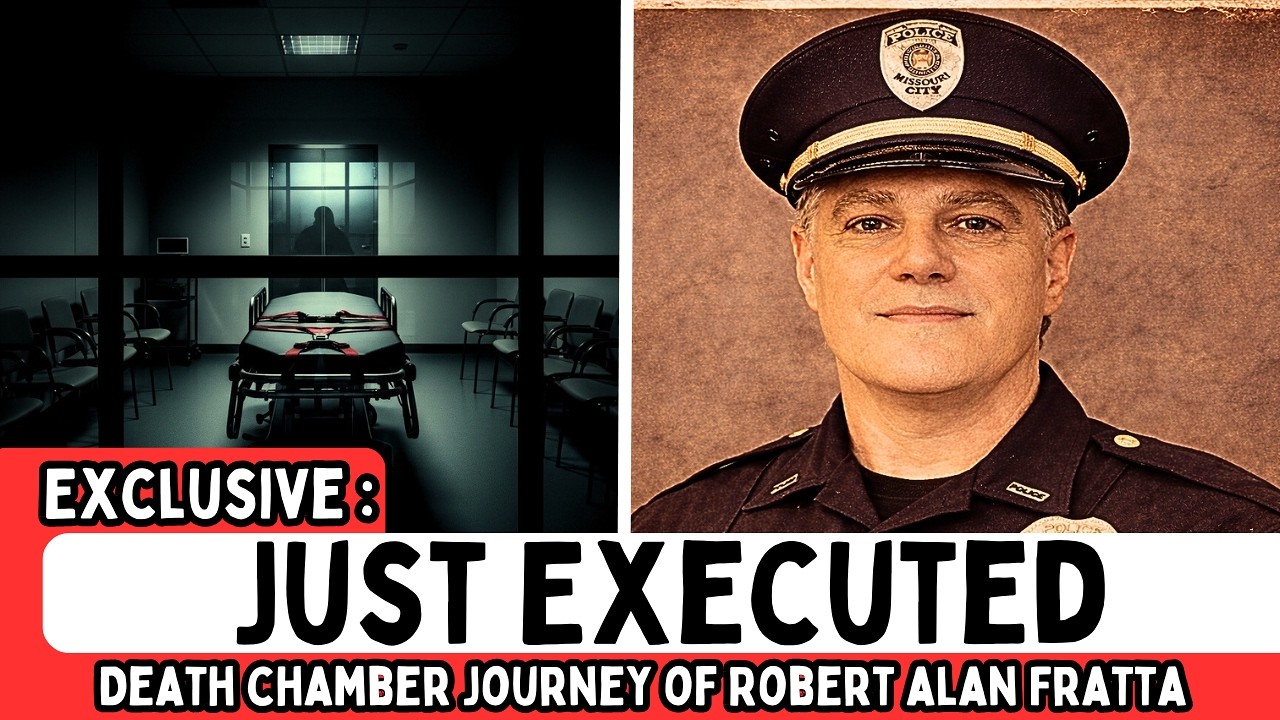 Fratta, who maintained his innocence throughout the years, chose not to make a final statement before his execution at the state prison in Huntsville. His claims of innocence date back to the night of Farah’s tragic death, when he was reportedly at church with their children while she was shot twice in their garage. This detail would play a crucial role in the lengthy legal battle that followed.
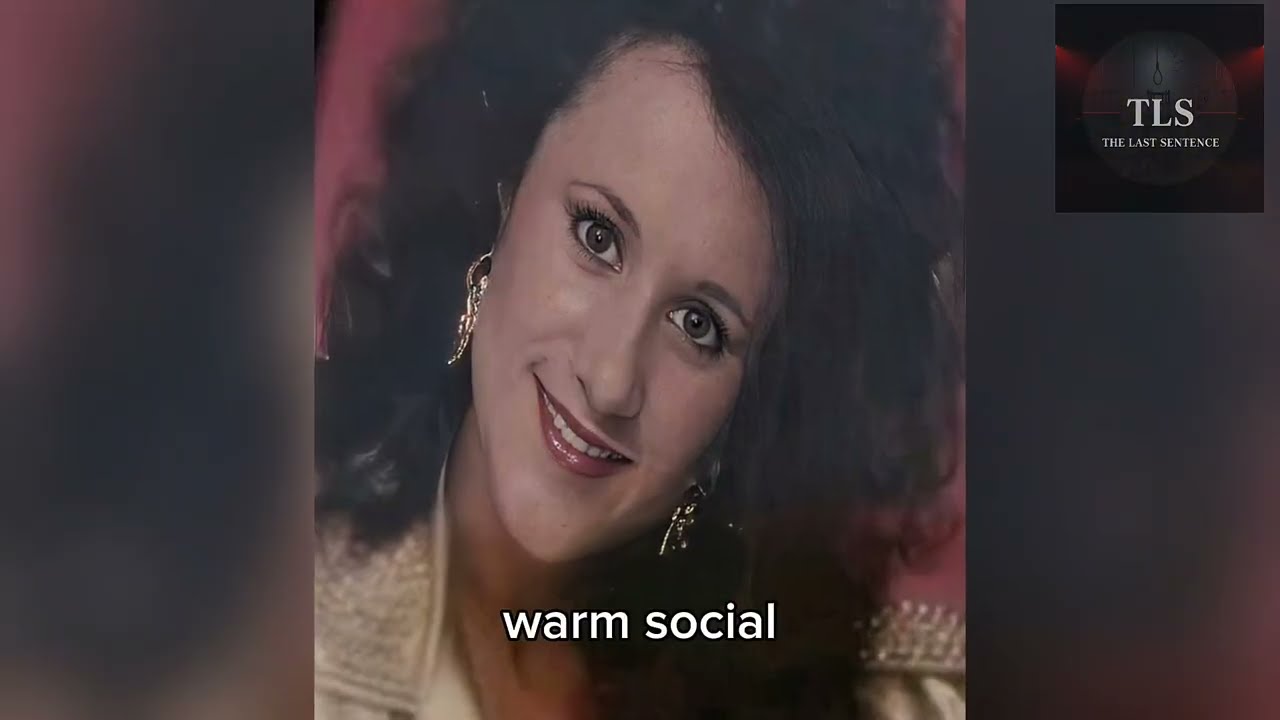
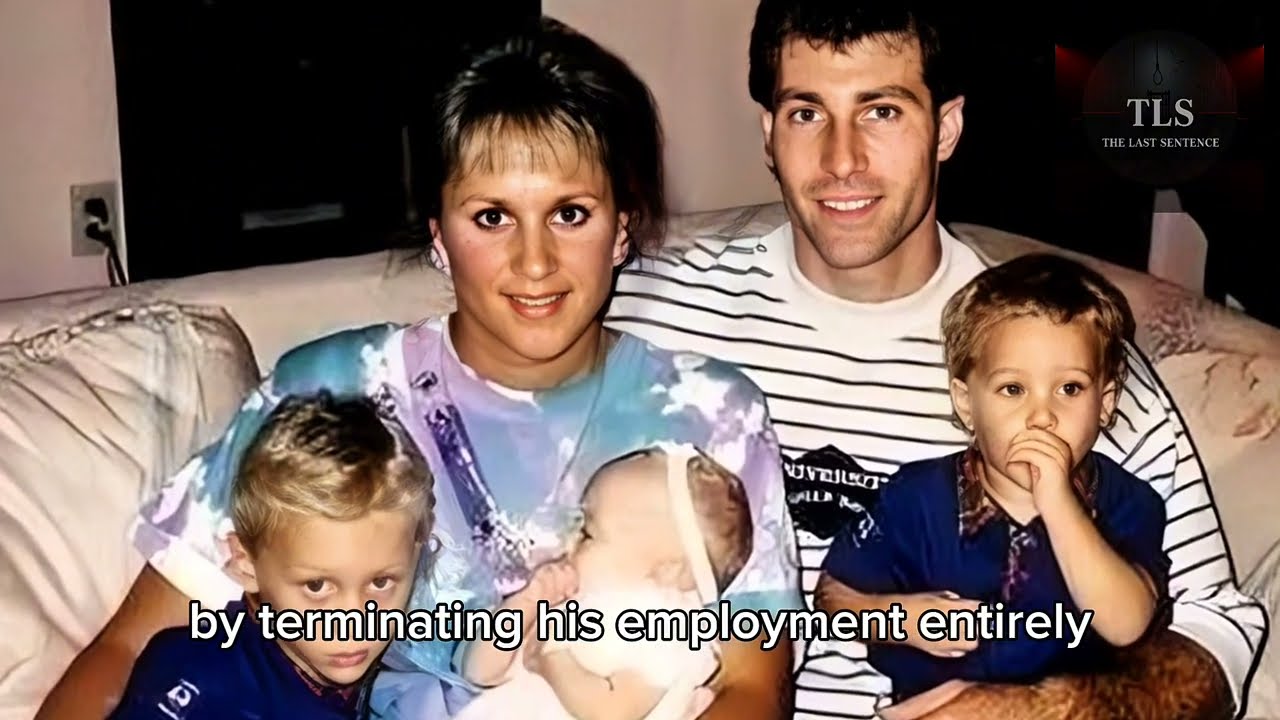
Farah Fratta Baugher, born on August 5, 1961, in Surrey, England, was known for her warmth and sociability. After moving to the U.S. and working at American Airlines, she met Robert, a fellow ticket agent, and they married on May 7, 1983. Their seemingly perfect family life, which included three children, unraveled when Farah filed for divorce in March 1992. A custody trial was set for November 1994, but Farah would never see that day.
Robert Fratta, born on February 22, 1957, was a public safety officer with a troubling past, including a suspension for sexual harassment. As his marriage deteriorated, he allegedly began seeking help to arrange Farah’s murder, openly discussing his intentions with acquaintances at the gym and elsewhere. According to court documents, he believed that by speaking about it, he could create an alibi that would protect him if anything happened to her.
In the months leading up to the murder, Farah had even called 911 after encountering a masked intruder in her home. Despite warnings from law enforcement, Robert’s behavior became increasingly suspicious. On November 9, 1994, after a family dinner, he took their children to church while Farah returned home, where she was fatally shot.
Witnesses reported seeing a man fleeing the scene, and the investigation quickly turned its focus on Robert. Despite his alibi, investigators found his behavior odd, especially when he arrived at the hospital with cash in his glove compartment. In the days following Farah’s death, Robert attempted to file a life insurance claim, which raised further suspicions.
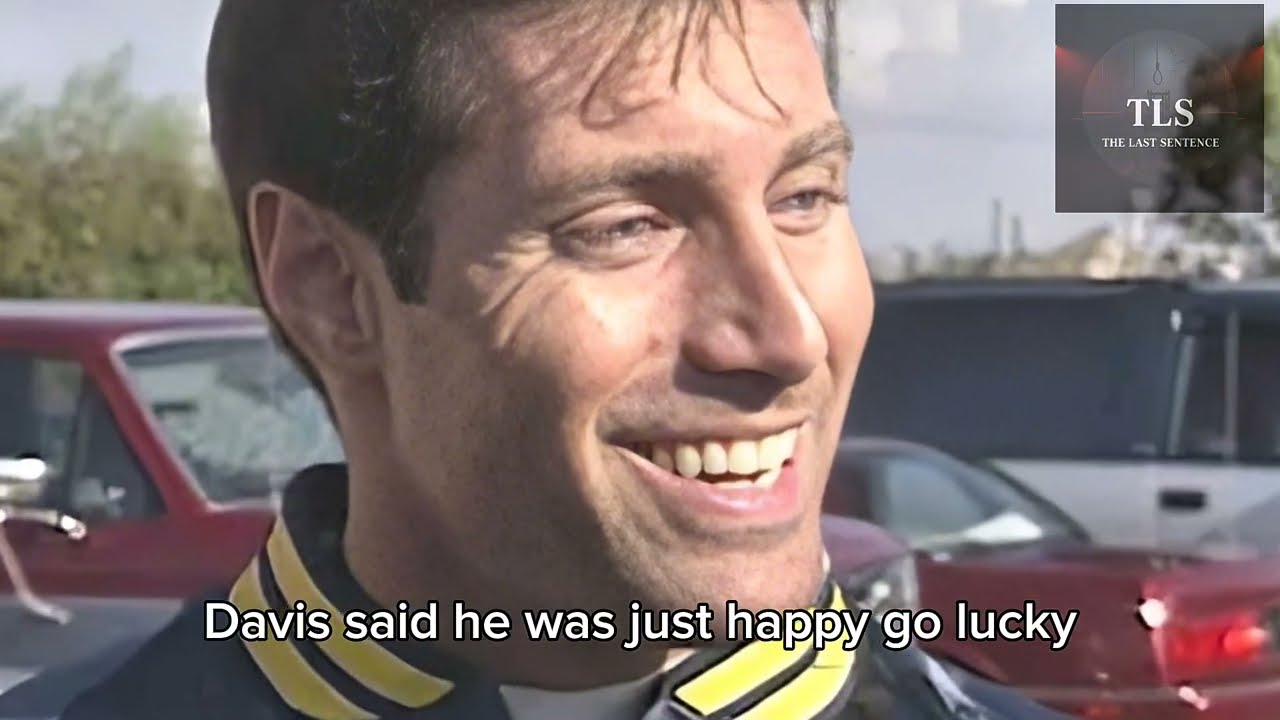
The investigation took a significant turn when Howard Paul Guidry was arrested for a bank robbery and found in possession of the murder weapon, a .38 caliber revolver registered to Robert. This evidence, coupled with witness testimonies, ultimately led to Robert’s arrest in June 1995, along with his accomplices.
After a lengthy legal process, Robert was convicted of capital murder and sentenced to death in 1996. However, his conviction was overturned in 2007 due to legal technicalities, leading to a retrial in 2009. Again found guilty, he was sentenced to death once more, maintaining his innocence until the end.
As Fratta faced execution, his final moments were marked by silence. Behind the glass, his son Bradley and other family members watched, but he did not acknowledge them. His execution marked the end of a long and painful saga that began with Farah’s untimely death.
Farah’s legacy lives on through her children, who were raised by their grandparents after her death. The life insurance policy Robert sought was never paid to him, instead benefiting Farah’s family. As the dust settles on this tragic case, one must wonder: what lessons can be learned from the failures of justice that allowed this story to unfold?