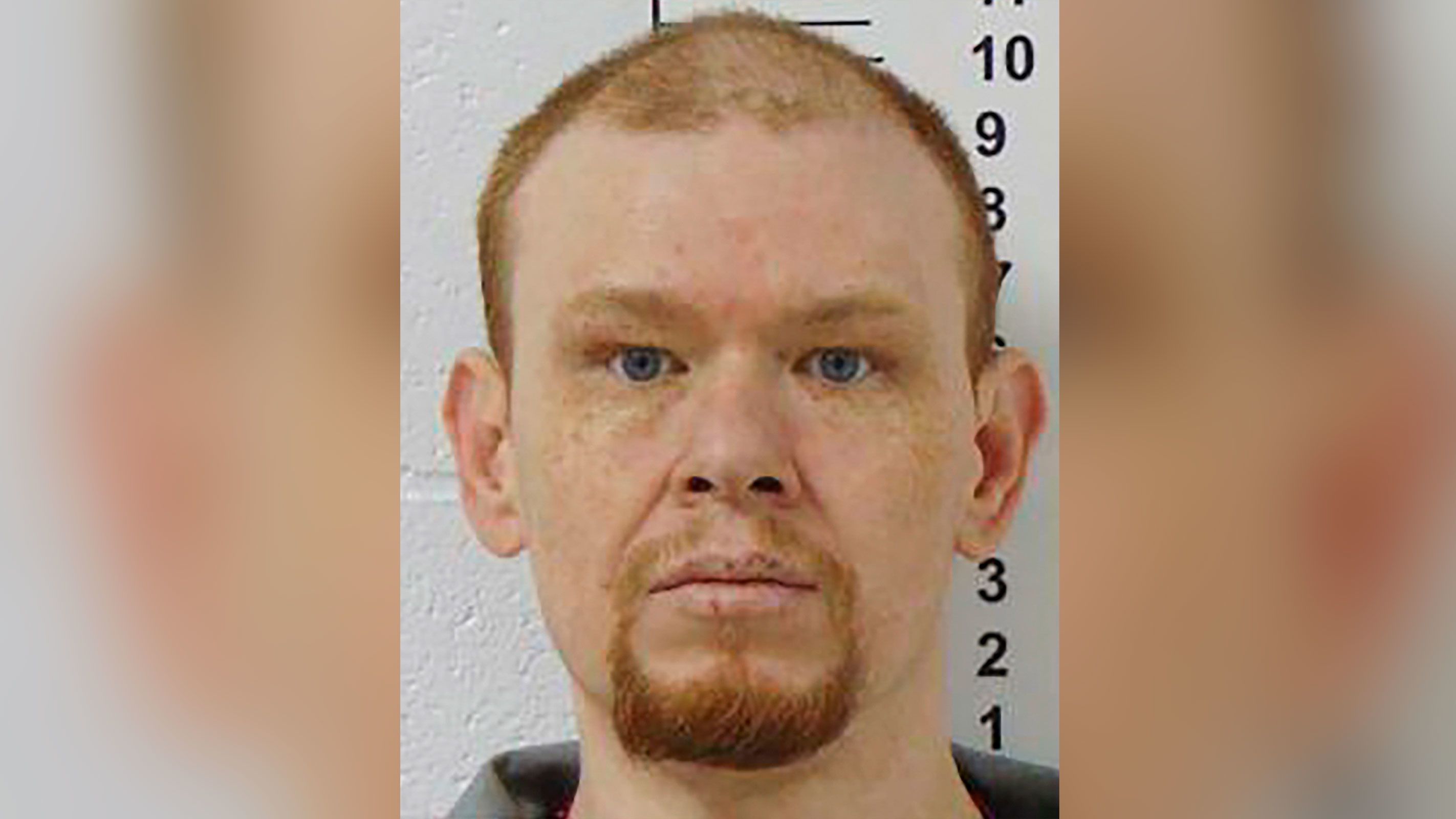
In a gripping turn of events, Jeffrey Lee’s execution was unexpectedly halted just hours before it was set to take place, sparking a national conversation about justice, mercy, and the complexities of the death penalty. As Alabama’s legal system grappled with the implications of a federal ruling, the fate of a man who has spent over 26 years on death row hung in the balance.
 On June 11, 2026, as the clock ticked down, the U.S. Supreme Court was faced with a critical decision regarding Alabama’s controversial method of execution. A federal judge had deemed the planned method unconstitutional just two days prior, leaving the state scrambling to determine whether they could proceed. With the governor and attorney general adamant about carrying out the execution, the stakes were incredibly high.
Jeffrey Lee, now 49, has spent more than half his life behind bars, a journey marked by a tragic past that began with a violent childhood and led to a robbery gone horribly wrong in 1998. During that fateful day, two lives were lost in a pawn shop, and Lee, who admitted his involvement, has since become a figure of controversy. Despite a jury’s recommendation for life imprisonment, a judge overruled their decision, sentencing him to death under a now-abolished judicial override practice.

As protests erupted outside the Holman Correctional Facility in Atmore, Alabama, advocates for clemency gathered, highlighting the complexity of Lee’s case. Many argued that the man who walked into that pawn shop was not the same person who has spent decades mentoring fellow inmates and leading a Christian ministry program. His transformation inside prison walls has raised questions about redemption and the potential for change.

While the clock struck 6:00 PM, then 7:00 PM, and still no ruling came from the Supreme Court, the tension was palpable. Hours passed, and as the death warrant approached its expiration, the nation watched closely. Finally, at 8:10 PM, the court ruled against Alabama’s request to proceed with the execution, leaving the state to reassess its next steps.

In the aftermath, Alabama’s Attorney General expressed disappointment, vowing to continue seeking justice for the victims, while Lee’s supporters celebrated a temporary reprieve. Yet, the legal battle is far from over. The state quickly filed a new motion to execute Lee by lethal injection, a method he had previously opted out of in favor of a method that was never implemented
As the debate continues, the questions surrounding Lee’s case remain unresolved. What does justice truly require in a situation where the legal system itself has acknowledged its flaws? The story of Jeffrey Lee is not just about one man’s fate; it reflects the broader implications of a justice system grappling with its past and present. What do you think should happen next?