There was a time when a guest spot on The Ed Sullivan Show could catapult an unknown performer into stardom. Yet, for some, that very stage became a trapdoor, leading to unexpected exits and career shifts that would echo through entertainment history. Let’s explore the unforgettable moments when the spotlight turned into a final bow.
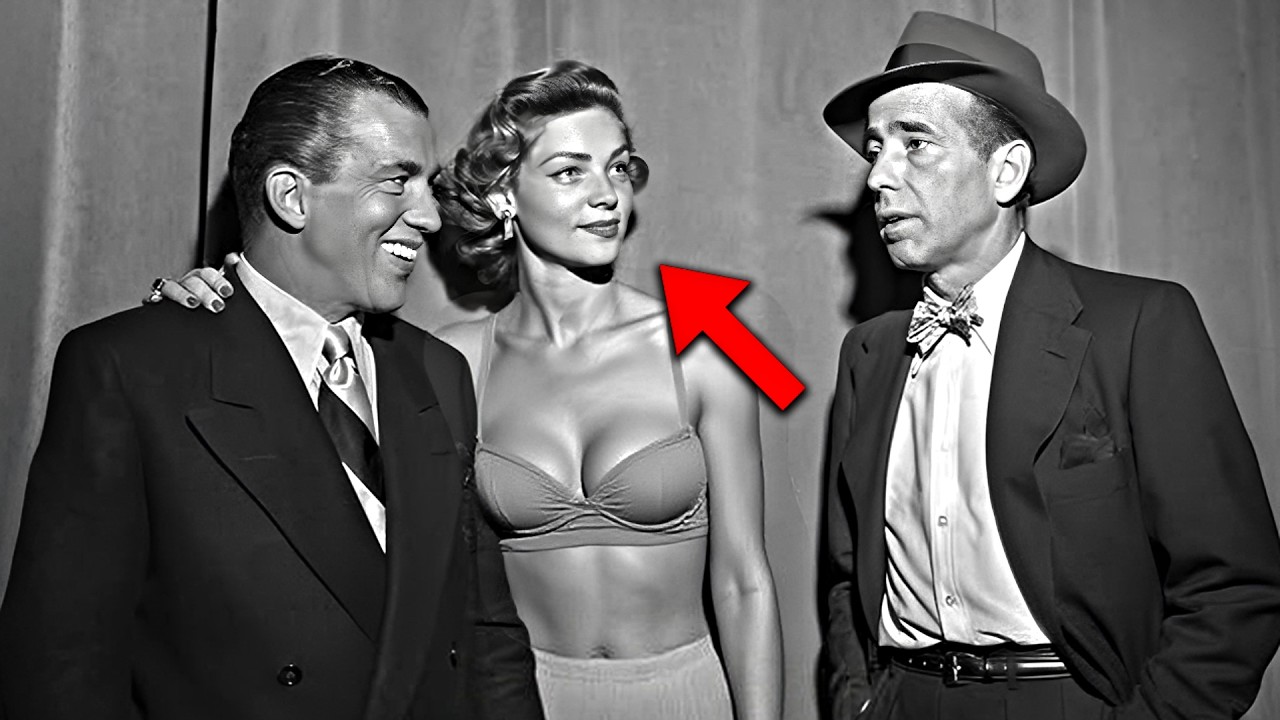 Josephine Baker was already a global sensation when she graced the Ed Sullivan stage in 1963. Known for her bold performances and vibrant presence, Baker had faced a complicated journey in America. Despite her fame in Europe, where she was celebrated for her artistry, she encountered resistance back home due to her expressive style, which many deemed too provocative. When she returned to American television, the environment was still rigid, with strict guidelines dictating how performers should present themselves. Reports suggest that her appearance was toned down significantly, stripping away the theatrical flair that made her a star abroad. Instead of being embraced as a regular guest, Baker’s performance was treated more as a singular cultural moment, reflecting the ongoing struggle for acceptance faced by artists who defied the norms.
Fast forward to the early 1960s, and comedian Jackie Mason found himself in a similar predicament. His unique stand-up style, characterized by rapid-fire delivery and personal observations, earned him a coveted spot on Sullivan’s show. However, during his 1964 performance, a seemingly innocuous gesture turned into a career-altering moment. Mason allegedly made a hand gesture that Sullivan interpreted as disrespectful, prompting the host to cut his performance short. The abrupt end left viewers bewildered, and Mason was never invited back, effectively sidelining him from one of the most powerful platforms in television.
 The Ed Sullivan Show continued to be a battleground for artistic expression when The Rolling Stones arrived on the scene. As they prepared to perform their hit “Let’s Spend the Night Together,” producers insisted on altering the lyrics to make them more palatable for family viewing. The band complied, but Mick Jagger’s exaggerated delivery of the revised line hinted at the tension between their rock identity and the show’s stringent standards. While they avoided a ban, their relationship with Sullivan’s program shifted, signaling the ongoing clash between emerging rock culture and traditional television expectations.
Then came The Doors, whose performance in the late 1960s would become legendary for all the wrong reasons. Known for their intense sound and Jim Morrison’s unpredictable stage presence, the band faced a pivotal moment when they were asked to change a controversial lyric in their hit “Light My Fire.” Morrison chose to defy the request, singing the original line live. The decision shocked producers and led to their exclusion from future appearances, underscoring the growing divide between rock music’s raw authenticity and the controlled environment of television.

Before these iconic acts, Elvis Presley had already stirred controversy with his electrifying performances. His energetic style, particularly his hip movements, raised eyebrows among television executives. When he finally appeared on Sullivan’s show, producers strategically framed the cameras to minimize his more provocative movements. Despite the adjustments, Elvis’s performances captivated audiences and marked a turning point in how television approached controversial artists, blending popularity with the need for control.
 Bob Dylan, a voice of a generation, faced his own battle with censorship. Invited to perform on the Ed Sullivan Show, he was asked to alter the lyrics of his politically charged song “Talkin’ John Birch Paranoid Blues.” Dylan’s refusal to compromise led to a backstage walkout, leaving a noticeable gap in the lineup and effectively ending his chance to reach millions through the show. This moment highlighted the tension between artistic integrity and the demands of mainstream media.
These stories reveal a fascinating chapter in television history, where the clash of artistic expression and broadcast standards shaped the careers of some of the most influential performers. As we reflect on these moments, one question lingers: how have the boundaries of artistic expression evolved in today’s entertainment landscape?