What if I told you that one of the most beloved comedies in British television history almost never came to be? The iconic Basil Fawlty, with his over-the-top antics and outrageous rudeness, was inspired by a real-life hotelier whose behavior was so 𝓈𝒽𝓸𝒸𝓀𝒾𝓃𝑔 that it left a lasting mark on comedy.
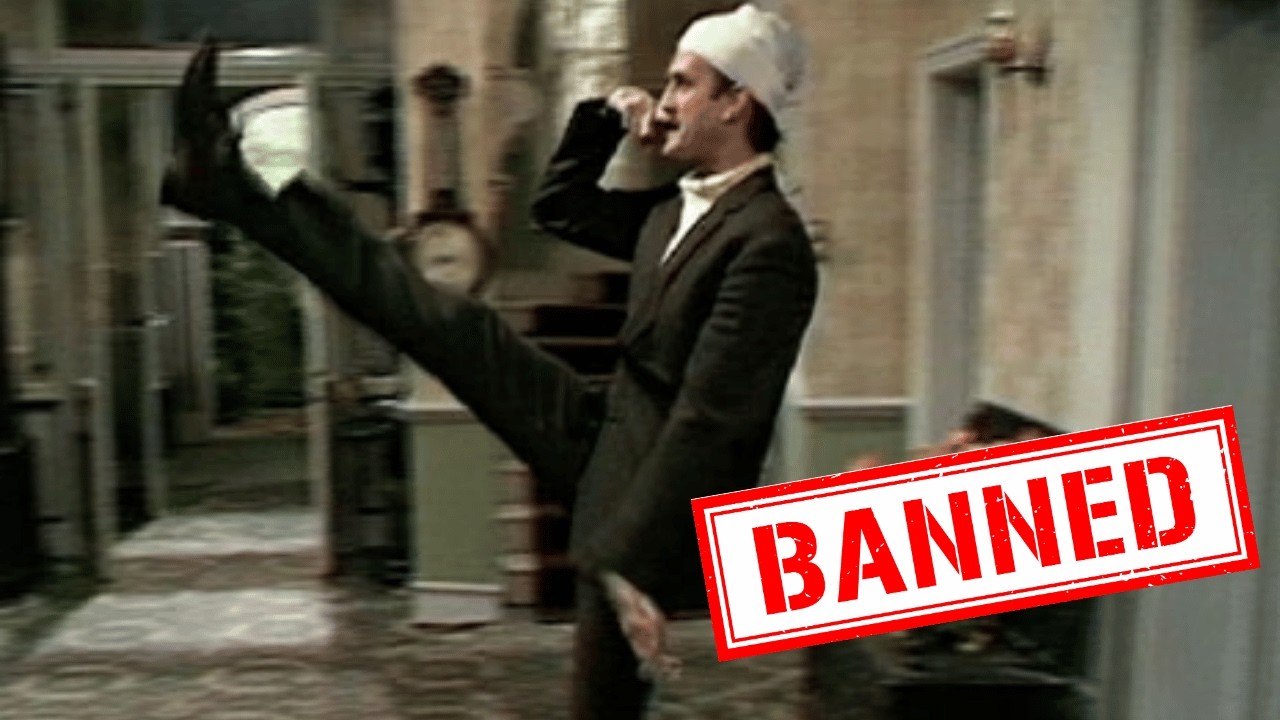 The story begins in 1970 when John Cleese and the Monty Python team found themselves in Torquay, Devon, filming on location. They stayed at a hotel called the Gleneagles, run by the notoriously rude Donald Sinclair. Sinclair’s treatment of guests was nothing short of appalling; he was known to insult them directly and even threw a briefcase out, suspecting it contained a bomb. While the rest of the Monty Python crew checked out after just one night, Cleese remained captivated, taking mental notes on Sinclair’s every snide remark. It was from this real-life experience that Basil Fawlty was born, a character who would go on to become a cultural phenomenon.
The setting of Fawlty Towers is no coincidence. Torquay, where the Gleneagles once stood, serves as the backdrop for the show, embodying the same faded elegance and disarray. Though the original hotel has since been demolished, it once attracted tourists eager to connect with the series. Sinclair, however, always denied being the inspiration for Basil, despite the striking similarities.
Co-created by Cleese and his then-wife Connie Booth, the show features Booth as Polly, the sensible chambermaid trying to keep the chaos at bay. The dynamic between the couple adds a layer of intrigue, especially since they were divorced by the time they filmed the second series in 1979. Their ability to collaborate so effectively after their separation raises questions about their creative partnership versus their personal relationship.
Fawlty Towers is remarkable for its brevity, consisting of just 12 episodes across two series. This tight-knit collection of comedy defies modern television trends, where shows often stretch for seasons on end. Cleese and Booth recognized the show’s completeness and chose to walk away at the peak of its success, a decision that has only amplified its legendary status over the years.

Despite not being an instant hit when it first aired in 1975, Fawlty Towers gradually gained recognition, ultimately being hailed as the greatest British TV program of all time. This slow burn of appreciation demonstrates that sometimes, brilliance takes time to resonate with audiences.
One of the most memorable scenes involves Basil’s infamous breakdown over his car, a specific 1967 Austin 1100. This meticulous attention to detail underscores the show’s craftsmanship, with every element, including props, carefully chosen for comedic effect.
The episode titled “The Germans,” featuring Basil’s frantic attempts to avoid mentioning World War II, is perhaps the most iconic. Yet, it faced controversy in recent years, leading to its temporary removal from streaming platforms due to offensive language. Cleese defended the episode, emphasizing that the Major’s character was meant to be ridiculed, not celebrated.

Behind the scenes, the cast endured physical comedy that sometimes resulted in real injuries, particularly Andrew Sachs, who played Manuel. Sachs’s portrayal of the bumbling waiter became an enduring symbol of the show, even after his passing in 2016.
Prunella Scales, who portrayed Sybil Fawlty, created one of television’s most memorable female characters. Her sharp wit and commanding presence made her a formidable counterpart to Basil, and her legacy continues to resonate, especially following her recent passing.
Fawlty Towers has transcended its original format, with adaptations for the stage and even a potential reboot in development, though reactions have been mixed. Cleese’s announcement of a new series featuring Basil and a secret daughter sparked both excitement and skepticism among fans.

The series has not only left an indelible mark on comedy but is also studied in film schools worldwide for its masterful construction and timing. Its clever writing and character dynamics continue to inspire new generations of comedians and writers.
As we celebrate the legacy of Fawlty Towers, it’s clear that its blend of chaos, humor, and relatable frustration resonates deeply with audiences. The show serves as a reminder of the absurdity of life, capturing our shared experiences of dealing with the unexpected.
So, what do you think makes Fawlty Towers such a timeless classic? Share your thoughts below!


