In a haunting culmination of justice, Danny Paul Bible, known as the “ice pick killer,” faced his execution on June 27, 2018, at 6:32 p.m. in Huntsville, Texas. As the lethal drugs flowed through his veins, his chilling last words echoed in the chamber: “It’s burning. It hurts.”
 At 66, Bible was a frail figure, confined to a wheelchair and battling Parkinson’s disease. But beneath his fragile exterior lay a history of terror that spanned nearly two decades, leaving a trail of victims across multiple states. His reign of violence began in 1979 when he murdered 20-year-old Inz Deon, a crime that haunted Houston detectives for years before they could connect it to him.
The case went cold, with no witnesses or leads, and Bible continued his spree. In May 1983, he committed a horrific act in Weatherford, Texas, where he brutally murdered his sister-in-law, her infant son, and a roommate, disposing of their bodies like trash. Despite being arrested in early 1984, he was only convicted for one murder and sentenced to 25 years, serving just seven before being released on parole.
This premature freedom allowed Bible to continue his violent ways, drifting through Texas, Louisiana, and Montana, where he committed further heinous acts, including the rape of an 11-year-old girl and assaults on his own nieces. His crimes escalated until 1998, when he attacked Terara Robinson in Louisiana. Unlike many of his previous victims, Robinson survived and bravely reported the assault, leading to Bible’s arrest.
 During interrogation, Bible confessed to multiple murders, including the long-unsolved case of Inz Deon and the triple homicide from 1983. His confessions shocked investigators and connected decades of violence to a single name. In 2003, he was tried for Deon’s murder, and the jury heard the full extent of his crimes, ultimately sentencing him to death.
Fast forward to 2018, and Bible’s health had significantly deteriorated. His attorneys argued that executing him would be cruel and unusual punishment, citing concerns about the potential for a botched procedure. They proposed alternative methods, but Texas prosecutors dismissed these claims, insisting that Bible’s health issues were exaggerated.

As the execution date approached, appeals were filed, reaching as high as the U.S. Supreme Court, but all efforts to halt the execution were denied. On that fateful evening, Bible was served a standard meal, as Texas had eliminated special last meal requests. Witnesses, including victims’ families and media representatives, gathered to witness the end of a man whose actions had caused immeasurable pain.
When Bible was wheeled into the chamber, the atmosphere was tense. The execution team successfully secured IV lines in a matter of minutes, despite concerns about his health. When asked if he had any final words, Bible simply replied, “No, sir,” leaving behind a silence that spoke volumes.
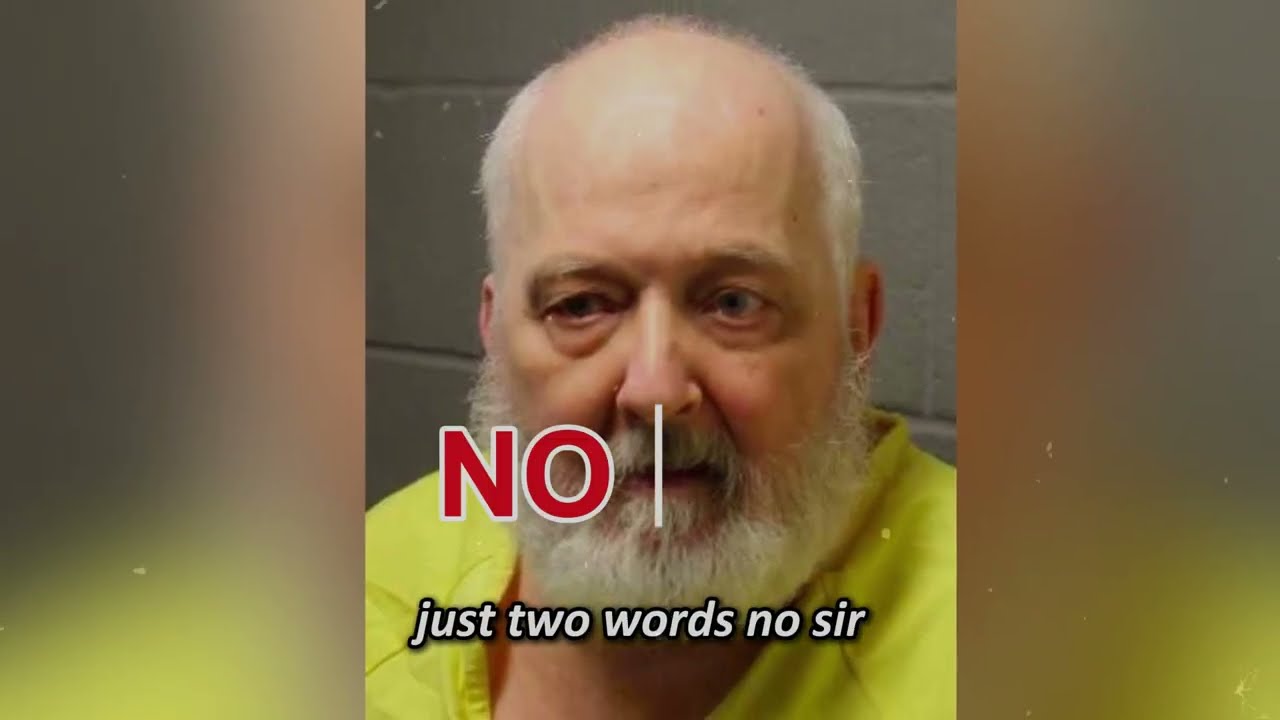
As the drugs took effect, Bible’s demeanor changed dramatically. His final words, “It’s burning. It hurts,” lingered in the air, a stark reminder of the suffering he had inflicted on others. Witnesses observed as his body finally lay still, marking the end of a notorious chapter in Texas criminal history.
Larry Lance, brother of one of Bible’s victims, expressed a sense of relief, stating, “Danny Paul Bible is as vile and evil a person as has ever drawn breath. We are glad to have witnessed him draw his last breath.” Meanwhile, Bible’s family departed in silence, their grief unshared with the world.
As the dust settled on this execution, questions arose about the justice system and the implications of releasing violent offenders too early. How many lives could have been spared if Danny Bible had served his full sentence? The story of the ice pick killer serves as a chilling reminder of the complexities surrounding justice and the lasting impact of one individual’s actions.