Elon Musk’s Net Worth Nears $400 Billion Amid Market Volatility and Tesla’s High-Stakes Recovery
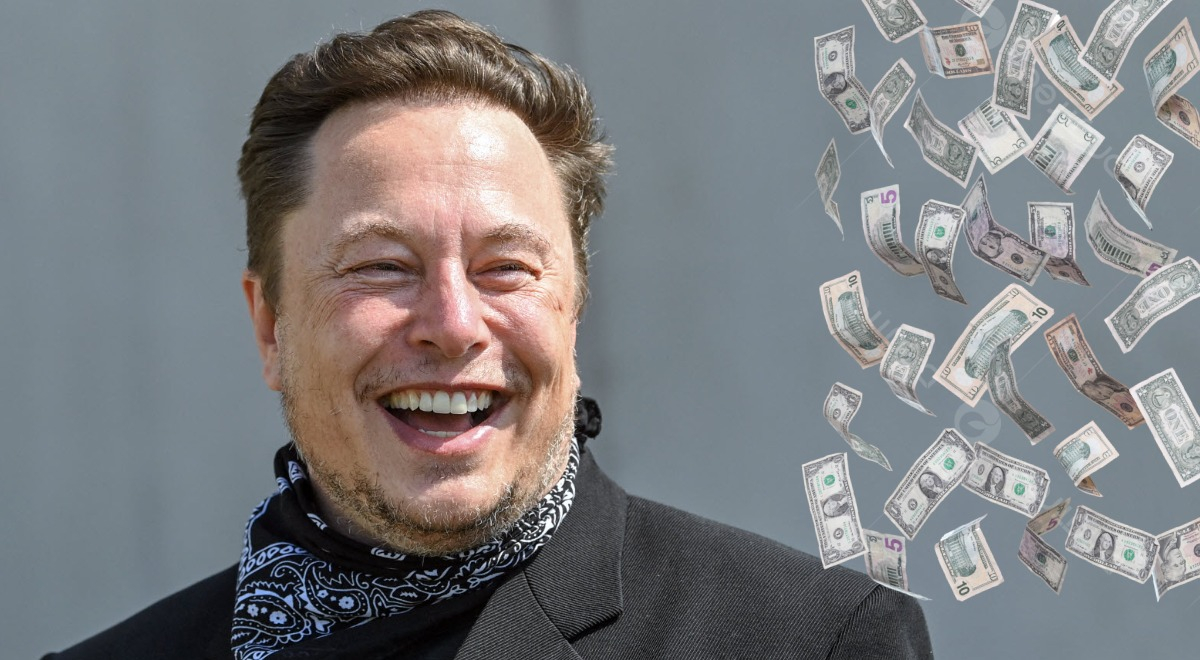
Elon Musk’s wealth has surged once again, with estimates placing his net worth near the $400 billion mark—around $381 billion according to Bloomberg—reaffirming his position as the world’s richest individual despite ongoing political controversy, consumer backlash, and uneven business performance across his empire.
The latest rebound highlights a familiar pattern in Musk’s financial trajectory: sharp volatility driven by Tesla’s stock performance and the expanding influence of his broader tech ecosystem.
Tesla’s Stock Rally Fuels the Comeback
At the center of Musk’s renewed wealth growth is Tesla’s unexpected market rebound. Shares of the electric vehicle maker have surged roughly 44% over the past month, significantly outperforming broader market indices during the same period.
Despite this short-term rally, Tesla’s year-to-date performance remains negative, and the company continues to face pressure from global competition, shifting consumer demand, and slowing delivery growth.
Recent figures show:
- 1.789 million vehicles delivered in 2024 (a year-over-year decline)
- 336,681 vehicles delivered in Q1 of the current year (down 13% YoY)
- Increasing competitive pressure in Europe and China
The mixed performance underscores a key reality: Tesla’s valuation remains highly sensitive to market sentiment and growth expectations rather than purely operational stability.
Global Headwinds and Market Pushback
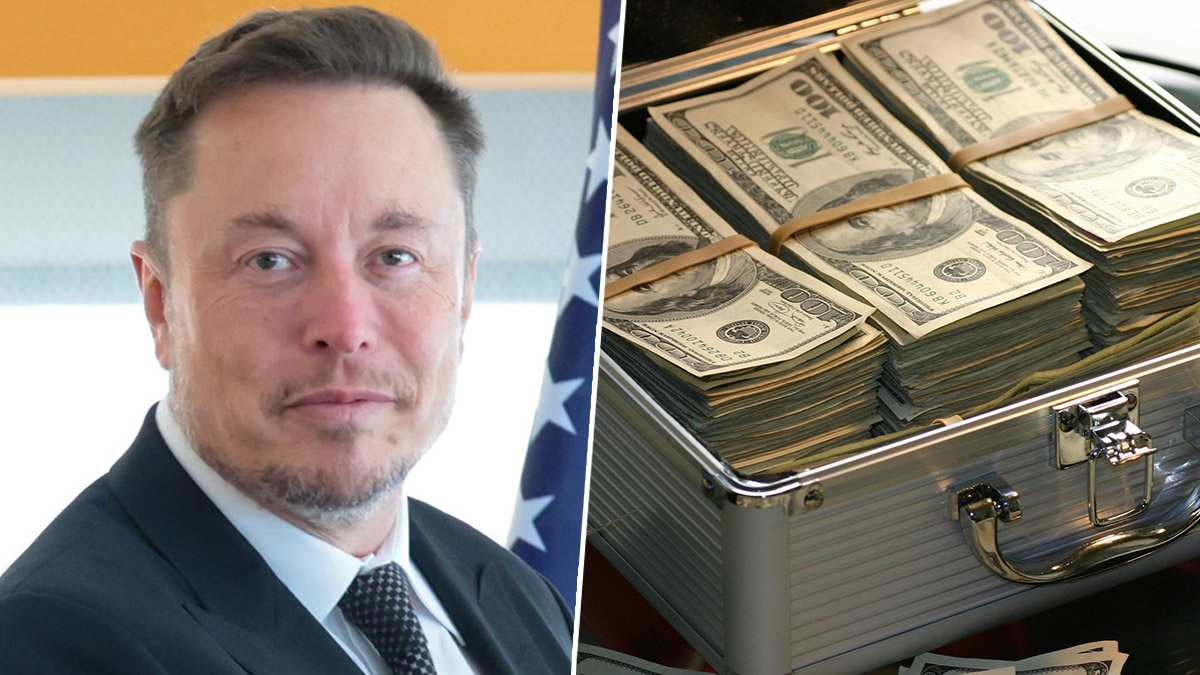
Tesla’s challenges are not limited to financial metrics. The company has reportedly faced increased consumer resistance in certain international markets, particularly in Europe, where political sentiment and brand perception have influenced purchasing behavior.
In China, the world’s largest EV market, Tesla is facing intensifying competition from domestic manufacturers such as BYD, which continue to expand market share through aggressive pricing and rapid product innovation.
These dynamics have raised questions among analysts about Tesla’s long-term positioning in the global EV race, even as its stock continues to recover in the short term.
SpaceX and Starlink: The Hidden Wealth Engine
While Tesla remains the most visible component of Musk’s fortune, SpaceX has become an increasingly dominant factor in his overall valuation.
The aerospace company holds a strong position in:
- U.S. government launch contracts
- NASA crewed and cargo missions
- Commercial satellite deployment
- Defense-related logistics support
Alongside SpaceX, Starlink continues to expand as a global satellite internet network, playing a growing role in both commercial connectivity and geopolitical infrastructure.
Together, these ventures provide Musk with a diversified foundation of high-value assets that extend far beyond the automotive industry.
Why Musk’s Wealth Defies Traditional Market Logic
Musk’s financial position illustrates a broader phenomenon in modern markets: billionaire wealth tied to high-growth, high-volatility tech ecosystems can expand rapidly even amid operational challenges.
Key drivers include:
- Heavy reliance on equity-based compensation and ownership stakes
- Market expectations of future dominance in AI, space, and energy
- Investor confidence in long-term disruption rather than short-term results
As a result, Musk’s net worth often moves in tandem with investor sentiment rather than immediate business fundamentals.
A Polarizing Figure in a High-Stakes Economy
Despite public criticism, political controversy, and ongoing debate over Tesla’s performance, Musk remains one of the most influential figures in global markets.
His portfolio—spanning electric vehicles, aerospace, artificial intelligence, and satellite communications—positions him at the center of several critical future industries.
Whether viewed as a visionary builder or a volatile market force, Musk’s financial resurgence once again reflects the same pattern: extreme turbulence paired with equally extreme growth potential in the modern tech economy.