Las Vegas Police Deploy First Cybertruck Fleet After Mystery Donation Sparks Debate on EVs in Law Enforcement

The Las Vegas Metropolitan Police Department has introduced what is being described as the world’s first Tesla Cybertruck police fleet, following the donation of 10 units from an anonymous benefactor.
The rollout marks a rare moment where one of the most controversial electric vehicles in recent years has been directly integrated into public law enforcement operations.
A Mystery Donation That Changed the Fleet
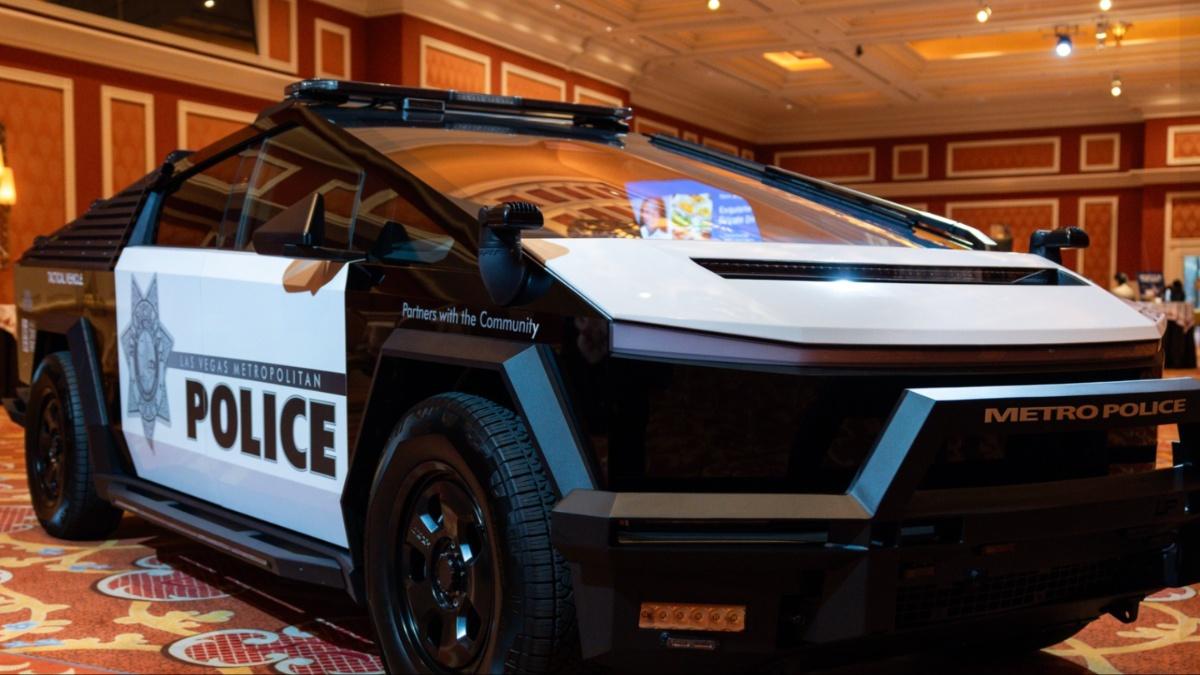
According to reports, the Cybertrucks were donated to the department after a series of high-profile incidents involving the vehicle earlier in 2025 brought renewed public attention to the model.
While the identity of the donor has not been disclosed, the gift included 10 Tesla Cybertrucks designated for conversion into fully operational police units.
The vehicles were later processed through Unplugged Performance’s UP.FIT division, a company specializing in transforming Tesla vehicles for law enforcement use.
Built for Patrol, Modified for Police Work
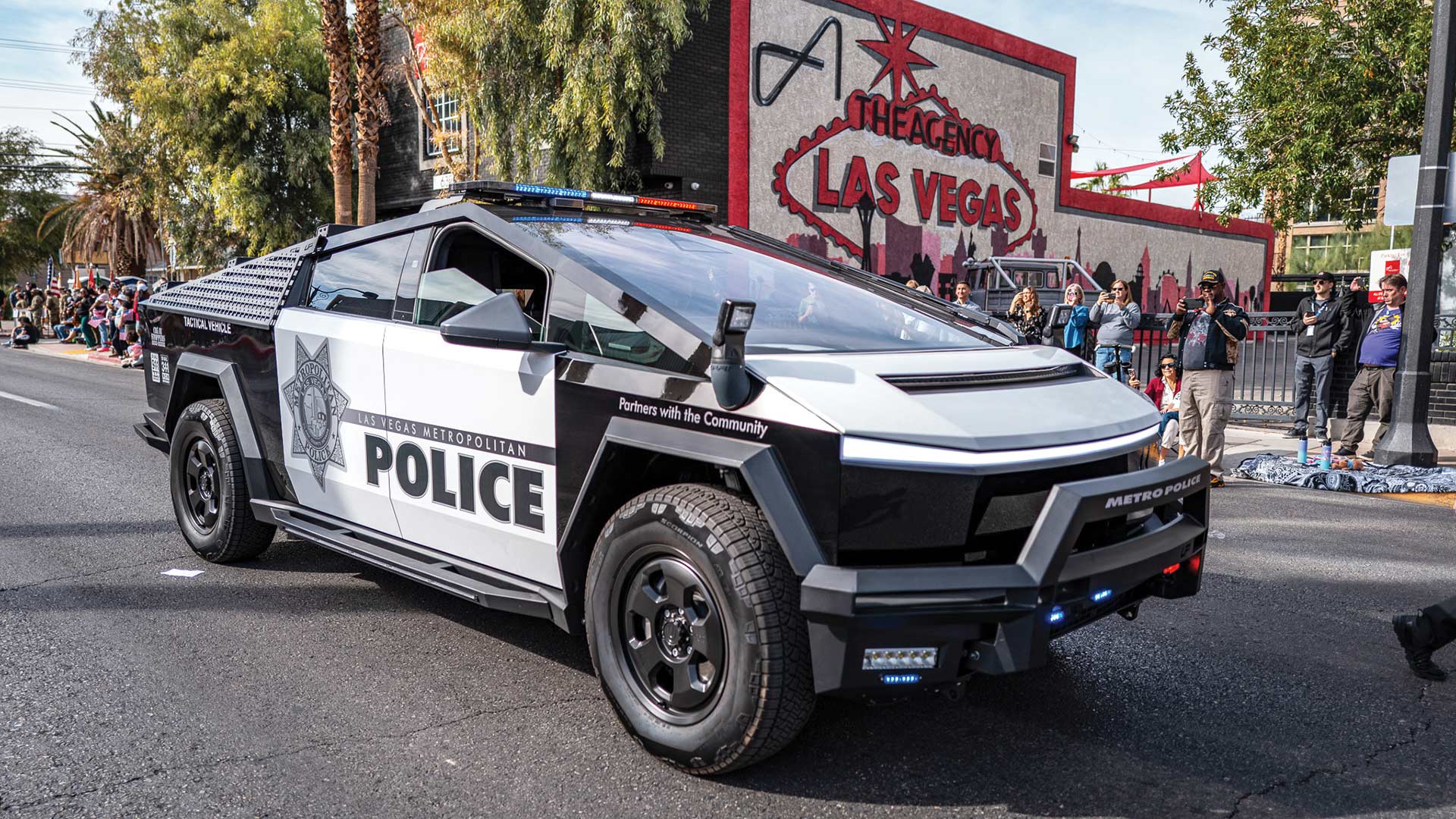
The Cybertrucks were upgraded with a full suite of police-specific equipment, including:
- Emergency lighting and communication systems
- Reinforced push bars and protective modifications
- Prisoner transport partitions
- Off-road enhancements such as rock sliders
- Pursuit-grade braking and suspension systems
Officials and industry partners suggest the goal is to create durable, high-performance patrol vehicles capable of operating in both urban and rugged environments.
Cost Efficiency and Long-Term Savings
Supporters of the initiative point to potential cost advantages over traditional gas-powered police vehicles.
Estimates suggest that over a five-year operational lifespan, each Cybertruck could reduce costs significantly through:
- Lower fuel expenses (estimated savings up to $12,000 per vehicle)
- Reduced maintenance costs associated with electric drivetrains
- Overall lifecycle savings approaching $50,000 per unit
These figures are part of a broader push by law enforcement agencies to explore electric vehicle integration as operating costs continue to rise.
A Vehicle That Divides Opinion
The Cybertruck itself remains one of Tesla’s most polarizing products. First unveiled with significant global attention, including a now-famous demonstration where its “armor glass” famously failed during a live presentation, the vehicle has since been both praised for its design and criticized for delays and production challenges.
Despite strong expectations at launch, its real-world market adoption has been more limited than Tesla initially projected.
Police Innovation or Publicity Experiment?
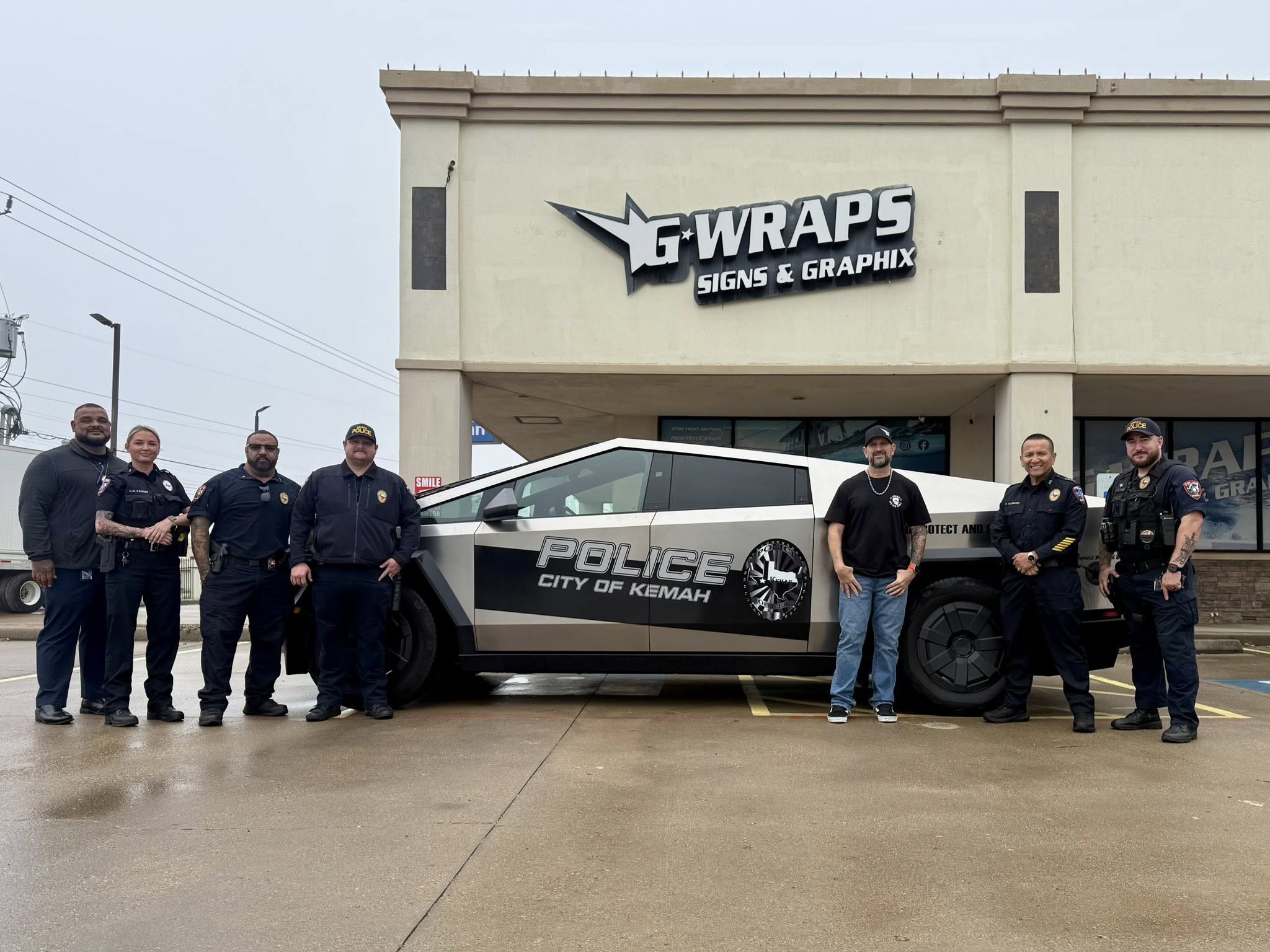
The introduction of Cybertrucks into active police duty has sparked mixed reactions.
Supporters argue the fleet represents:
- A step toward modernization of public safety vehicles
- Improved efficiency through electrification
- Advanced technology integration for law enforcement
Critics, however, question whether the deployment is more symbolic than practical, pointing to concerns over cost justification, operational reliability, and the suitability of futuristic vehicle designs for policing needs.
A Sign of Where Public Safety Vehicles Are Headed
Regardless of the debate, the Las Vegas deployment reflects a broader trend: police departments across the U.S. are increasingly exploring electric and tech-heavy vehicles as part of long-term fleet modernization strategies.
Whether the Cybertruck becomes a model for future law enforcement fleets or remains a high-profile experiment, its arrival in active service signals a new phase in the intersection of automotive innovation and public safety infrastructure.