In a haunting culmination of a 35-year journey through the justice system, Harold Wayne Nichols was executed in Tennessee this morning. Nichols, a convicted serial rapist and murderer, received the death penalty for the brutal 1988 murder of 20-year-old Karen Pooly, a college student whose life was tragically cut short
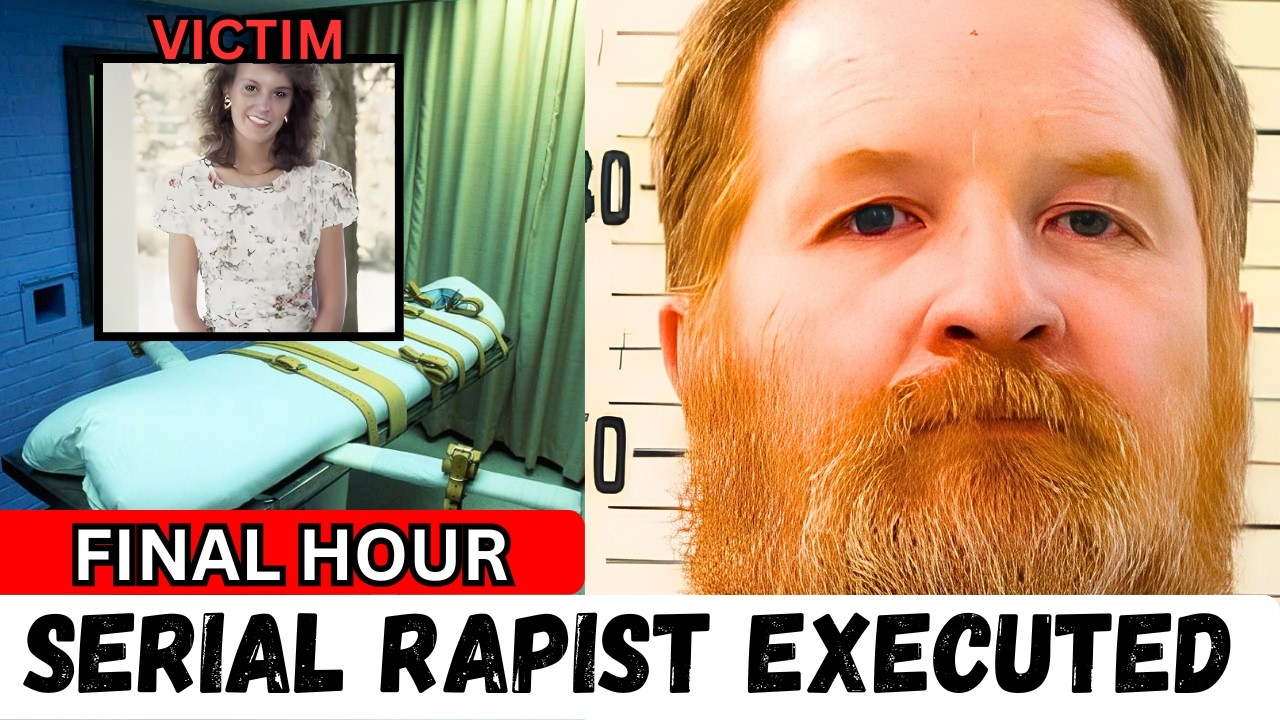 Karen Pooly, a vibrant young woman with dreams of becoming a paralegal, was just beginning her adult life when she was attacked in her own bedroom in Chattanooga. Described by loved ones as bubbly and selfless, she had recently completed Bible school and was looking forward to a bright future. But on the night of September 30, 1988, her world was shattered by Nichols, who had been lurking outside her apartment before breaking in.
Nichols had a long history of violence and had been previously arrested for similar crimes. Despite being evaluated and released twice by the justice system, he continued to pose a threat. Court documents reveal that he confessed to the heinous crime without hesitation, stating, “No,” when asked if he would have stopped on his own.

The execution took place at Riverbend Maximum Security Institution in Nashville, where Nichols faced lethal injection. As the curtains opened at 10:25 a.m., he was accompanied by a spiritual advisor, and they recited the 23rd Psalm together. Nichols expressed remorse in his final moments, saying, “To the people I’ve harmed, I’m sorry. To my family, know that I love you. I know where I’m going. I’m ready to go home.”

Karen’s family, who had been waiting for justice for decades, were not present for the execution. Her parents, Ann and Chuck Pooly, had passed away, carrying the burden of their daughter’s loss without witnessing the final chapter of this tragic story. In a poignant twist, Ann had previously visited Nichols in prison, offering him forgiveness not for his sake, but for her own peace.

The case of Harold Wayne Nichols raises profound questions about justice, redemption, and the complexities of the human experience. As we reflect on this heart-wrenching narrative, one must wonder: what does true justice look like in the face of such deep tragedy