The Colosseum in Rome, built in AD 70–80 as a monumental amphitheatre, has a complex underground network beneath its arena called the hypogeum, which was added shortly after its opening. This subterranean system of tunnels and chambers once housed gladiators, wild animals, equipment, and staging mechanisms that made the spectacles above possible.
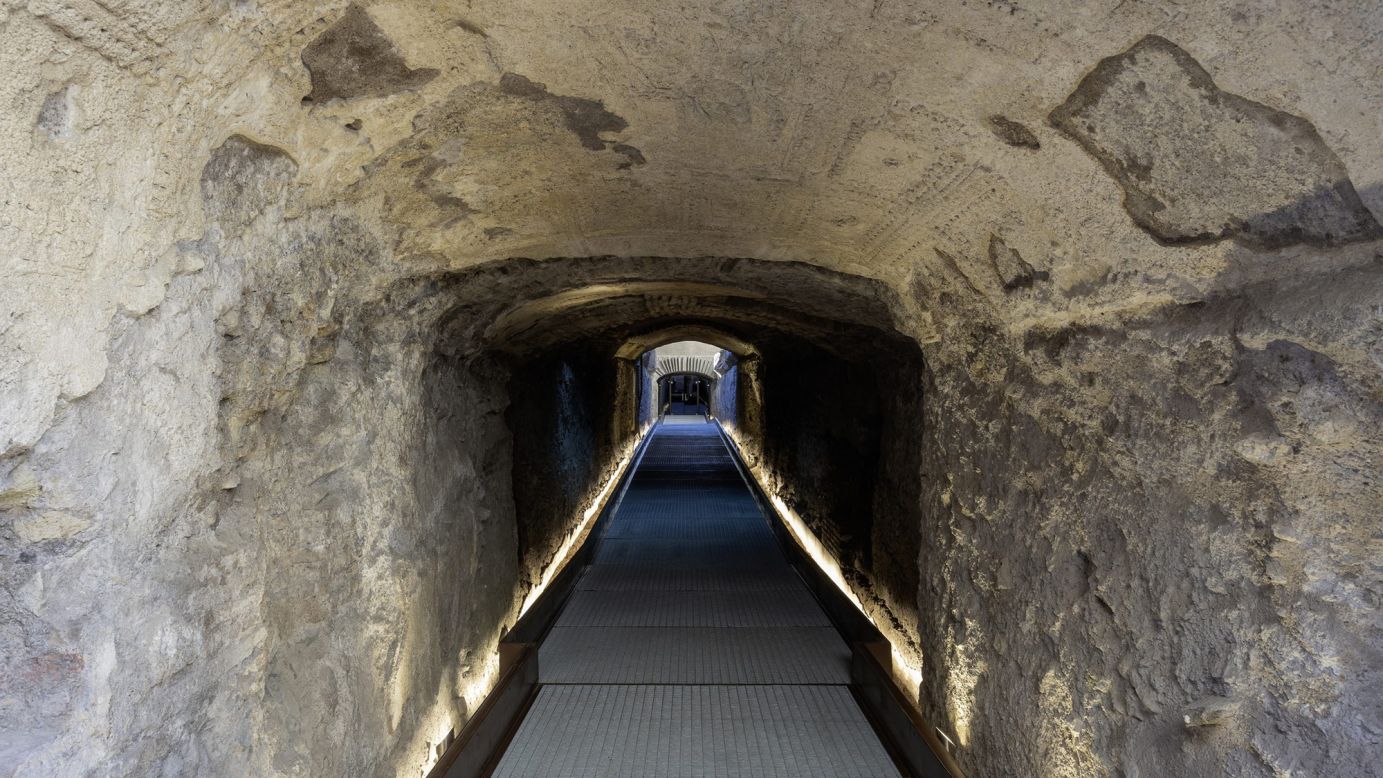
For centuries, the hypogeum remained largely concealed beneath rubble and later used as habitation or left in ruin, but modern restoration and archaeological work have gradually opened much of it to researchers and visitors. The space includes two levels of corridors, holding rooms, and vertical shafts that supported wooden elevators and trapdoors used during games.
Rather than “ritual symbols Rome tried to erase,” the archaeological evidence in the hypogeum mainly reflects the practical engineering and logistics of the Roman entertainment complex. Archaeologists have documented stone inscriptions, animal bones, and architectural details that illustrate how the system operated as the backstage world of the arena.
There are known hidden passages and corridors — such as the Commodus Passage, a tunnel used historically by emperors to enter the arena unseen — which have been restored and opened to the public, helping scholars and visitors better understand imperial use of the structure.

The idea of a sealed chamber with forbidden carvings predating the Empire comes from modern online videos rather than archaeological publications; reliable sources emphasize that most underground structures uncovered so far relate to Roman engineering and use during gladiatorial games and related activities, not suppressed ritual spaces.
Studies of the hypogeum and related underground areas continue to provide insight into the social, cultural, and technological aspects of ancient Rome, from staging public spectacles to the organization of labor and hierarchical control within the Empire.
In summary, while parts of the Colosseum’s underground remain mysterious and ongoing research may reveal new details, the verified archaeological record shows engineered tunnels, staging areas, and passages linked to the operations of the arena — not hidden ritual chambers erased from official history.