In northern Iraq, researchers recently uncovered a small stone object engraved with symbols that do not correspond to any known Mesopotamian or regional writing system. The artifact was excavated during a routine dig near Erbil, within a site previously dated to the late 3rd millennium BCE, suggesting it is roughly 4,500 years old.
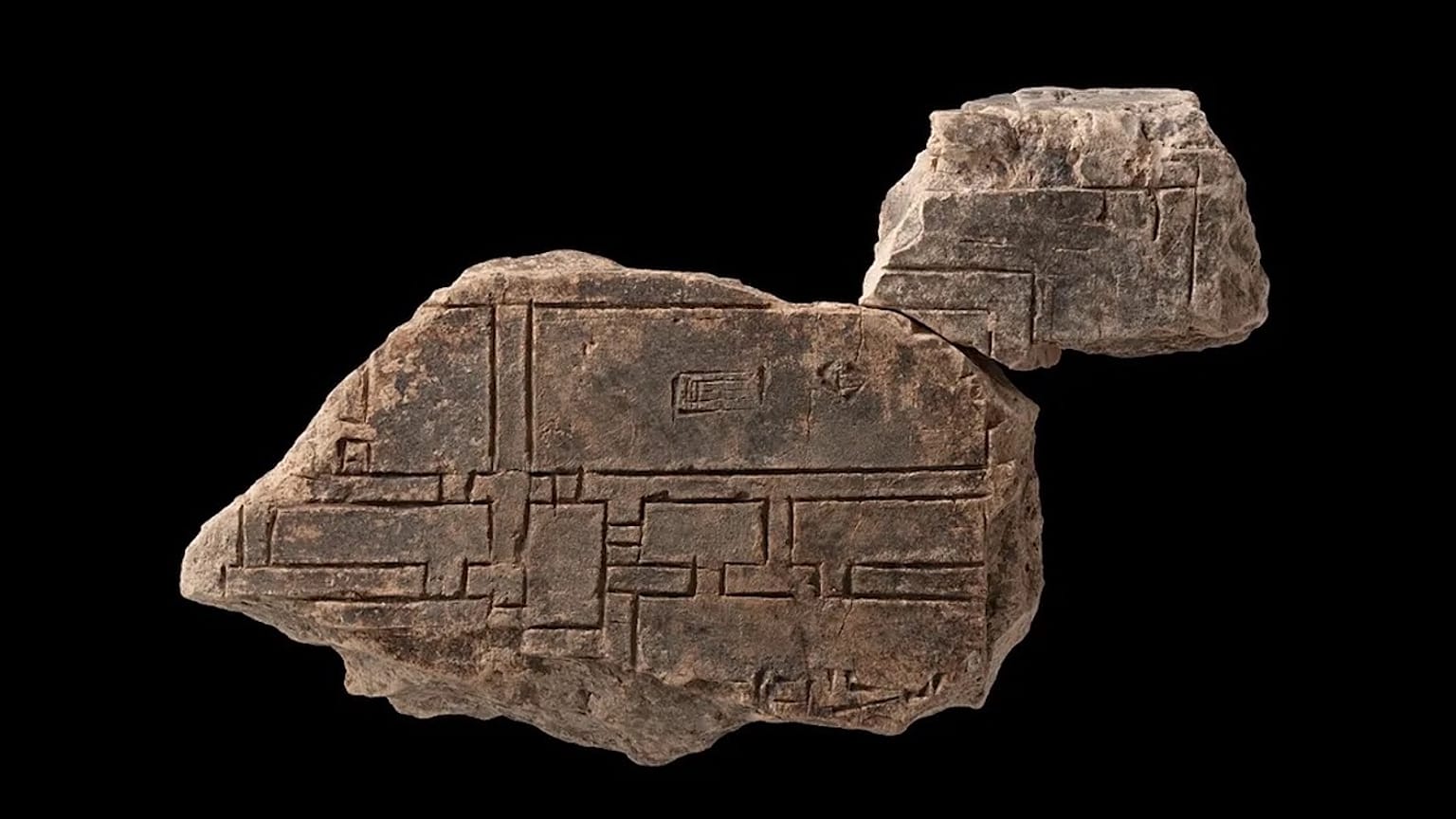
Experts are cautious in interpreting the markings. While they appear deliberate, no current decipherment links them to Sumerian cuneiform, Akkadian, or other early scripts of the area. Some archaeologists suggest the symbols could represent a local or previously undocumented system of proto-writing used for ritual or administrative purposes.
The object’s material is limestone, carefully shaped and polished, indicating it held special importance. Its unusual form and symbolic carvings suggest it may have been an amulet, a votive offering, or a ceremonial item rather than a functional tool.
Comparisons with other contemporaneous artifacts in Mesopotamia reveal no direct parallels, making the piece especially intriguing for understanding cultural diversity in the region. Researchers have noted subtle stylistic elements that hint at a symbolic or mnemonic function, though the exact meaning remains unknown.
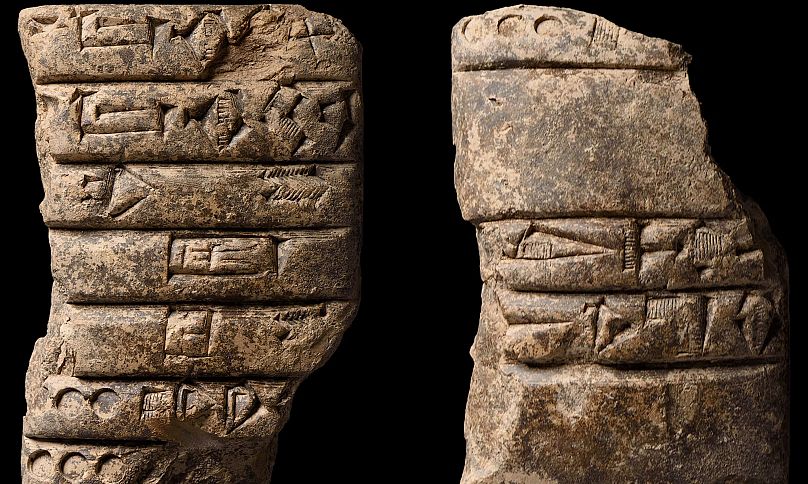
While some fringe theories propose connections to lost civilizations, mainstream scholarship emphasizes the need for caution. The artifact provides evidence of human creativity and symbolic thinking, even if its full context and significance are still under study.
Further analysis, including microscopic wear studies and chemical composition testing, is underway to determine how the object was used and whether the symbols were meant to convey linguistic content or purely symbolic meaning.
Ultimately, the discovery underscores the complexity of early Mesopotamian societies and reminds researchers that many aspects of prehistoric and early historic human life remain hidden, awaiting careful scientific exploration and interpretation.