When we think of “Star Wars,” we picture epic battles and iconic characters, but the journey to create this legendary franchise was filled with bizarre twists and near disasters. From questionable design choices to geopolitical tensions, the making of the 1977 classic was anything but smooth sailing.
 Before “Star Wars” became a multi-billion dollar phenomenon, it was just a low-budget sci-fi project that many expected to flop. George Lucas faced skepticism from friends and colleagues alike, who dismissed the script as silly. Despite the doubts, Lucas pushed forward, determined to bring his vision to life.
One of the most striking early designs was Chewbacca, who initially appeared as a lean, bluish-gray creature resembling a hairless lemur. Concept artist Ralph McQuarrie’s original vision was far from the lovable Wookiee we know today. Lucas ultimately opted for a shaggier, more animalistic look, inspired by his own dog. Interestingly, McQuarrie’s unused design later influenced the character Zeb Orrelios in “Star Wars Rebels.”
Filming in Tunisia presented its own challenges, particularly when the crew constructed a massive sandcrawler prop near the Libyan border. The Libyan military mistook it for a war machine, leading to a diplomatic scare that forced Lucas to relocate the set to avoid escalating tensions.
The iconic lightsaber wielded by Luke Skywalker was not the product of elaborate design. Instead, it was a makeshift creation crafted from spare parts found in a photography shop. Set decorator Roger Christian transformed old camera gear into a legendary weapon, proving that creativity can triumph over budget constraints.
As production wrapped, doubts loomed large. Many believed the film was destined for failure, but one studio executive, Alan Ladd Jr., recognized Lucas’s passion and fought to keep the project alive. His emotional response to a rough cut of the film ultimately saved it from being scrapped.
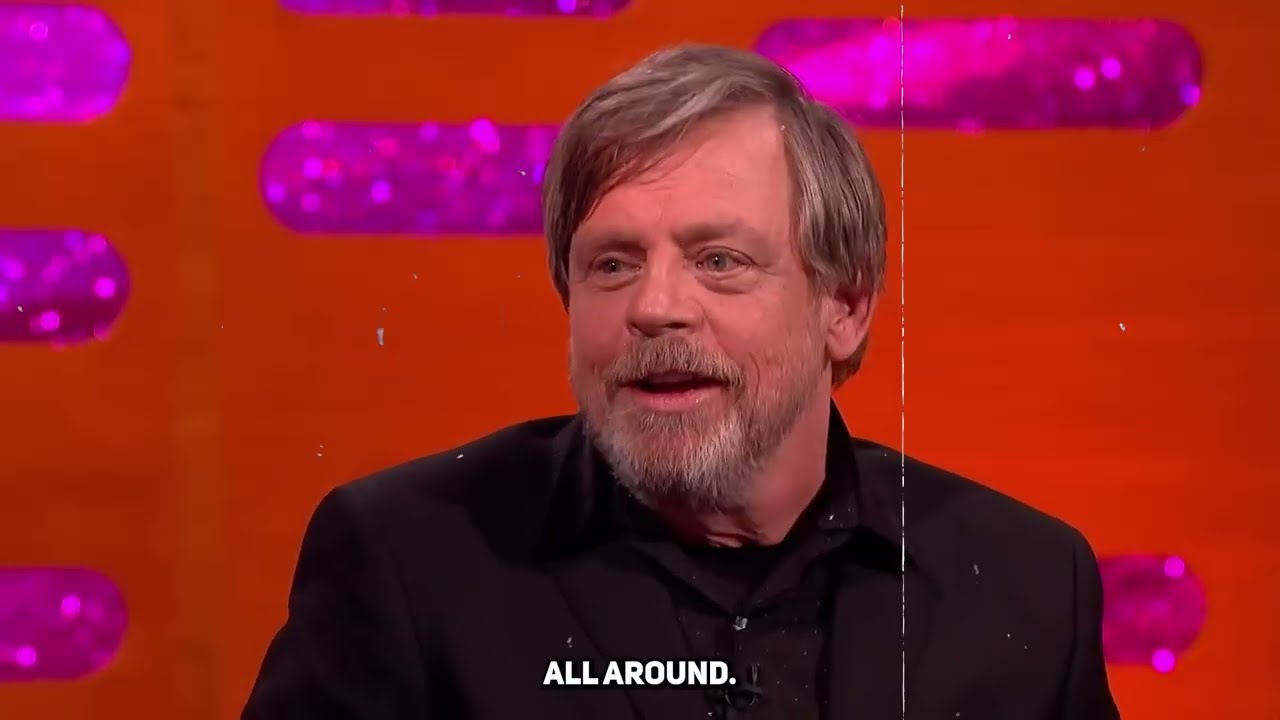
Filming the infamous trash compactor scene was a nightmare for the cast. The crew used real garbage mixed with stagnant water, creating a stench so foul that it caused health issues for the actors. Mark Hamill even suffered a burst blood vessel from holding his breath too long, while Peter Mayhew’s Chewbacca suit absorbed the putrid water, leading to a truly miserable filming experience.
Interestingly, the character of Yoda was almost portrayed by a trained chimpanzee. Lucas’s initial vision for the wise Jedi Master was abandoned after a crew member pointed out the impracticality of using a live animal on set. Instead, they opted for a masterful puppet created by Jim Henson’s team.
Editing was another hurdle, particularly for the climactic Death Star trench run. The original cut lacked tension and pacing, prompting Lucas to fire the initial editor and enlist his wife, Marcia Lucas. Her brilliant restructuring, aided by a disco soundtrack, transformed the sequence into one of cinema’s most thrilling moments.
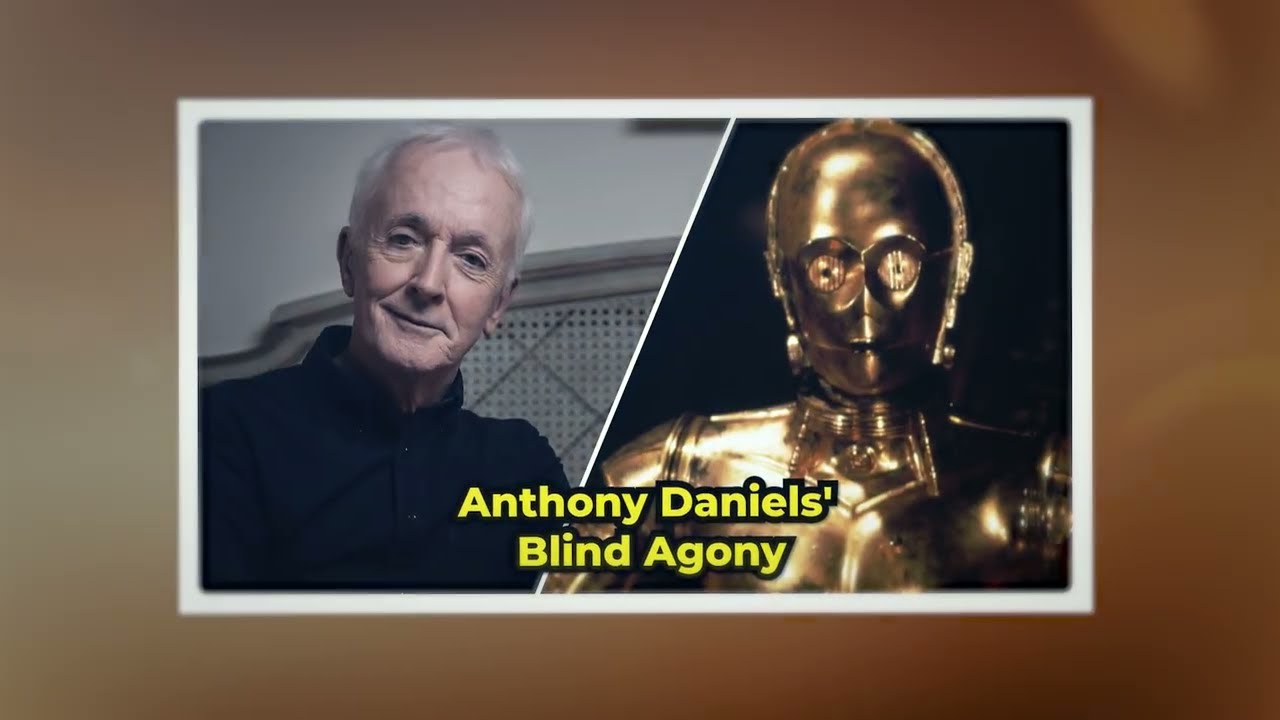
The physical toll on the cast was immense, especially for Anthony Daniels, who endured the discomfort of the C-3PO suit. The rigid costume left him nearly blind and isolated, forcing him to navigate the set in agony while bringing the beloved droid to life.
Sound design also played a crucial role in shaping the film’s iconic auditory landscape. The chilling roar of TIE fighters was created by blending the sounds of a baby elephant and a car driving on a wet road, showcasing the innovative approach to sound that defined the franchise.
James Earl Jones, the voice of Darth Vader, was notably uncredited in the original release. He chose to forgo credit out of respect for David Prowse, the actor in the suit, believing that his contribution was merely a minor post-production task.
As for the Death Star itself, it was built using a technique called kit bashing, where model makers glued together parts from various commercial kits. This intricate model required constant maintenance to keep dust from ruining its appearance on camera.
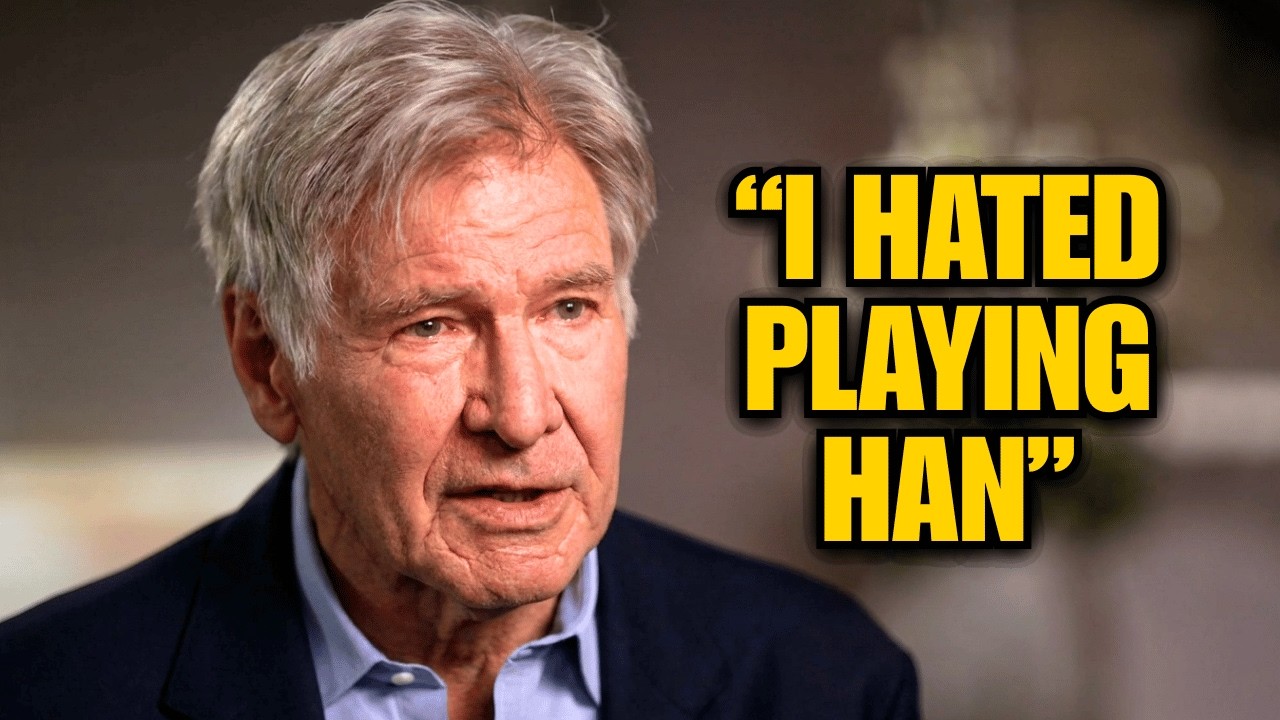
Harrison Ford’s journey to becoming Han Solo was a serendipitous one. Initially brought on as a reader for auditions, his sarcastic delivery won over Lucas, despite being paid a mere $1,000 a week during filming—a paltry sum for a lead role in a major film.
The film’s opening crawl was nearly a disaster, filled with dense political jargon that left audiences confused. After a critical intervention from Brian De Palma, Lucas streamlined the text, creating one of the most recognizable openings in film history.
Carrie Fisher faced her own challenges with her costume, as Lucas insisted on no traditional undergarments. This led to the use of gaffer tape to keep her dress in place, a solution that was as uncomfortable as it was creative.
The diverse aliens of the Mos Eisley Cantina were not all original creations; many were hastily assembled from off-the-shelf Halloween masks. This clever use of budget constraints added to the chaotic charm of the scene.

As production costs soared to $11 million, Lucas faced severe stress that impacted his health. A hospital visit revealed that he was suffering from exhaustion rather than a heart attack, but he remained determined to see his vision through.
Chewbacca’s voice was another innovative creation, crafted from a combination of animal sounds recorded by sound designer Ben Burtt. The unique vocalizations added depth to the character, making him one of the most beloved figures in the franchise.
Lucas’s early drafts of the script were a far cry from the final product, featuring a different protagonist and a less cohesive narrative. The film’s iconic structure emerged only after years of rewriting and refinement.
Interestingly, the phrase “May the Fourth be with you” originated not in the film industry but in British politics, marking a unique intersection of culture and celebration that fans now cherish.
In a friendly wager with Steven Spielberg, Lucas bet a percentage of “Star Wars” profits against “Close Encounters of the Third Kind,” a decision that would pay off handsomely for both directors in the years to come.
The making of “Star Wars” was a rollercoaster of creativity, chaos, and unexpected challenges. As we reflect on the film’s legacy, we can’t help but wonder what other hidden stories lie behind the scenes of our favorite cinematic masterpieces.

