Humberto Leal García was executed in Texas on July 7, 2011, for the 1994 murder of 16-year-old Adria Sauceda in San Antonio. Leal, a Mexican national who had lived in the United States since childhood, was convicted of capital murder and spent more than 16 years on death row before his sentence was carried out by lethal injection at the Huntsville Unit.

The case began after Sauceda left a street party with Leal. Her body was found hours later, and investigators built the criminal case around the evidence linking Leal to her final movements and the violent assault that led to her death. Prosecutors described the killing as a brutal sexual assault and murder, while the courts later upheld Leal’s conviction and death sentence through years of appeals.
Leal’s case became known not only for the crime, but also for the international dispute that surrounded his execution. Because he was a Mexican citizen, his attorneys argued that Texas authorities should have informed him after his arrest that he had the right to contact the Mexican consulate under the Vienna Convention on Consular Relations. That failure became the center of a major legal fight involving the Mexican government, U.S. diplomats and the Obama administration.
The U.S. Supreme Court rejected Leal’s final request for a stay of execution in a 5–4 decision on the same day he was put to death. The Court ruled that it could not delay a lawful state judgment based on proposed federal legislation that Congress had not yet passed, even as the Obama administration warned that the execution could damage U.S. treaty obligations and affect Americans detained overseas.
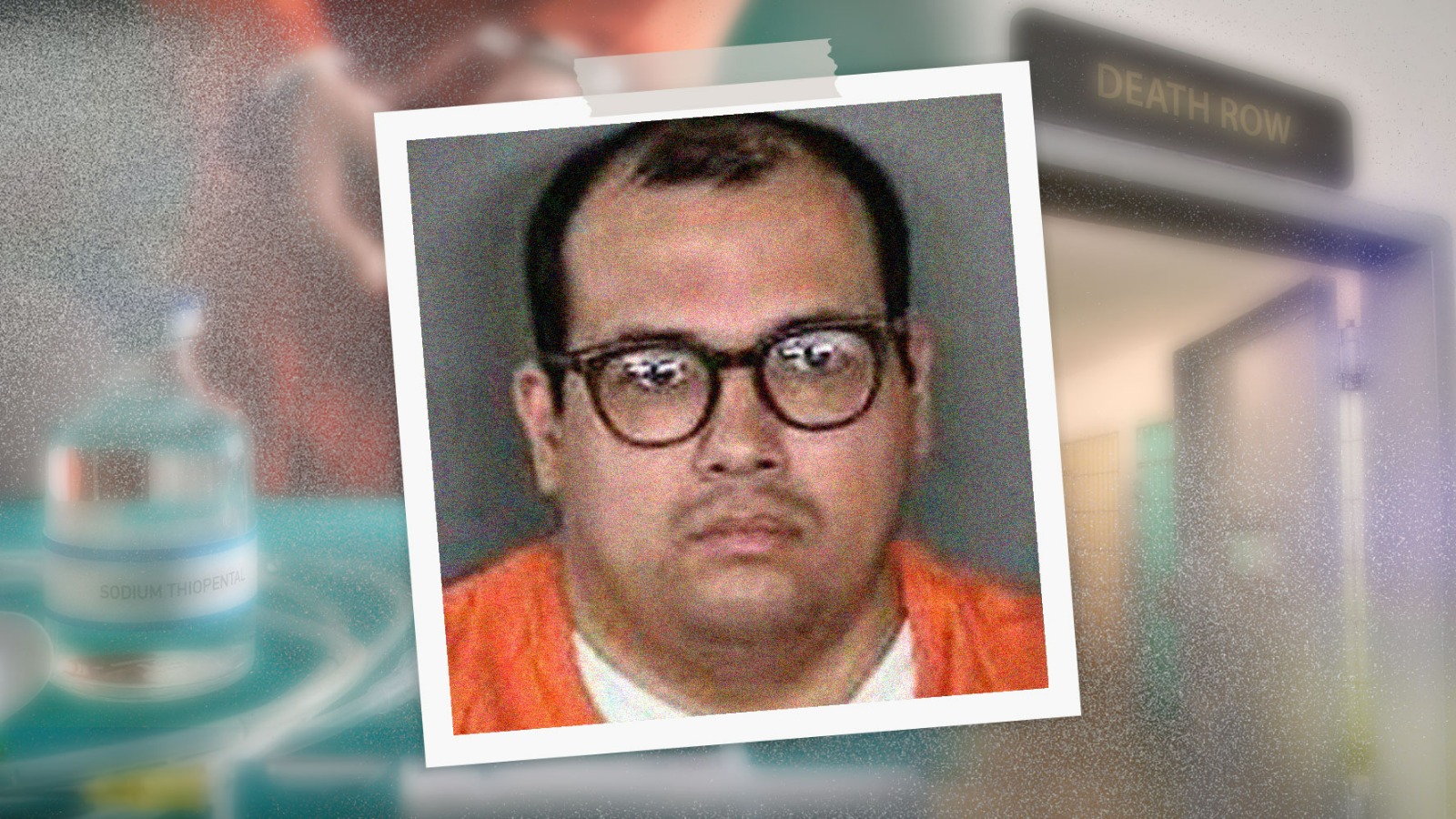
Texas officials and Sauceda’s family opposed delaying the execution. The state argued that the consular-rights issue did not change the jury’s verdict or the severity of the crime, while Sauceda’s mother publicly said the legal dispute should not prevent the sentence from being carried out. Governor Rick Perry also declined to issue a temporary reprieve.
Reports on Leal’s final meal state that he requested fried chicken, pico de gallo and tacos guisados. In his final statement, recorded by the Texas Department of Criminal Justice, Leal apologized repeatedly, said he accepted responsibility, asked for forgiveness from the victim’s family and ended with the words, “Let’s get this show on the road” and “Viva Mexico.”
Leal was 38 years old when he died. His execution closed the Texas criminal case, but it left behind a broader debate over how the United States handles foreign nationals in capital cases. For prosecutors and the victim’s family, the execution marked the final chapter in Adria Sauceda’s murder case. For international-law advocates, it remained a warning about consular rights, treaty obligations and the consequences that can follow when a murder prosecution becomes a diplomatic dispute.

