Maye Musk Faces Backlash After Comment About Reporter While Defending Elon Musk
Maye Musk, the 76-year-old mother of Elon Musk, has found herself at the center of online backlash after posting a controversial comment while defending her son from what she described as an upcoming negative article.
The controversy began when Maye Musk claimed on social media that New York Times technology reporter Ryan Mac was preparing to publish a “hit piece” about Elon Musk. Ryan Mac is a well-known tech journalist who has covered Silicon Valley, social media companies, and Musk-related stories for years. His reporting on the technology industry has earned professional recognition, including a Polk Award.
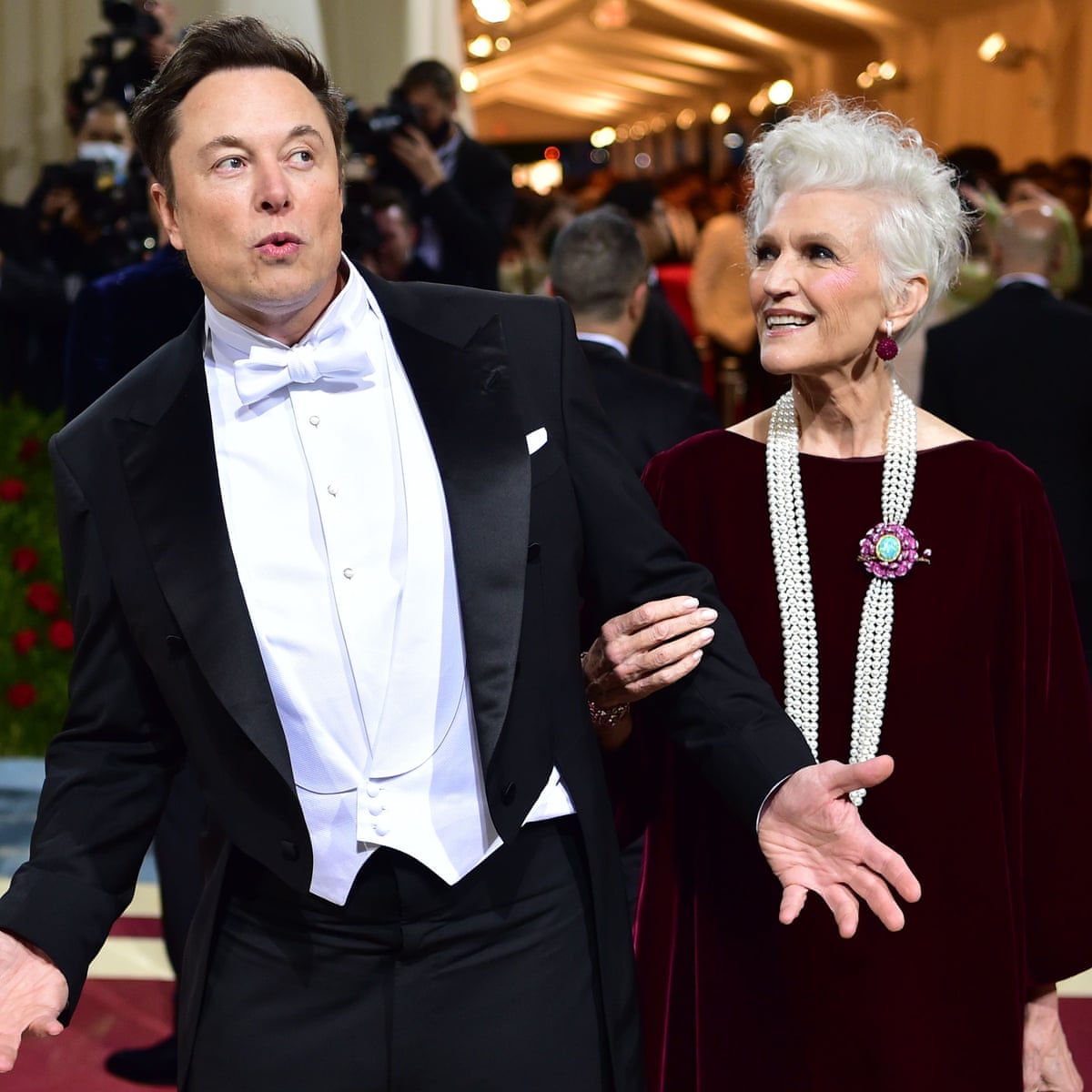
But Maye’s post quickly drew criticism because of the way she referenced the reporter’s background. In her message, she wrote that Ryan was “an American Vietnamese reporter,” then added that her book had been a bestseller in Vietnam and suggested that Vietnamese readers might not believe the article if it appeared hateful or dishonest.
The remark immediately sparked debate online. Critics argued that bringing up the reporter’s ethnicity was unnecessary and inappropriate, especially in the context of challenging his journalism before the article had even been published. Many social media users said Maye could have defended her son or criticized the reporting without referencing the journalist’s heritage.
The backlash grew quickly, with some users accusing Maye Musk of making a racially insensitive comment. Others defended her, claiming she was simply pointing out that she had readers and supporters in Vietnam and did not intend the remark as an insult. Still, for many critics, the wording crossed a line because it shifted attention away from the reporting itself and toward the reporter’s identity.
The episode reflects how public figures connected to Elon Musk often face intense scrutiny, especially when they step into controversies involving media coverage of him. Elon Musk has had a long and complicated relationship with the press, frequently accusing journalists and major outlets of bias, dishonesty, or unfair treatment. Maye Musk has also been publicly protective of her son, often defending him against criticism from media figures, political commentators, and online users.
However, this latest incident shows the risks of that public defense. In today’s media environment, even a short social media post can trigger a major reaction if readers interpret it as personal, racial, or dismissive. What may have been intended as a warning against negative coverage quickly became a separate controversy about language, race, and public accountability.

Ryan Mac, the reporter at the center of the post, has built a reputation for detailed coverage of major technology companies and influential figures in Silicon Valley. His work has included reporting on Musk’s businesses, leadership style, and public controversies. Because of that, any criticism of his reporting from the Musk family naturally attracts attention from both Musk supporters and critics.
For Elon Musk’s supporters, Maye’s post may be seen as another example of the family pushing back against what they believe is unfair media treatment. For critics, it reinforces concerns that Musk’s circle often attacks journalists personally rather than engaging with the substance of their reporting.
The incident also highlights a broader issue in celebrity and billionaire media culture: when powerful families challenge journalists publicly, the discussion can quickly move beyond the article itself and become a debate about influence, identity, and intimidation. In this case, Maye Musk’s reference to Ryan Mac’s Vietnamese background turned what began as a media criticism into a larger conversation about race and public responsibility.
As the backlash continues, the key question is not only whether Maye Musk intended harm, but why the reporter’s ethnicity was mentioned at all. In a polarized online culture, intent and impact are often judged separately. Even if supporters believe the comment was misunderstood, critics argue that public figures have a responsibility to choose their words carefully — especially when speaking about a journalist’s identity in front of a massive audience.
:quality(75):max_bytes(102400)/https://assets.iproup.com/assets/jpg/2021/04/17551_landscape.jpg)
For now, the controversy adds another chapter to the ongoing tension between Elon Musk’s family and the media. It also shows how quickly a defense of Musk can turn into a separate headline, especially when the language used raises questions about race, fairness, and the boundaries of public criticism.