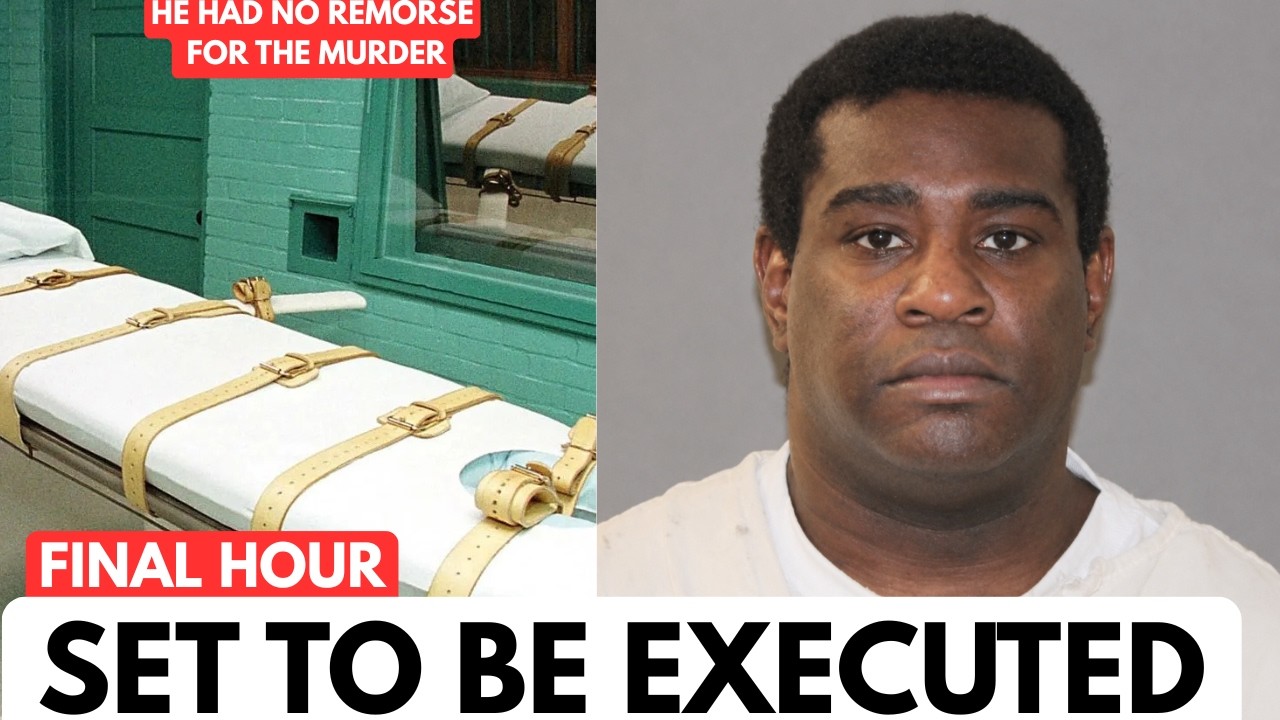
In a chilling turn of events, Texas is set to execute Jamal Howard on October 7, 2026, for the murder of a convenience store clerk over a mere $114 and a carton of cigarettes. This case, which has lingered for over 25 years, raises profound questions about justice and mental health.
 On that fateful night of May 12, 2000, Vicky Swartout, a 42-year-old clerk at a Chevron station in Silsbee, Texas, was simply doing her job when her life was tragically cut short. Earlier, Howard, then just 20, had stolen a handgun from his grandfather and, after a night of reckless behavior, walked into the store with deadly intentions.
Court records detail a harrowing sequence of events. Howard entered the store, scoped it out, and approached Swartout in the back office. He shot her once in the chest, took the cash, and, disturbingly, reached over her lifeless body to grab a carton of cigarettes. The entire incident was captured on surveillance video, leaving little doubt about his actions.
After being apprehended, Howard initially denied involvement, but when confronted with the video evidence, he confessed. His chilling statement—expressing no remorse for the crime—haunted investigators and the jury alike.

As the trial unfolded in April 2001, Howard’s defense raised questions about his mental competency, citing a history of psychological struggles. Experts evaluated him, with one psychologist suggesting he functioned at the level of an 11- or 12-year-old. Despite these claims, the jury found him competent to stand trial and ultimately guilty of capital murder.
The prosecution’s case was bolstered by the video evidence, Howard’s confession, and his lack of remorse. Yet, the defense argued for leniency based on his mental health issues. They presented testimony from family and friends who described his troubled past, but the jury deemed him a future danger to society, leading to a death sentence.

Over the next 25 years, Howard fought tirelessly through the appeals process, raising multiple claims about his trial and mental health. However, each appeal was met with rejection, including a significant ruling from the Texas Court of Criminal Appeals in 2004, which upheld the conviction and death sentence.
As the date of execution approaches, anti-death penalty advocates are mobilizing, urging Governor Greg Abbott to reconsider. Petitions and calls flood the governor’s office, but historically, the Board of Pardons and Paroles—appointed by the governor—rarely recommends clemency in capital cases.

Howard’s execution, scheduled for 6:00 PM Central Time at the Huntsville Unit, marks the culmination of a long and complex legal battle. If carried out, it will be a stark reminder of the tragic loss of Vicky Swartout, who went to work that day, never to return home.
As the clock ticks down to October 7, the question remains: will this execution serve as justice for Vicky Swartout, or does it raise deeper concerns about the fairness of the legal system? What are your thoughts?