CASE FILE: ROBERT ROBERSON — TEXAS EXECUTION CONTROVERSY OVER A SHAKEN BABY SYNDROME CONVICTION
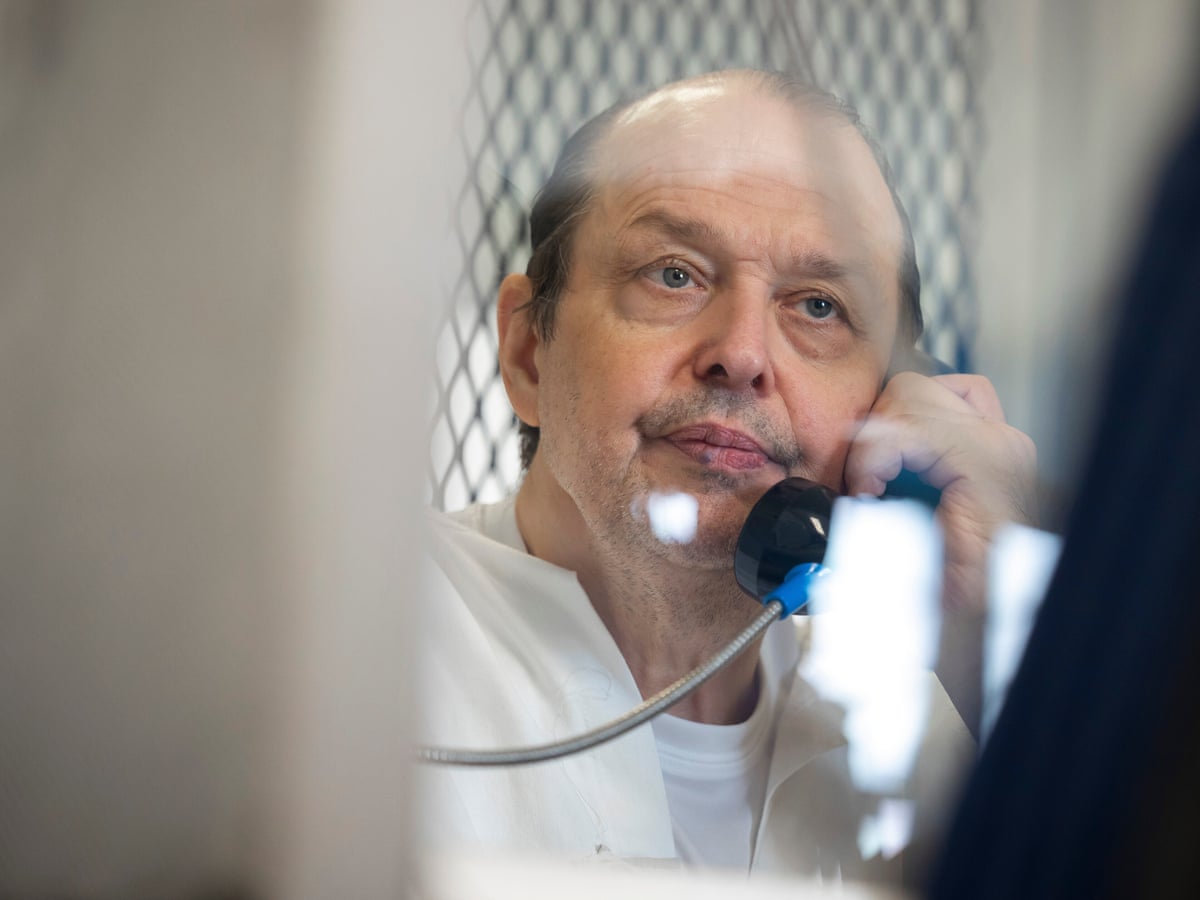
Texas is moving forward with the scheduled execution of Robert Roberson, a man convicted in the 2002 death of his two-year-old daughter, Nikki Curtis, despite growing controversy and renewed questions about the original medical findings that led to his conviction.
The case, now set to reach its final legal stage after the Texas Board of Pardons and Paroles rejected clemency, has become one of the most debated death penalty cases in the United States — not only because of the sentence itself, but because of the scientific foundation behind the conviction.

Roberson is scheduled to receive a lethal injection on Thursday unless Governor Greg Abbott intervenes with a last-minute reprieve. While the governor has limited power without the parole board’s recommendation, he could still delay the execution for up to 30 days.
A CHILD’S DEATH THAT BECAME A CAPITAL CASE
The case dates back to 2002, when Nikki Curtis, age two, was brought to medical attention with severe injuries. Doctors at the time concluded that the child’s condition was consistent with shaken baby syndrome — a diagnosis that has historically been used in many child abuse prosecutions involving head trauma.
Prosecutors relied heavily on that medical interpretation during trial, arguing that the injuries were the result of intentional abuse. Roberson was ultimately convicted of murder and sentenced to death.
But years later, that certainty began to fracture.
DOUBTS, DISPUTES, AND A SHIFTING MEDICAL LANDSCAPE
In the decades since the conviction, shaken baby syndrome has become one of the most controversial diagnoses in forensic medicine, with some experts arguing that it can be misapplied or oversimplified in complex pediatric cases.
Roberson’s legal team and supporters now argue that Nikki Curtis’s death may have been misinterpreted, pointing instead to medical records suggesting severe pneumonia and other complications that could have contributed to her condition.
They claim that what was once presented as clear evidence of abuse may not meet modern scientific standards of certainty.
Even more unusually, the lead detective in the original investigation has publicly expressed support for delaying the execution, adding weight to growing calls for reconsideration of the case.
THE FINAL LEGAL BATTLE

Despite these arguments, Texas authorities have moved forward after clemency was denied by the Board of Pardons and Paroles. The decision leaves Governor Abbott as the final point of potential intervention, though his ability to act is limited without board approval.
Roberson’s attorney, Gretchen Sween, has urged officials to halt the execution, arguing that the state must not risk what she describes as a “tragic and irreversible mistake.” Supporters of Roberson echo similar concerns, pointing to evolving medical interpretations and the possibility of wrongful conviction.
A CASE THAT DIVIDES OPINION
As the execution date approaches, the Robert Roberson case has become a flashpoint in the broader debate over capital punishment, forensic science, and wrongful convictions in the United States.
For prosecutors and victims’ rights advocates, the conviction represents justice in a tragic child death case that has already gone through years of appeals.
For critics, it represents something far more unsettling — a case where scientific certainty has shifted over time, raising the question of whether the system acted on flawed understanding.
A FINAL MOMENT OF DECISION
Unless halted at the last moment, Robert Roberson will become one of the most controversial executions in modern Texas history.
At the center of it all remains a deeply painful tragedy: the death of a young child, a father maintaining innocence, and a justice system now forced to confront how much certainty is enough when a life is on the line.
As the clock ticks down, the case stands suspended between law, science, and irreversible consequence — with no outcome that can undo the original loss