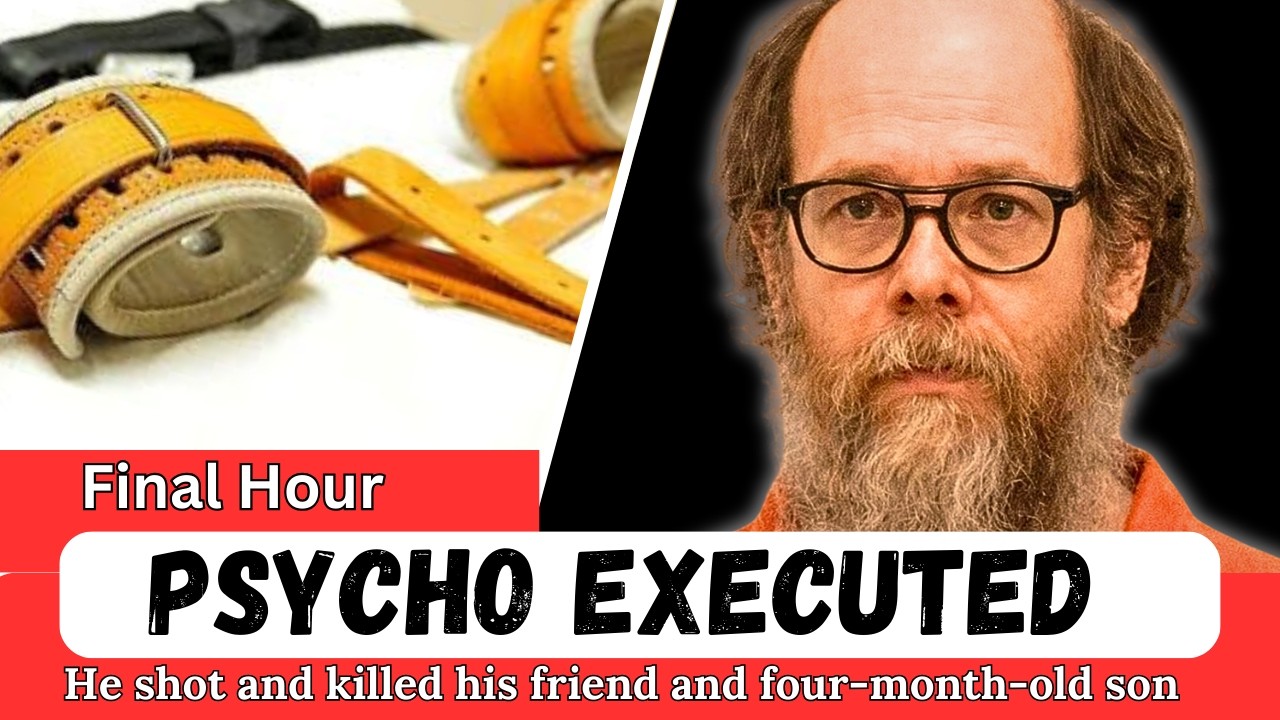
In a haunting tale of betrayal and tragedy, James Bigby was executed on March 14, 2017, after spending over 26 years on death row. The 61-year-old faced lethal injection at the Huntsville Unit in Texas, marking the grim conclusion to a horrifying series of events that began on a winter evening in December 1987
 On December 23, 1987, Bigby, then a 32-year-old mechanic, purchased two T-bone steaks with the intention of visiting his friend, Michael Treakel. What was meant to be a friendly dinner quickly spiraled into a nightmare. Bigby, who struggled with paranoid schizophrenia, believed his friends were conspiring against him regarding a workers’ compensation claim. This delusion set the stage for a brutal killing spree
As Bigby arrived at Treakel’s trailer in Arlington, Texas, he was greeted warmly. The evening seemed ordinary, with Michael preparing dinner while discussing daily life. However, unbeknownst to Michael, Bigby had sinister intentions. In a 𝓈𝒽𝓸𝒸𝓀𝒾𝓃𝑔 act, he shot Michael in the back of the head, leaving him lifeless at the kitchen table.
The horror did not stop there. In a chilling turn, Bigby moved to the other room where he found Michael’s four-month-old son, Jason. Reports indicate that he attempted to suffocate the infant before resorting to drowning him in the bathroom sink. With two lives extinguished, Bigby drove to Fort Worth, where he would claim two more victims
Calvin Crane Jr., a friend of Bigby’s, was next. After a brief conversation, Bigby shot Calvin execution-style on the roadside. Later that night, he arrived at the home of Frank Johnson, another friend, and killed him as well. By dawn on Christmas Eve, four lives had been lost, all due to Bigby’s unfounded paranoia
When Grace Caylor returned home from work that fateful morning, she was met with unimaginable horror. Finding Michael’s body and discovering Jason’s lifeless form in the sink, she was thrust into a nightmare that would haunt her for decades. The police quickly identified Bigby as a suspect, leading to a massive manhunt.
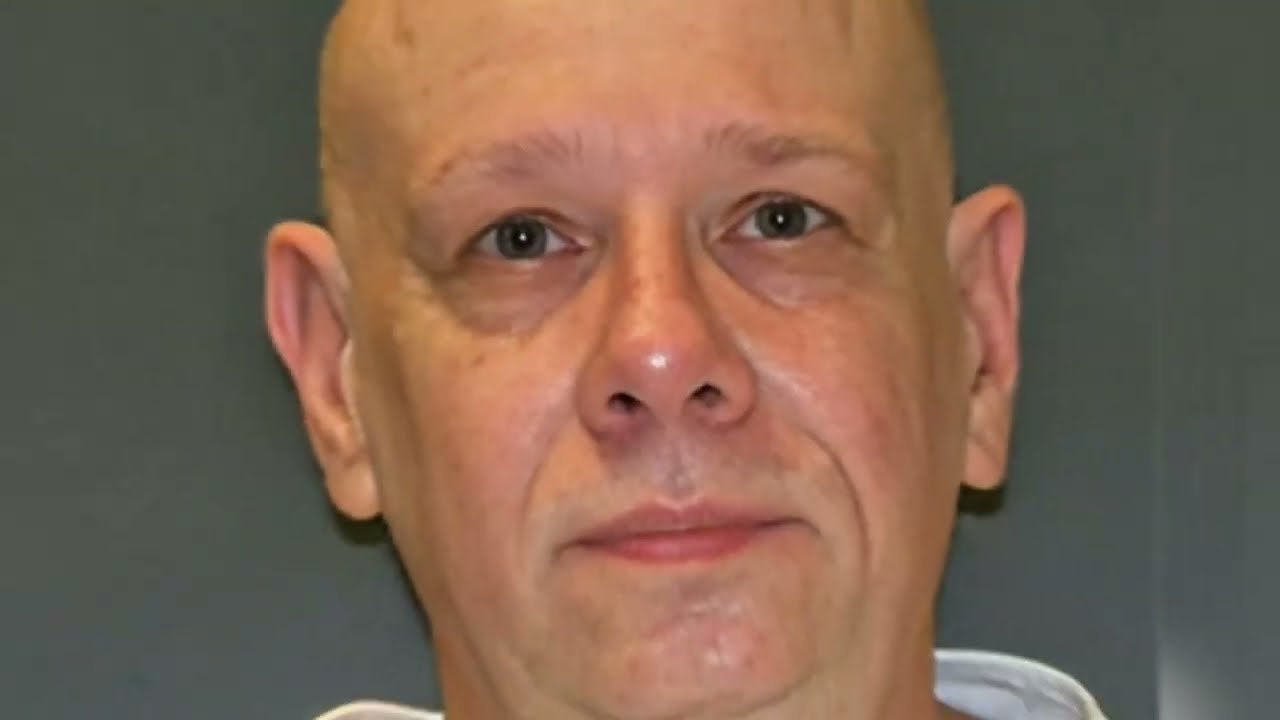
Just two days after the murders, Bigby was apprehended during a tense standoff at a motel. He was heavily armed and threatened to take his own life, echoing his earlier claims of wanting to go out in a “blaze of glory.” After hours of negotiation, he surrendered and later confessed to the killings, expressing regret only for Jason’s death.
Bigby was charged with capital murder, and his trial began in March 1991. His defense claimed he was not in control of his actions due to his mental illness. However, the prosecution argued that he was fully aware of his actions, pointing to his calculated approach to the murders and his violent outburst during the trial when he brandished a gun at the judge.
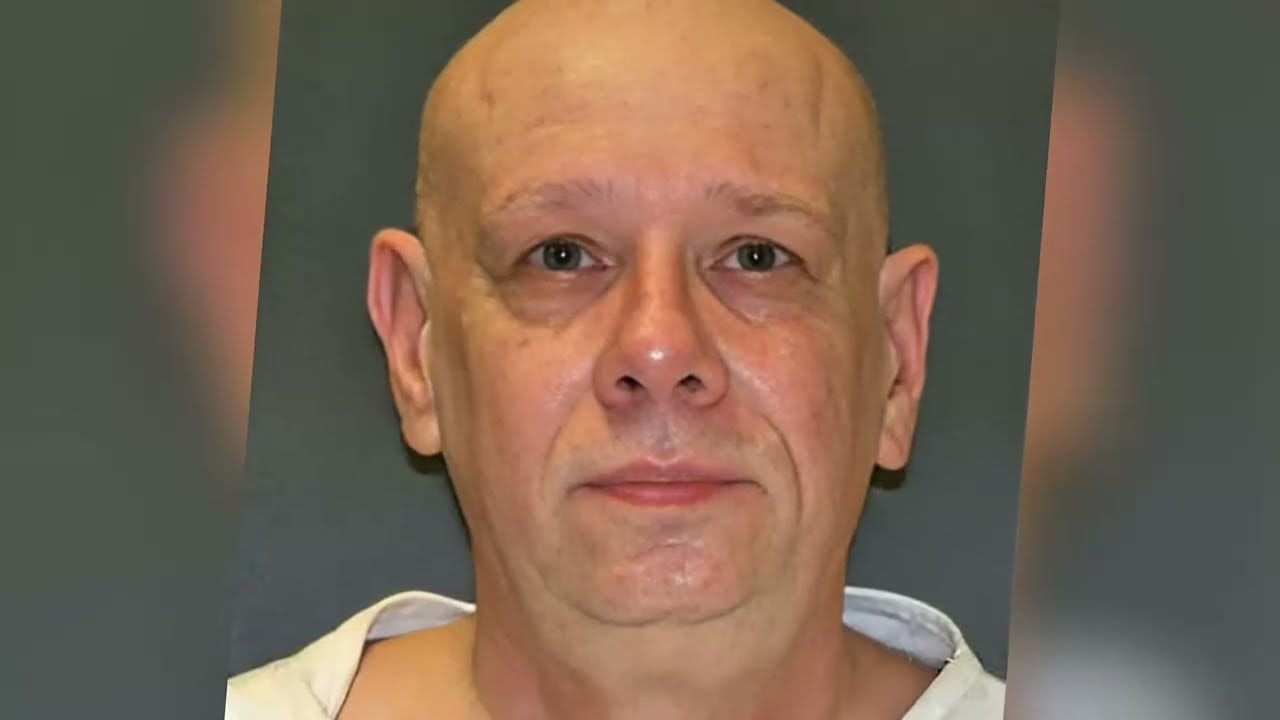
After a lengthy deliberation, the jury found Bigby guilty. During the sentencing phase, he was once again confronted with the gravity of his actions. Ultimately, he was sentenced to death, a decision reaffirmed by a second jury in 2006 after his initial sentence was vacated due to legal technicalities.
As the years passed, Bigby’s case wound through the appellate courts, but his fate was sealed when he declined further appeals, expressing a desire for closure. On the day of his execution, he reportedly expressed remorse in a letter to Grace, attributing his actions to the company he believed had conspired against him.
On that fateful evening, Bigby was executed, his last words filled with apologies and a haunting hymn. He left behind a legacy of pain for the families affected by his actions. As the dust settled on this tragic chapter, questions linger about the intersection of mental illness and justice. What does this case reveal about our legal system’s handling of those with severe mental health issues?