Elon Musk and His Daughter Vivian Jenna Wilson: A Complicated Story of Family, Identity, and Public Conflict
Elon Musk is widely recognized as one of the most influential entrepreneurs of the modern era. His companies have transformed industries, from electric vehicles and space exploration to artificial intelligence and satellite communication. But behind the headlines about Tesla, SpaceX, and global technology ambitions is a much more personal story — one involving family, fatherhood, and a deeply complicated relationship with his daughter Vivian Jenna Wilson.
The relationship between Musk and Vivian has attracted significant public attention because it reflects a broader conflict involving identity, politics, generational differences, and the challenges that can emerge between parents and children as they develop their own beliefs and paths in life.
Vivian Jenna Wilson was born in 2004 as one of Musk’s twins with his first wife, Canadian author Justine Wilson. At birth, she was named Xavier Alexander Musk, but years later she legally changed her name and gender identity, separating herself publicly from her father’s surname and choosing the name Vivian Jenna Wilson.
In court documents filed in California when she was 18, Vivian stated that she no longer wished to have a relationship with her biological father. The decision became a major public moment because of Musk’s global profile and the highly visible disagreements that later emerged between the two.
The situation became even more complicated as Musk increasingly became involved in political debates. Once viewed by many as a symbol of Silicon Valley innovation, Musk’s public positions evolved over time, particularly around issues involving technology regulation, free speech, education, and what he describes as concerns about certain cultural trends.
Vivian, meanwhile, has expressed views that differ significantly from her father’s on many political and social issues. Their differences became part of a larger public conversation about how family relationships can be affected when personal beliefs move in opposite directions.
For Musk, the issue has also become connected to his broader concerns about society and the future of humanity. The billionaire has repeatedly spoken about declining birth rates and the importance of population growth, arguing that humanity needs more people to continue advancing as a civilization and eventually become a multi-planetary species.
His personal life reflects that belief. Musk has a large family with children from multiple relationships, and he has said publicly that he wants to have as many children as he can responsibly spend time with and support as a father.
However, the story with Vivian highlights the complexity of parenthood. Having children and providing for them financially does not automatically guarantee a simple or close relationship. Emotional connection, communication, shared values, and mutual understanding can become much more complicated as children grow into independent adults.
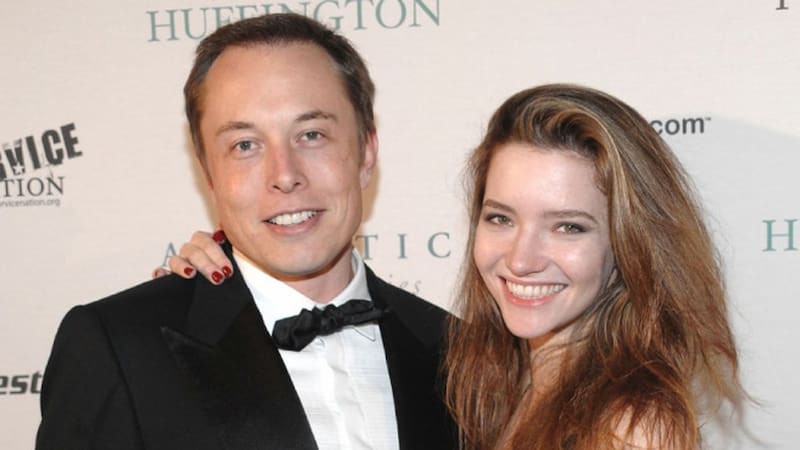
Musk’s own relationship with his father, Errol Musk, has also been described as difficult. Over the years, Elon has spoken publicly about painful experiences from his childhood and his complicated feelings toward his father. Some observers have noted the irony that Musk, who experienced a strained relationship with his own parent, has faced his own challenges in maintaining family connections.
In biographies and interviews about Musk, writers have often described him as someone deeply committed to his work. His intense focus on companies such as SpaceX and Tesla has been a defining feature of his personality. Supporters view this dedication as the reason behind his extraordinary achievements, while critics argue that extreme work habits can come with personal costs.
Musk has spoken about bringing his children into his world, including taking them to offices and business environments. He has suggested that he values having his children experience his work and understand the missions behind his companies. But as the situation with Vivian shows, sharing a world does not always mean sharing the same perspective.
The public discussion surrounding Musk and Vivian is not only about one family. It reflects a larger question faced by many parents and children: how do relationships survive when beliefs, identities, and life choices move in different directions?
For parents, children eventually become independent individuals with their own voices. For public figures like Musk, those private family struggles often become part of a global conversation because every personal decision is viewed through the lens of fame, influence, and controversy.
Ultimately, the story of Elon Musk and Vivian Jenna Wilson is not simply about disagreement. It is about the complicated nature of family relationships, where love, expectations, identity, and personal freedom can sometimes collide.
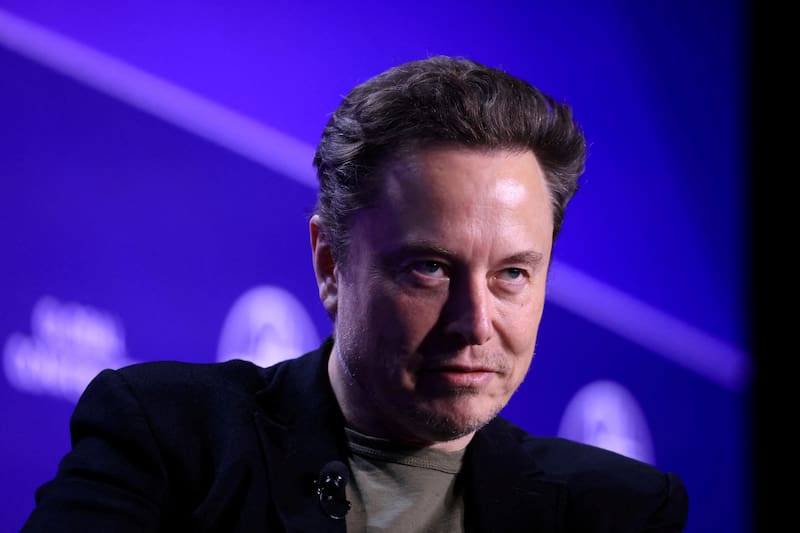
Before Musk reaches for Mars or attempts to reshape the future of humanity, his most difficult journey may be much closer to home — understanding how to navigate the challenges of being a father in a family where every member has their own path to follow.