Elon Musk’s Father Errol Reflects on Their Complicated Relationship After Years of Public Conflict

The relationship between Elon Musk and his father, Errol Musk, has been one of the most closely discussed family stories surrounding the billionaire entrepreneur. After years of public disagreements, criticism, and conflicting accounts, the two appeared to take a step toward reconciliation with a private family reunion that marked a significant change from their recent history.
Errol Musk, a retired electromechanical engineer, revealed that he reunited with Elon during a SpaceX launch event in Texas, where he also met some of his grandchildren for the first time. The meeting was reportedly the first time in several years that father and son had spent time together in person, signaling a possible shift after a long period of distance.
The reunion came after months of public tension between the two. Elon Musk has previously spoken openly about his difficult childhood and strained relationship with his father, describing painful experiences that shaped his early life. Those comments became a major part of the public discussion around Musk’s personal story, especially after the release of Walter Isaacson’s authorized biography of the Tesla and SpaceX founder.
In the biography, Isaacson portrayed Errol Musk as a deeply complicated figure in Elon’s life. The book included accounts of family conflict and emotional struggles that contributed to the way many readers viewed the relationship between father and son. Errol later pushed back against parts of the portrayal, arguing that some details were inaccurate or incomplete.

He also criticized the way he was represented publicly, saying that the version of events presented in the biography painted him unfairly. Errol claimed that many aspects of his life and relationship with Elon were more complicated than the narrative presented to readers.
One of the most debated issues involved Errol’s claims about his past financial success and his alleged involvement with an emerald mine in Zambia. Over the years, reports and public statements about the subject have differed, with Elon Musk previously rejecting claims that his early success was significantly supported by family wealth. Errol, however, has maintained that he did have business interests connected to emerald mining and that he provided financial assistance to Elon and his brother Kimbal during earlier years.
The disagreement over family history became symbolic of a larger divide between father and son — one centered not only on money, but also on memory, identity, and how their shared past should be understood.
Despite the public conflict, Errol has continued to describe Elon as someone he is proud of, even while acknowledging the difficulties between them. In interviews, he has pushed back against the idea that their relationship can be reduced to simple labels of “success” and “failure,” arguing that family relationships are far more complicated.
The phrase often associated with Errol’s perspective — that Elon is “his son, not Zeus” — reflects his frustration with what he sees as the way the public has elevated Elon into a larger-than-life figure. For Errol, despite his son’s extraordinary achievements, Elon remains a human being and a member of his family.
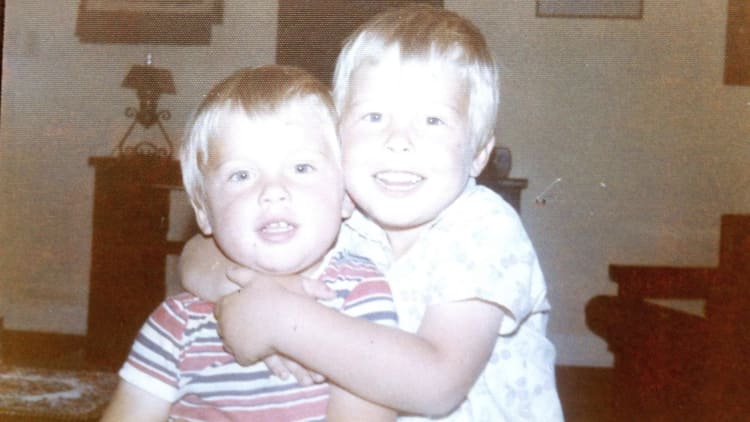
The SpaceX reunion offered a rare glimpse into a more personal side of a relationship usually discussed through controversy. Rather than business, wealth, or technology, the moment centered around family connections and grandchildren.
The story of Elon Musk and Errol Musk remains complicated, shaped by years of disagreement and very different perspectives. Both men have shared their own versions of the past, and many details remain disputed. But the reunion suggests that even relationships marked by conflict can evolve over time.
For one of the world’s most famous entrepreneurs, whose public life is dominated by companies, innovation, and global ambitions, the relationship with his father represents something much more personal — a reminder that even extraordinary individuals still carry ordinary family histories filled with emotions, disagreements, and the possibility of reconciliation.