In a haunting conclusion to a saga that spanned over four decades, Kale Bington Bates was executed by lethal injection on August 19, 2025, at Florida State Prison. His final moments were marked by a chilling silence, leaving many to ponder the complexities of justice and redemption.
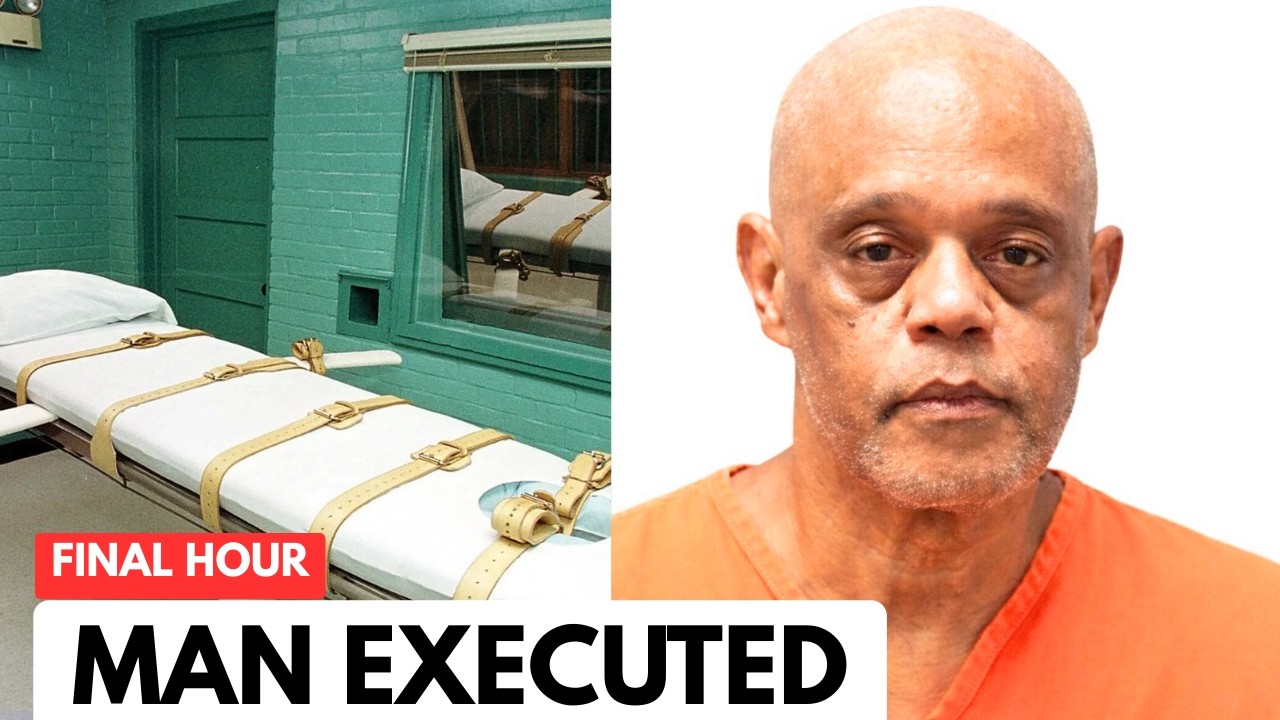 The story of Bates began on a seemingly ordinary summer day, June 14, 1982, in the Florida panhandle. Janet White, a 24-year-old insurance agent, arrived at work unaware that her life was about to be tragically cut short. That morning, Bates entered her office, and in a harrowing turn of events, he abducted her at gunpoint, dragging her into the nearby woods. In a brutal act of violence, he attempted to assault her and, when she fought back, he fatally stabbed her, leaving her body hidden from the world
Bates was arrested shortly after the crime, and by 1983, he faced trial. The evidence against him was overwhelming, leading to a swift conviction for first-degree murder, kidnapping, armed robbery, and attempted sexual battery. The jury’s decision came in just 50 minutes, a testament to the clarity of the case. He was sentenced to death, but what followed was a protracted legal battle that would stretch across decades
 Despite the initial conviction, Bates’ execution was delayed for 42 years as he navigated a labyrinth of appeals. His case was revisited in 1995, where a new jury again recommended the death penalty, but the wheels of justice turned slowly. Over the years, Bates witnessed the world transform—from cassette tapes to smartphones—while he remained confined, grappling with his past and his identity. He converted to Islam and adopted the name Ma Dib al-Shariff Chuan, yet prison records still referred to him as Kale Bates
His legal team tirelessly sought to overturn his sentence, arguing that potential brain damage and racial bias in the judicial process warranted reconsideration. However, each appeal was met with rejection, and by 2025, all legal avenues had been exhausted. Bates’ execution was scheduled amid a significant increase in executions in Florida, marking him as the tenth person executed that year.
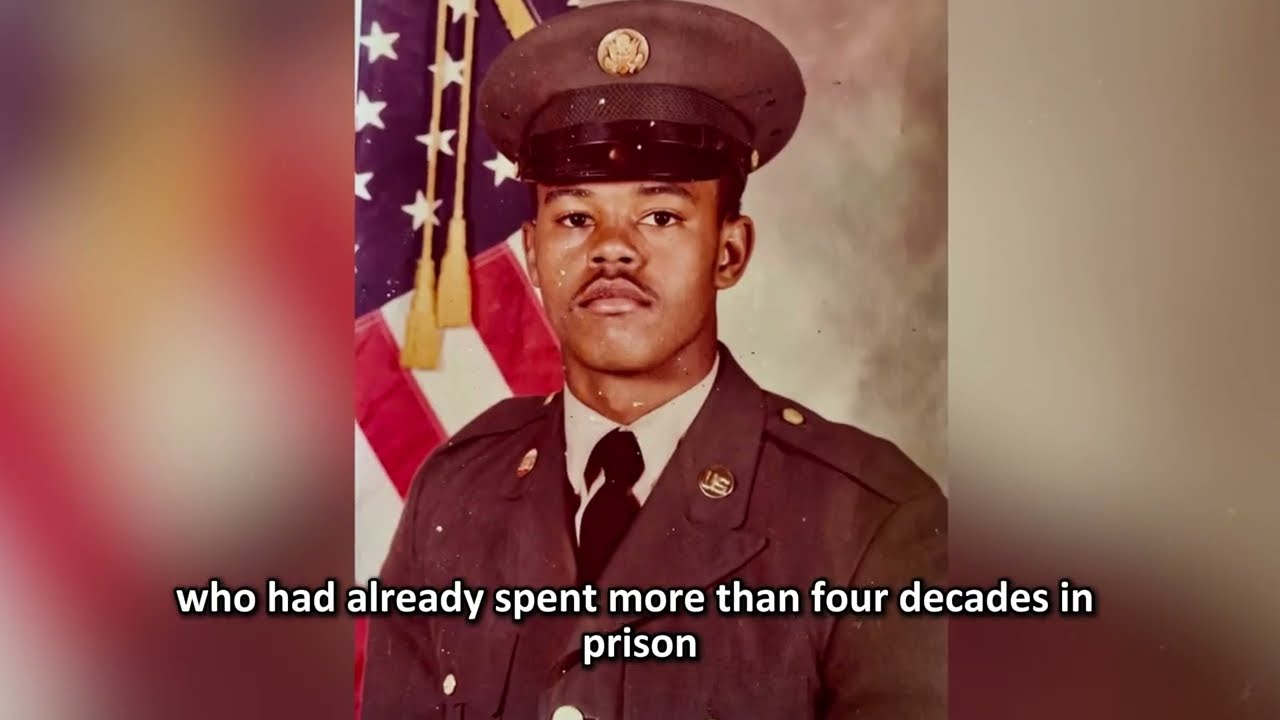
On the morning of August 19, Bates awoke in his cell, fully aware that he would not see another sunrise. He spent his final hours with family—his daughter, sister, and brother-in-law—choosing not to meet with a spiritual advisor, perhaps indicating a desire for solitude in his last moments. Surprisingly, he opted against a special last meal, reportedly choosing standard prison fare or nothing at all
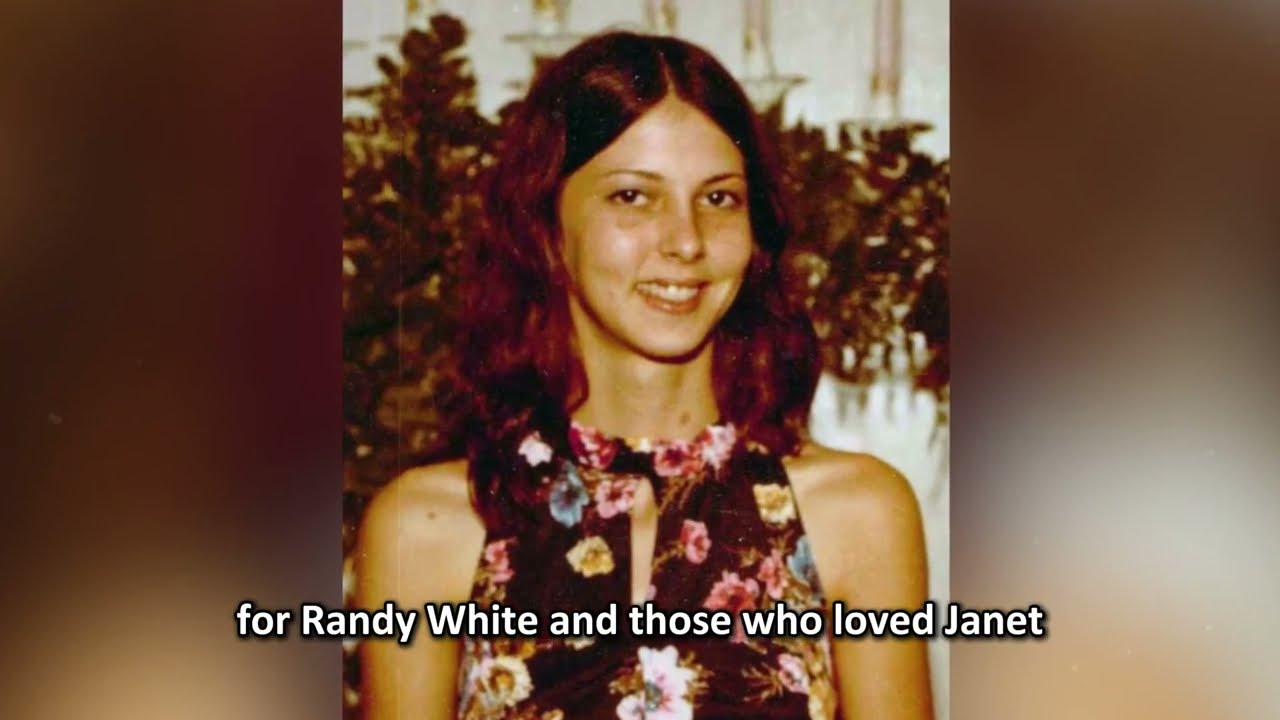 As the clock approached 6 p.m., Bates was led to the execution chamber, where he would face the consequences of his actions from so long ago. Witnesses, including Janet White’s widower, Randy White, gathered to witness the culmination of a painful journey for both families. When asked if he had any final words, Bates simply replied, “No,” leaving a heavy silence in the room.
At 6:01 p.m., the lethal injection began, and within minutes, Bates’ life came to an end. He was pronounced dead at 6:17 p.m., closing a chapter that began with unimaginable violence and pain. For some, this execution represented a long-awaited justice, while for others, it highlighted systemic issues within the criminal justice system.
As the dust settles on this tragic story, the questions linger: What does justice truly mean, and how do we reconcile the past with the present?


