Chapter 1 — The City That Woke Up Surrounded
Kraljevo, Occupied Serbia
October 15, 1941
The first thing Milan Petrović heard was not gunfire.
It was the sound of trucks.
Heavy military engines cutting through the quiet streets before sunrise.
The sound was wrong.
Kraljevo was used to soldiers.
The city had seen uniforms before.
But this was different.
This was not a patrol passing through.
This was an arrival.
Milan opened his eyes in the darkness of his small bedroom.
For a moment, he did not move.
Beside him, his wife Ana was already awake.
She had heard it too.
The trucks.
The boots.
The voices outside.
No one spoke.
Sometimes fear arrived before the event itself.
Outside, October fog covered the city.
The narrow streets near the Ibar River were almost empty.
The morning cold wrapped around the houses.
The bakery at the corner had not opened yet.
The railway workers had not started their shifts.
Children were still sleeping.
Kraljevo looked like any other Serbian town waking up for another ordinary day.
But German soldiers were already moving through the streets.
They carried weapons.
They carried lists.
And they carried orders.
Milan walked toward the window.
He moved carefully.
Slowly.
As if a sudden movement might somehow attract attention.
From behind the curtain, he saw German military vehicles stopping near the town center.
Soldiers stepped down.
They were organized.
Calm.
Efficient.
That was what frightened him most.
There was no chaos.
No confusion.
Only preparation.
Ana stood behind him.
“What is happening?”
Milan did not answer immediately.
Because he did not know.
And because sometimes not knowing was less frightening than knowing.
Finally, he whispered:
“Stay inside.”
Ana looked at him.
“And you?”
Milan turned around.
For a moment, he looked less like a factory worker and more like a father trying to protect his family from something he could not fight.
“I don’t know yet.”
Before the Soldiers Came
Months earlier, Kraljevo had already changed.
The war had arrived in Yugoslavia in April 1941.
The Axis invasion was fast and devastating.
German forces, supported by their allies, attacked a divided Yugoslav state.
Within days, the country collapsed.
The government surrendered.
The territory was divided.
Occupation authorities took control.
For many civilians, the war did not arrive as a single dramatic moment.
It arrived gradually.
A new flag above government buildings.
New rules.
New officials.
New restrictions.
New fears.
Kraljevo was strategically important.
Its railway connections made it valuable.
Its factories supported the local economy.
Its location connected important routes through Serbia.
That importance made it valuable to occupying forces.
And dangerous for resistance movements.
By the autumn of 1941, resistance against German occupation was growing.
Two major movements emerged:
The Partisans, led by the Communist Party under Josip Broz Tito.
And the Chetniks, a nationalist resistance movement connected to Draža Mihailović.
They did not always cooperate.
Their visions for Yugoslavia’s future were different.
But both opposed German occupation.
And Germany responded with increasing brutality.
The Logic of Fear
Inside German military headquarters, commanders believed they had discovered the solution to resistance.
Fear.
Not negotiation.
Not compromise.
Fear.
The idea was simple:
If civilians understood that supporting resistance would bring punishment, they would stop helping.
The population would become obedient.
The resistance would disappear.
The policy became known through brutal reprisal ratios.
For every German soldier killed, civilians could be executed in large numbers.
The victims were often not fighters.
They were workers.
Students.
Farmers.
Fathers.
Sons.
People selected because they lived in the wrong place at the wrong time.
To the officers writing these orders, the victims were statistics.
Numbers on paper.
But in Kraljevo, every number had a face.
A home.
A family.
A name.
The Resistance Attack
In early October 1941, fighting intensified around Kraljevo.
German forces came under attack from resistance fighters.
The exact circumstances and responsibilities became part of later historical debates.
But the German response was immediate.
The occupation authorities decided retaliation was necessary.
Not against only those who had attacked.
Against the community itself.
German commanders believed they needed to send a message.
Kraljevo would become that message.
The 717th Infantry Division
Among the German forces involved was the 717th Infantry Division.
The division was composed largely of older reservists rather than elite frontline troops.
Many soldiers had lived ordinary civilian lives before the war.
They had been farmers.
Workers.
Clerks.
Fathers.
Then war transformed them into instruments of occupation.
One soldier, Karl Weiss, stood outside a command building as the orders were distributed.
He was fictionalized here as a representative of the ordinary German soldier caught inside a criminal system.
Thirty-eight years old.
A former schoolteacher from Austria.
A man who once spent his days teaching children to read.
Now he carried a rifle through occupied Serbia.
He looked at the papers in front of him.
The names.
The instructions.
The numbers.
His expression remained controlled.
But his hands tightened around the document.
A younger soldier beside him asked:
“Are they soldiers?”
Karl looked at the list.
He knew the answer.
“No.”
The young soldier hesitated.
“Then why are they on it?”
Karl did not reply.
Because everyone already knew.
The Arrests Begin
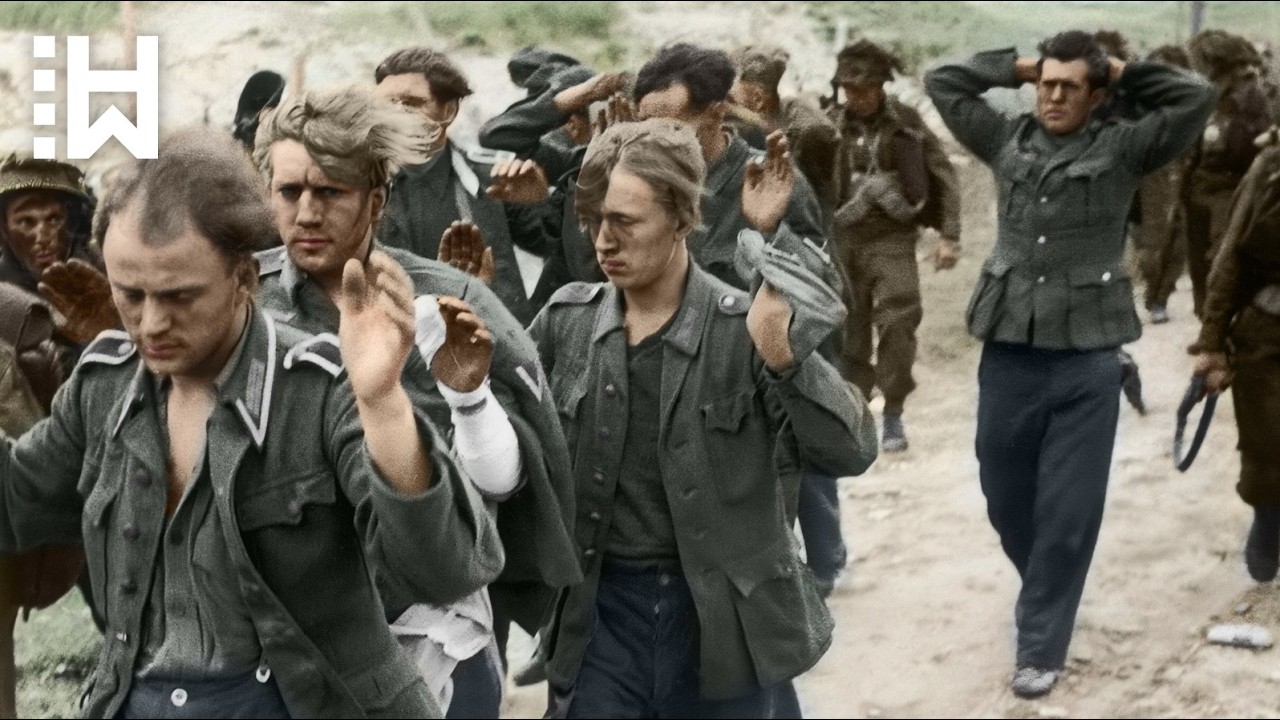
By morning, German troops surrounded parts of Kraljevo.
Doors were opened.
Families were separated.
Men were pulled from their homes.
Some were taken from workplaces.
Others were arrested simply because they were considered suspicious.
The streets that once carried ordinary life became corridors of fear.
Milan heard shouting outside.
He stepped away from the window.
Ana grabbed his arm.
“No.”
One word.
Not an order.
A plea.
Milan looked at her.
Behind her was their daughter sleeping in the next room.
A child who knew nothing about occupation.
Nothing about politics.
Nothing about war.
Only that her father usually came home every evening.
The knocking came.
Three times.
Heavy.
Official.
Milan closed his eyes.
He knew that sound.
Every occupied country learned that sound.
The sound of power arriving at your door.
When he opened it, German soldiers stood outside.
One officer looked at him.
“Name?”
Milan answered.
The officer checked the list.
A few seconds passed.
Then he nodded.
“Come with us.”
Ana stepped forward.
“Why?”
The soldier looked at her.
For a moment, something human appeared in his expression.
Then it disappeared.
“Orders.”
That word would become one of the most repeated words of the twentieth century.
Orders.
A word used by thousands of men to explain actions that would later be judged by history.
As Milan was taken away, he looked back once.
Ana stood in the doorway.
Their daughter was still asleep.
The morning sun was beginning to rise.
And he wondered whether he would ever see that house again.
The City Becomes a Prison
Within days, Kraljevo was transformed.
The city became a place of waiting.
Families waited outside detention areas.
Women waited for news.
Children waited for fathers who might never return.
Nobody knew exactly what would happen.
But everyone understood something terrible was approaching.
The German commanders believed they were restoring order.
They believed punishment would break resistance.
They believed fear would create obedience.
But they had created something else.
A wound.
One that would remain long after the soldiers left.
Because soon, Kraljevo would experience one of the largest German reprisals in occupied Yugoslavia.
And when the shooting began…
the world would discover that the victims were not an enemy army.
They were a city.
To be continued — Chapter 2: The Lists, The Prisoners, and the Orders That Sealed Their Fate