In January 1958, a quiet Nebraska town was thrust into chaos as a 19-year-old named Charles Starkweather embarked on a 𝓈𝒽𝓸𝒸𝓀𝒾𝓃𝑔 killing spree that would leave 11 victims in his wake. The tale of Starkweather and his 14-year-old girlfriend, Caril Ann Fugate, is one of violence, betrayal, and a haunting question of innocence
 The story begins in Bennett, Nebraska, where 70-year-old farmer August Meyer lived a life of solitude, known for his kindness and trust. Little did he know that his generosity would lead to a tragic fate. Meanwhile, Starkweather and Fugate were on a violent journey across the Midwest, claiming lives without remorse
Starkweather, born into a working-class family on November 24, 1938, faced relentless bullying during his childhood due to a speech impediment and a physical deformity. This mistreatment seemingly fueled a growing bitterness within him, leading to a life of crime. By the time he met Fugate, he had already crossed a line that would change everything
On November 30, 1957, Starkweather committed his first murder, killing Robert Culvert, a gas station attendant, during a robbery. Starkweather’s descent into violence escalated quickly, culminating in a series of horrific acts over just eight days. On January 21, 1958, he brutally murdered Fugate’s family after a confrontation with her parents, resulting in the deaths of her mother, stepfather, and even her two-year-old half-sister, Betty Jean.

In a chilling twist, Starkweather and Fugate remained in the house with the bodies for six days, maintaining a facade of normalcy. It wasn’t until January 27 that Fugate’s grandmother called the police, prompting an investigation that would reveal the horrifying truth
The couple’s next stop was Meyer’s farm, where Starkweather, seeking refuge, killed the trusting farmer and his dog. As they fled, their car got stuck in the mud, leading them to encounter two local teenagers, Robert Jensen and Carol King, whom they murdered after the teens stopped to help.

The violence continued as Starkweather and Fugate moved to Lincoln, where they committed a home invasion that resulted in the deaths of Seau Ward, his wife Clara, and their housekeeper Lillian Fenkel. The shockwaves of these murders rippled through the community, transforming Lincoln into a city gripped by fear.
As the manhunt intensified, Starkweather and Fugate’s crime spree came to an end on January 29, 1958, when they were apprehended in Wyoming. Starkweather’s confession revealed a chilling lack of remorse, and the case captivated the nation, raising questions about the nature of evil and the psychology behind such brutal acts.
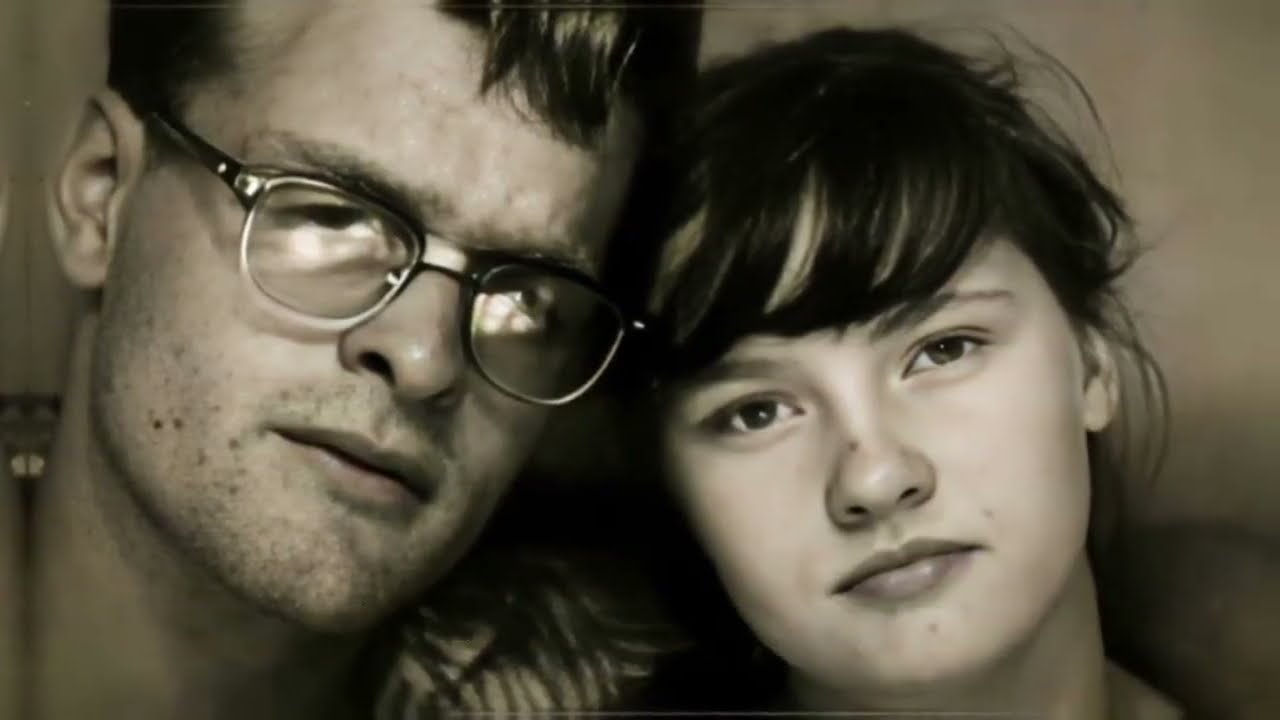
Starkweather was tried and found guilty of murder, receiving the death penalty at just 19 years old. Fugate’s trial followed, where she was deemed an accomplice, sparking debate over her role in the events. The case became a cultural phenomenon, inspiring films and music, and it remains a topic of discussion among historians and true crime enthusiasts.
Charles Starkweather was executed on June 25, 1959, at the age of 20, marking the end of a tragic chapter in American history. The haunting legacy of this case continues to provoke questions about innocence, guilt, and the impact of violence on society.
As we reflect on the lives lost and the families forever changed, we are left to ponder: what truly drives a person to commit such acts, and can we ever fully understand the depths of human darkness?