My parents sold my mansion to fund my younger brother’s vacation.
Not his wedding.
Not a medical emergency.
Not a debt that could destroy the family.
A vacation.
When my mother said it over the phone, her voice had that same soft, careful tone she used when I was sixteen and she told me I should “be mature” and let my brother have my birthday money because he had been “feeling left out.”
I was sitting in my office on the 38th floor, watching rain crawl down the glass over downtown Seattle. My assistant had just placed a folder on my desk. Inside were the final documents for a land acquisition my company had been negotiating for eight months.
And then my mother said, “Maya, don’t be dramatic. It’s just a house.”
Just a house.
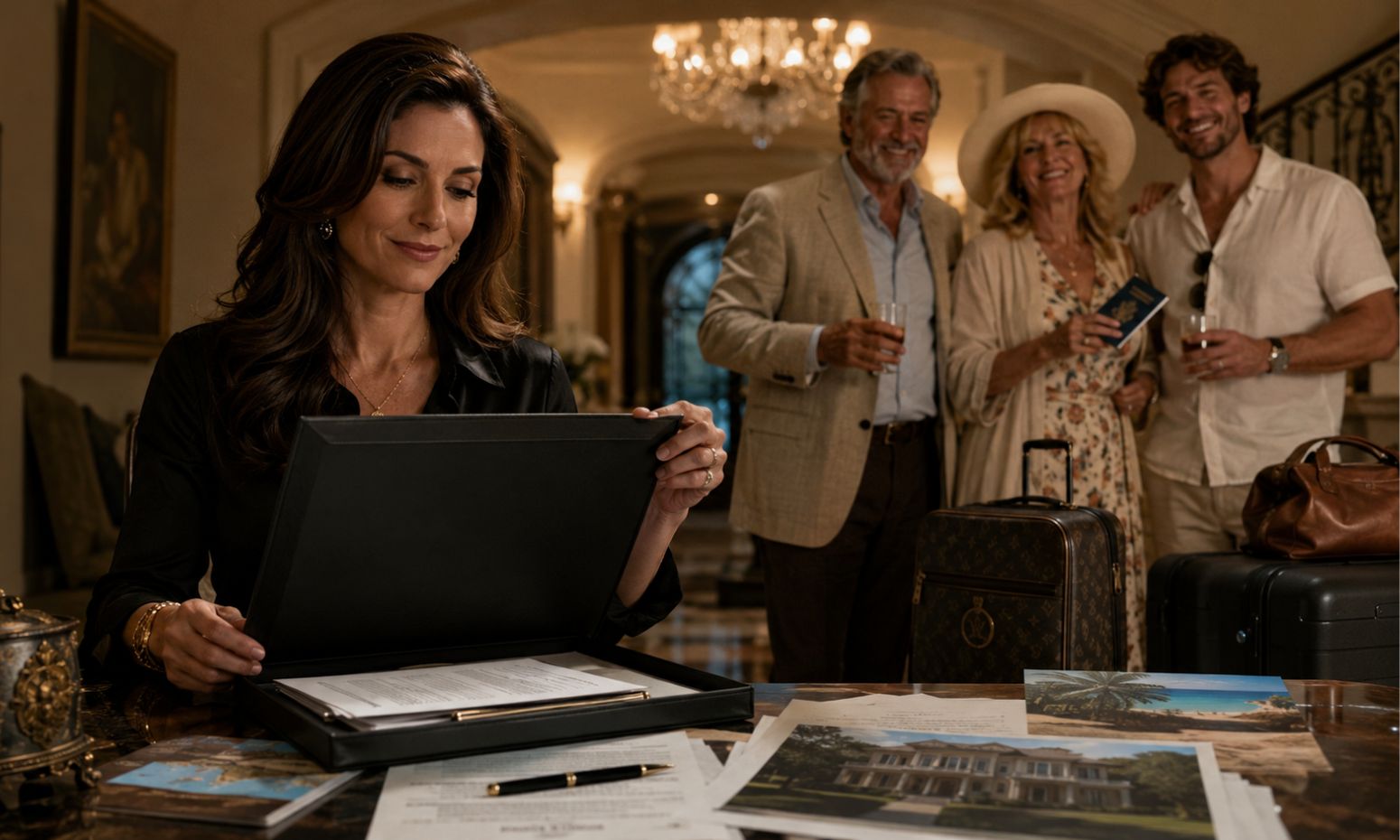
The “house” was a six-bedroom waterfront mansion in Bellevue that I had bought after twelve years of working eighty-hour weeks, sleeping in airport lounges, and eating vending machine dinners between investor meetings. It was the first place I owned that felt like mine. Not borrowed. Not temporary. Not something I had to apologize for having.
I bought it three years earlier, mostly for my parents.
That was the part no one in our family liked to mention.
My father had retired early after his trucking business collapsed. My mother’s health wasn’t terrible, but she had trouble with stairs and needed a calmer place than the old two-bedroom rental they had lived in for nearly twenty years. So I bought the mansion, moved them into the guest wing, hired a housekeeper, paid the property taxes, covered the utilities, and told them they could stay as long as they wanted.
My only condition was simple.
“Please don’t let Daniel turn this place into his personal hotel.”
Daniel was my younger brother.
Thirty-one years old. Charming in the way people are charming when they have never faced a real consequence. He had a habit of calling every failure “bad timing” and every favor “family support.” When I paid off his car loan, he said I was “finally acting like a sister.” When I refused to invest in his third startup selling luxury dog cologne, he told our parents I had become arrogant.
My parents believed him.
They always did.
So when Daniel decided he needed “a mental reset” after his crypto losses, my parents agreed he deserved something special. Not counseling. Not a job. Not accountability.
A six-month luxury trip through Europe.
Apparently, first class flights, private villas, yacht rentals, and a “personal brand consultant” cost more than they expected.
So they sold my mansion.
I didn’t yell when my mother told me.
That surprised her.
There was a pause after she finished explaining, as if she had been bracing for impact. In the background, I could hear my father murmuring, “Tell her it’s already done. She can’t reverse it.”
I leaned back in my chair and looked at the folder on my desk.
“Who signed the papers?” I asked.
My mother sighed. “Maya, don’t start with legal language. Your father handled it.”
“My father handled the sale of a property in my name?”
Another pause.
Then her voice sharpened. “You put the house under the family trust. Your father is a trustee.”
That was when I smiled.
Not because it was funny.
Because after years of being treated like the family ATM, I had finally heard the sentence I had been waiting for.
The family trust.
Three years earlier, when I purchased the mansion, my father insisted that putting it in a trust would “keep things clean.” He said it would protect the family. My mother cried and said it would hurt them if I made everything “too businesslike.”
So I agreed.
At least, that was what they thought.
I had let them sit in my lawyer’s conference room, drink sparkling water, and nod along while the documents were explained. My father interrupted twice to ask whether he would have “authority” if something happened to me. Daniel arrived late, wearing sunglasses indoors, and asked if the pool could be renovated before summer.
No one listened to the quiet woman in the gray suit sitting beside me.
Her name was Evelyn Hart.
She was my attorney.
And she was very, very good.
On the phone, my mother was still talking. “Your brother has been under so much stress. You don’t understand because everything comes easy to you. He needed this. And honestly, that house was too big for us anyway.”
I looked down at my hands.
They were steady.
That bothered her more than anger would have.
“Where are you now?” I asked.
“At the house,” she said. “The buyers are coming this afternoon for the final walkthrough. Daniel’s leaving tomorrow. We thought it would be better to tell you after everything was settled.”
Of course they did.
Behind her, I heard Daniel laugh.
Loud, careless, familiar.
Then his voice came closer to the phone.
“Tell Maya not to worry,” he said. “I’ll send her pictures from Monaco.”
My mother tried to hush him, but he took the phone anyway.
“Maya,” he said, dragging out my name like we were still children and he had just stolen the last piece of cake. “Look, don’t make this weird. Mom and Dad wanted to help me. You’re rich. You can buy another house.”
I said nothing.
He took my silence as permission.
“That place was wasted on you anyway. You barely visited. Honestly, it was kind of depressing. A mansion with no husband, no kids, no life.”
There it was.
The little knife he always carried.
I turned my chair toward the window. The rain had stopped, leaving the city slick and silver beneath the clouds.
“Daniel,” I said, “are the buyers there yet?”
“Not yet,” he said. “Why? You coming to cry in the driveway?”
“No.”
He laughed again.
My office door opened slightly. My assistant, Nora, leaned in and pointed to her watch. The board meeting was in ten minutes. Twelve directors, three investors, and one acquisition vote that could change the next decade of my company.
I nodded to her.
Then I said into the phone, “Enjoy your afternoon.”
Daniel snorted. “That’s it?”
“That’s it.”
My mother came back on the line, cautious now. “Maya?”
“Yes?”
“You’re not going to embarrass us, are you?”
I looked at the folder again.
At the embossed seal on the top page.
At the name of the entity that had quietly purchased the debt tied to my father’s failed trucking business two years ago.
At the clause Evelyn had added to the trust documents that my father had been too impatient to read.
I smiled wider.
“No, Mom,” I said. “I’m not going to embarrass you.”
She exhaled, relieved.
That was her mistake.
Because by four o’clock that afternoon, every person standing in that mansion’s marble foyer would understand something my family had forgotten for years.
I was not angry.
I was prepared.
[Confirm to continue Part 2]