The rapper known as Booy, real name Torres Hatch, is now at the center of an explosive federal lawsuit that exposes an alleged pay-to-play scheme for presidential pardons. Hatch, who pleaded guilty to a federal gun charge in San Diego and faced up to 15 years in prison, paid $600,000 to lobbying firm Burkeman and Associates for a pardon from Donald Trump that never came. Instead, he says he was robbed—and now he is suing
The shocking details emerged Tuesday when Hatch filed a lawsuit in federal court against Jack Burkeman and Jacob Wall, two lobbyists who promised to use their White House connections to secure a full pardon. The contract, signed September 25, 2025, stated that if a pardon was not granted by January 31, 2026—or if Hatch was sentenced before then—the lobbyists would refund half the fee, $300,000. Hatch was sentenced on January 13, 2025, receiving a suspended sentence and probation, but the pardon never materialized
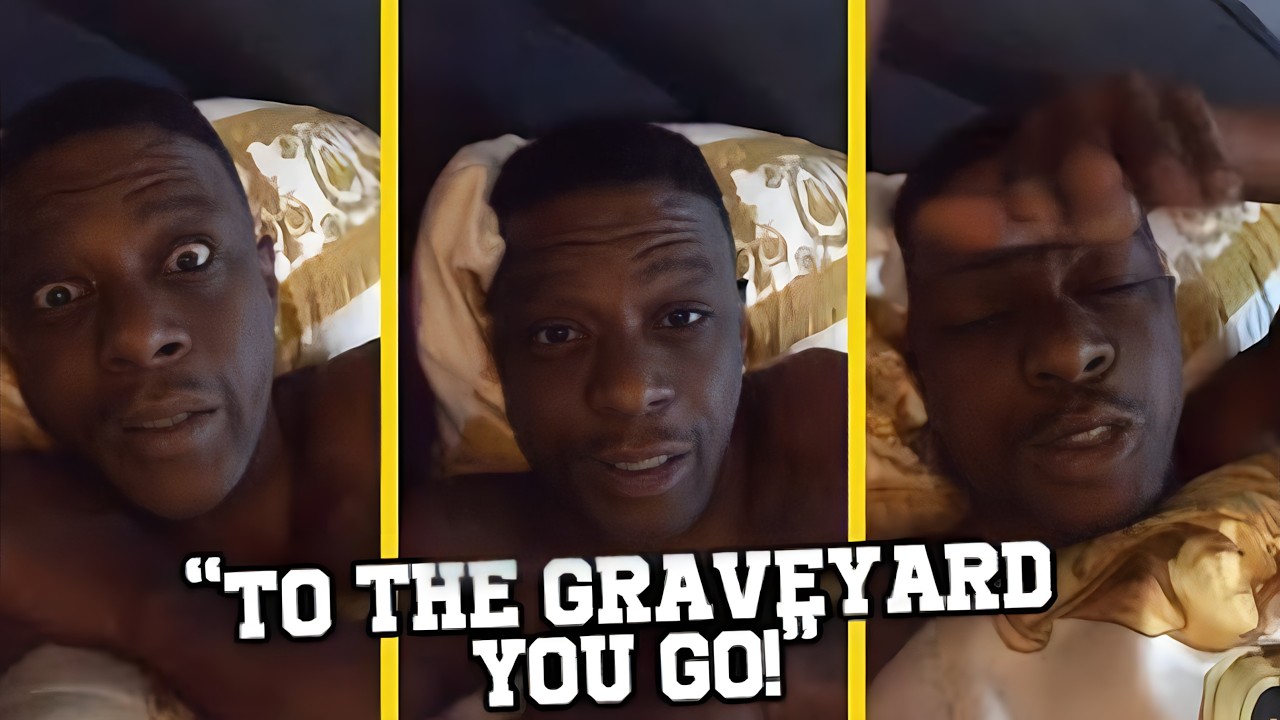 When he demanded his refund, Burkeman told him the company was bankrupt.
The lawsuit paints a picture of a desperate man who trusted the wrong people. Hatch had already pleaded guilty in August 2024 to possession of two firearms during a traffic stop in May 2023. He was looking at 15 years in prison.
His attorney advised him to seek help from Burkeman, who claimed to have a track record of securing pardons for other rappers. The contract explicitly stated the goal: “to obtain a full presidential pardon.” Hatch transferred the full $600,000 in September 2024.
But the promised pardon never came. In text messages obtained by TMZ, Burkeman allegedly told Hatch he had spoken directly to Trump and that the pardon was being signed. Hatch celebrated, only to learn it was all lies.
When the deadline passed, Hatch requested his refund. Burkeman responded that the company was “effectively bankrupt” due to overhead costs and could not pay. TMZ reports that Burkeman later gave a different excuse, claiming the refund provision was never actually agreed to and that Hatch’s subsequent arrest in Texas for an alleged crime of violence made the pardon harder to secure.
Hatch’s arrest in Texas occurred in May 2025—four months after the January 31 deadline. Legal experts say that excuse makes no sense. “They were supposed to deliver a pardon by January, but they’re blaming an arrest that happened in May
That is not a valid defense,” said a former federal prosecutor. The lobbyists’ claims of bankruptcy are also being challenged. Hatch’s attorney argues that Burkeman and Associates still has assets and that the bankruptcy filing was a sham to avoid repayment.
 The lawsuit has sent shockwaves through the music industry and political circles. It lays bare what insiders call an open secret: Donald Trump’s administration routinely pardoned wealthy individuals in exchange for large payments, funneled through intermediaries like lobbyists. The transcript mentions rappers like Kodak Black and NBA YoungBoy who received pardons after paying, and the January 6 rioters who were granted clemency.
Hatch’s case is the first to take the matter to federal court, alleging fraud, breach of contract, and racketeering.
The contract itself contains a suspicious typo. The deadline reads “January 31, 2025” instead of 2026, but the document was signed in September 2025. Hatch’s attorneys say this was a deliberate error to create ambiguity.
They point to the text messages where Burkeman repeatedly promised a pardon. “They played with the wrong one,” Hatch said in a statement. “I gave them three months to send my money back.
They told me Trump signed the pardon. I was running around my house jumping. It was all cap.”
Burkeman and Associates released a statement denying the refund provision was ever part of the agreement. “No provision to return half the fees was ever actually agreed to. This is the first known,” the statement read.
 They also claimed that they worked “harder” than ever before, but that Hatch’s new arrest complicated things. Hatch’s lawsuit, filed in the Southern District of California, seeks $600,000 in damages plus punitive penalties for fraud.
The case raises serious questions about the integrity of the presidential pardon system. Under federal law, a pardon is meant to be an act of mercy, not a transactional commodity. Yet evidence from the lawsuit shows a clear commercial exchange: $600,000 for a pardon, with a partial refund if the deal fell through.
Legal analysts say the suit could force the Department of Justice to investigate whether any federal officials were involved in the alleged scheme.
Hatch’s sentencing in January was already a surprise. Many expected him to serve prison time, but the judge gave him a suspended sentence and probation. Some speculate that the lobbying efforts—though ultimately failing—may have influenced the outcome.
Hatch himself said he was ready to move on, but the stolen money has left him furious. “I was the wrong one to play with,” he posted on social media.
The rapper, a father of nine, has a massive online following. His fan base is now rallying behind him, calling for justice. Meanwhile, Burkeman’s firm is reportedly shutting down operations.
 The full scope of their alleged fraud may extend beyond Hatch. The lawsuit hints at a Ponzi scheme, where new clients’ money is used to pay refunds to old ones, until the whole thing collapses.
As the story breaks, the public is left with two horrifying revelations: first, that a president may have sold pardons for profit; and second, that a rapper was legally robbed by lobbyists who hid behind bankruptcy and loopholes. Hatch’s lawsuit is not just about his $600,000—it is about accountability for a system that allows the wealthy and connected to buy their way out of justice
Courts will now decide whether Burkeman and Wall are guilty of fraud or simply bad business. For Hatch, the outcome is life-changing. He avoided prison but lost a fortune.
And his battle is just beginning. The lawsuit demands a jury trial, and if successful, could set a precedent for every other rapper, celebrity, or wealthy individual who has paid for a pardon that never came.
The Department of Justice has not commented. Trump’s office did not respond to requests for comment. But the transcript of Hatch’s own words captures the betrayal: “You told me you just talked to the president.
You played with the wrong one. I’m suing y’all in federal court now.” That lawsuit is now public, and it threatens to drag the Trump pardon machine into the daylight.