HUNTSVILLE, Texas — A Texas death row inmate who slaughtered his three young children in a 2003 killing spree that shocked the nation is set to die by lethal injection on November 12, 2026, after more than two decades of failed appeals and a controversial competency battle. John Allen Rubio, now 45, has spent nearly half his life inside the Allan B. Polunsky Unit in Livingston, awaiting the moment when the state will carry out the sentence for the murders of Julissa, 3, John, 1, and 2-month-old Mary Jane.
Their bodies were found in plastic bags beside the bed where they slept.
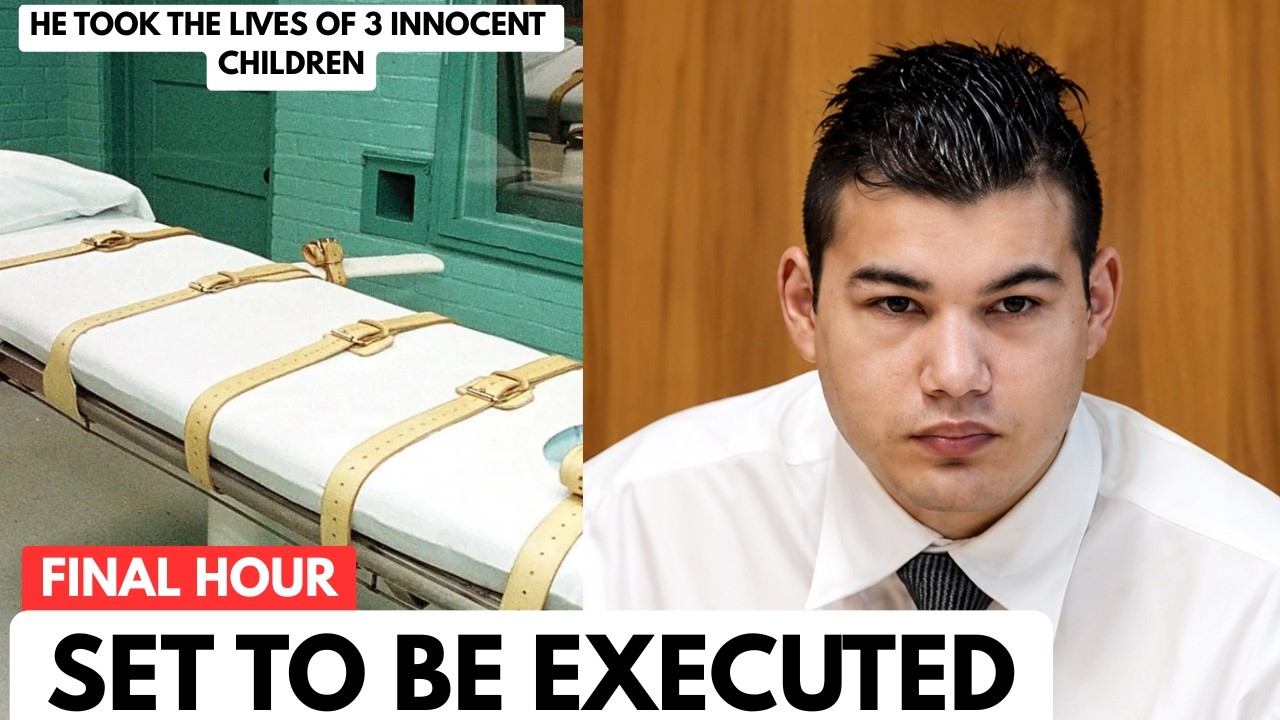 The execution date was set in February 2026 after the U. S. Supreme Court declined to hear Rubio’s final appeal in January.
The Cameron County District Attorney, Luis Saenz, who plans to witness the execution, said the decision brings closure to a case that has haunted the community for 23 years. “Justice has been served,” Saenz declared. But Rubio’s attorneys are fighting to the last minute, filing a 44-page motion in April arguing he is mentally incompetent to be executed.
They claim he lives in a delusional state, believing God and Satan are at war and that his execution is part of Satan’s plan. A hearing on that motion is expected after July 1.
Rubio’s crime unfolded on the night of March 11, 2003, in a cramped Brownsville home where he lived with his girlfriend, Angela Camacho, and the three children. According to court records and statements from both parents, Rubio became convinced that his oldest daughter, Julissa, was possessed by the spirit of his recently deceased grandmother. He told her to call Camacho, and together they decided to kill the children.
Rubio used a knife. Camacho later pleaded guilty and received three life sentences with parole eligibility after 40 years, avoiding the death penalty in part due to Mexican government opposition. Rubio, however, insisted on seeking death for himself.
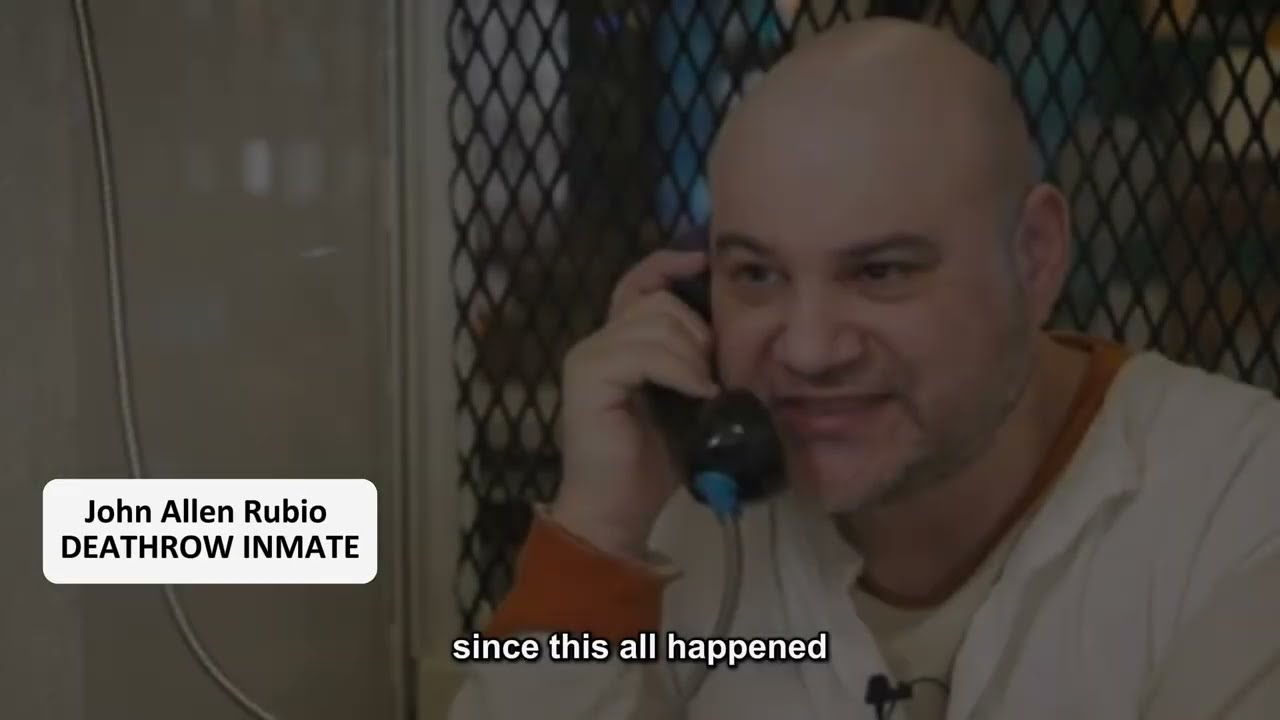 Rubio’s first conviction in 2003 was overturned by the Texas Court of Criminal Appeals in 2007 because statements by Camacho were used against him without her testimony, violating his confrontation rights. A second trial in 2010 ended with the same verdict: guilty of capital murder. The jury unanimously recommended death.
Judge Noe Gonzalez told Rubio, “If you want forgiveness, you’re going to have to get it from a much higher source.” Rubio has since exhausted every legal avenue — direct appeals, habeas corpus petitions, and two Supreme Court rejections.
In a rare interview granted in May 2026, Rubio spoke publicly for the first time in 23 years. He expressed remorse, saying, “I miss them so much. Every day I miss them.”
He insisted he was a protector, not a monster, and that his children were acting strangely before their deaths. He claimed a stranger on a bus gave his son candy, which he interpreted as a sign of harm. “If God can spare me this, that would be great,” he said.
 But prosecutors and victims’ advocates dismiss his account as a rationalization. Saenz called the arguments “the devil made me do it” defenses, rejected twice by juries.
The case has raised profound questions about mental illness, justice, and the limits of the law. Rubio’s attorneys argue that his history of severe psychosis, including hallucinations and schizophrenia diagnoses, has left him unable to rationally understand the connection between his crime and punishment. Two psychiatric experts support that view.
The state disagrees, and the courts have so far found him competent. If the execution proceeds, Rubio will be moved to the Walls Unit in Huntsville, where Texas carries out all lethal injections. He will be offered a final meal and a chance to speak his last words.
For the families of the victims — who never existed as adults — the execution date marks a final chapter in a story that began with unimaginable violence. Julissa would have been 26. John would have been 24.
 Mary Jane would have been 23. Their names have been repeated in courtrooms, in news reports, and in the words of the man who took their lives. Rubio has said he wants to tell his side of the story.
He has now done so. The question remains: When a crime is this monstrous, and the perpetrator has spent 23 years in a cell, speaking the names of his victims and saying he misses them, what does justice look like?
A state execution is scheduled. A legal challenge continues. The children are gone.
And the clock is ticking toward November 12, 2026.