ATLANTA, GA – An Atlanta rapper who co-founded one of the city’s most influential independent labels has died, three weeks after he told the world he had made peace with his own mortality. Kurt Freeman, known professionally as Ali Boy, passed away on July 19, 2026, according to multiple reports. The cause of death has been linked to complications from kidney failure, a condition he had battled publicly after years of drinking lean laced with opioids to which he was unknowingly allergic.
In an interview recorded just three weeks before his death, Freeman sat down with Big Bank, his longtime friend and the co-founder of Duct Tape Records. During that emotional conversation, Freeman spoke with startling clarity about his health struggles and his acceptance of whatever came next. “I be telling my mom, I say, ‘Mama, if I die now, I lived three lives.
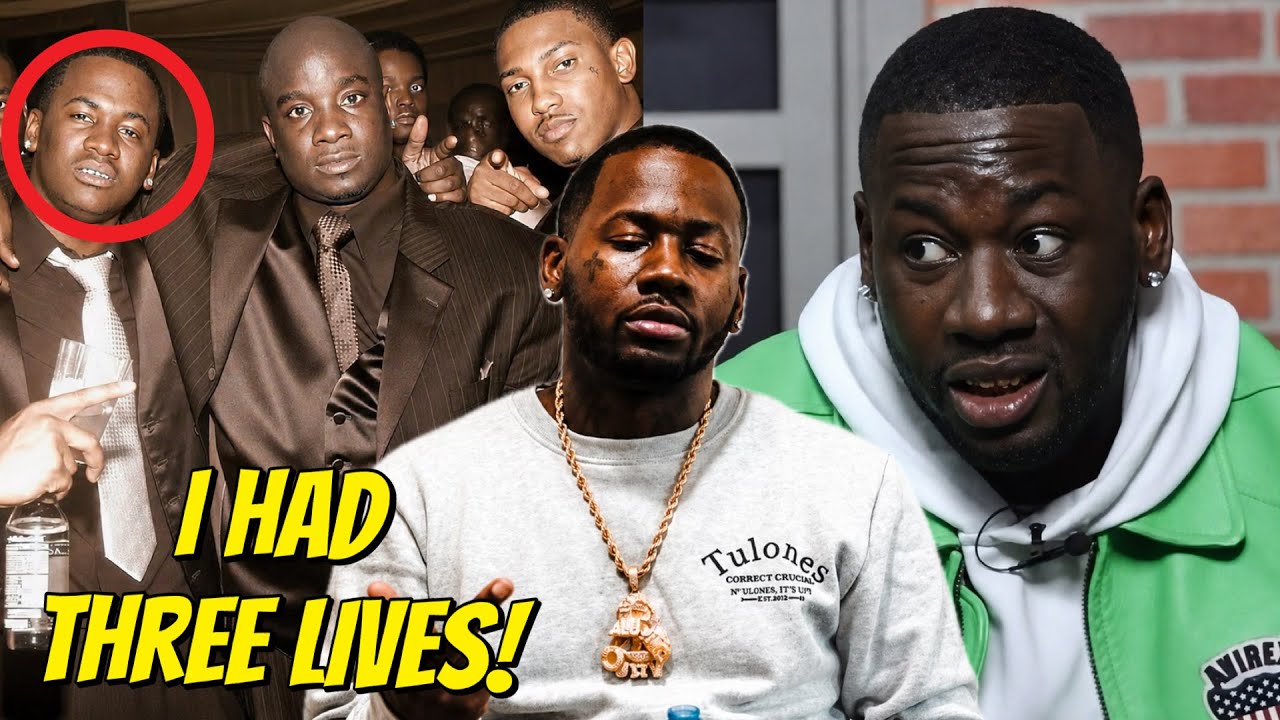 I don’t care. I’mma die still happy,’” Freeman said. The interview now reads as a prophetic farewell.
Freeman had been open about his kidney failure for months. He revealed last year that he needed a transplant after years of consuming promethazine-codeine mixtures, commonly known as lean. “The whole time I was drinking the lean – I used to sell it, so I already had it – and the whole time I was allergic to opiates and didn’t know,” Freeman explained in a previous interview.
“It damaged my kidney. It fucked my kidney up.” He underwent dialysis three times a week, but the damage was irreversible.
The rapper’s life was marked by both street credibility and artistic ambition. Growing up in Edgewood Courts in Zone 6, Atlanta, Freeman started rapping at age nine and recording by ten. His early years were shaped by parents struggling with addiction, so he was raised by his grandmother.
He hustled on the streets, caught charges, and spent time in prison. Yet he never lost sight of music as a way out. “Rapping was my strongest point,” he once said.
“I kept it in my heart.”
His partnership with Big Bank began in 2003 when the two were arrested together in a trap house. Freeman and another associate took the charges so Big Bank could stay free. While Freeman served 24 months, Big Bank started the label they had dreamed of.
 “By the time he come home, label popping,” Big Bank recalled in the same recent interview. “He come out – he a real rapper – he come out, started going crazy.” That label, Duct Tape, would go on to launch the careers of artists like Trouble and become a cornerstone of Atlanta hip-hop.
Freeman’s own rap career never reached the mainstream heights of some of his peers, but he remained deeply respected in the streets and in the studio. He counted Gucci Mane as a close friend, having met him in 2002. “Bro, however I can help you, you know I’mma help,” Gucci told him, and that loyalty ran both ways.
Freeman also defended Gucci in recent months against criticism over the Poo Shiesty situation, saying he wouldn’t call anyone a rat because he didn’t feel it was true.
The final interview with Big Bank was more than just a check-in between old partners. It was a moment of reflection, of a man who had seen the full arc of his life and found contentment. Freeman spoke about the things he had done: driven every car he wanted, walked through neighborhoods some feared to enter, earned more money in the streets than from music, and still commanded respect.
“I want to live a long time. Who don’t?” he said.
“But bro, if I died today, bro, how my life turned out. I always say that shit.”
 That sense of peace was hard-won. Freeman had survived a murder charge at age 18 when a robbery victim died 20 days later; the charges were reduced to battery and armed robbery. He served time, came home, went back to the streets, and eventually built a label that gave opportunity to others.
He leaves behind three daughters, a son, and his mother, who he had been caring for. “That’s the thing that keeps me most happy – providing for them,” he said.
News of his death has sent shockwaves through Atlanta’s rap community. Tributes have poured in from artists, producers, and local figures who credit Freeman with opening doors and staying true to his roots. “He was a real G,” Big Bank said in a brief statement.
“He took a charge for me. He was my brother. I’m broken.”
Freeman’s health battle was no secret. He often used his platform to warn others about the dangers of lean, especially for those who might be allergic to opioids. “You don’t know if that shit will fuck you up like that,” he said.
“It was life-changing, bro.” He remained on dialysis, still grinding, still recording, still smiling. “I can fall ten times, I’m going get up eleven,” he said.
 “That’s how I look at it.”
In the final three weeks of his life, Freeman’s words took on a new weight. He told Big Bank that he had done everything he dreamed of: money, cars, travel, respect. He said he had lived three lives.
And he said he didn’t care if he died that day – he would die still happy. That interview, now widely circulated, serves as a stark reminder of the fragility of life and the power of acceptance.
Big Bank ended the interview by saying, “This was the story of an Atlanta rapper who lost his life to kidney failure. But that was after he came at peace with the life he lived and accepted his fate.” Three weeks later, that acceptance became reality.
Freeman’s family has asked for privacy during this time. Funeral arrangements have not yet been announced. The label Duct Tape has not released an official statement, but sources say a tribute project may be in the works.
Ali Boy was 42 years old. He is survived by his mother, three daughters, one son, and a community that will remember him as a man who faced every challenge head-on – and met his end without regret. As he said in that final interview: “I’mma die still happy.”


