Florida carried out the execution of James Dennis Ford, bringing an end to a decades-long legal battle surrounding one of the state’s most controversial death penalty cases. His execution marked the final chapter of a case that involved a brutal crime, years of appeals, and ongoing debate over justice and punishment.
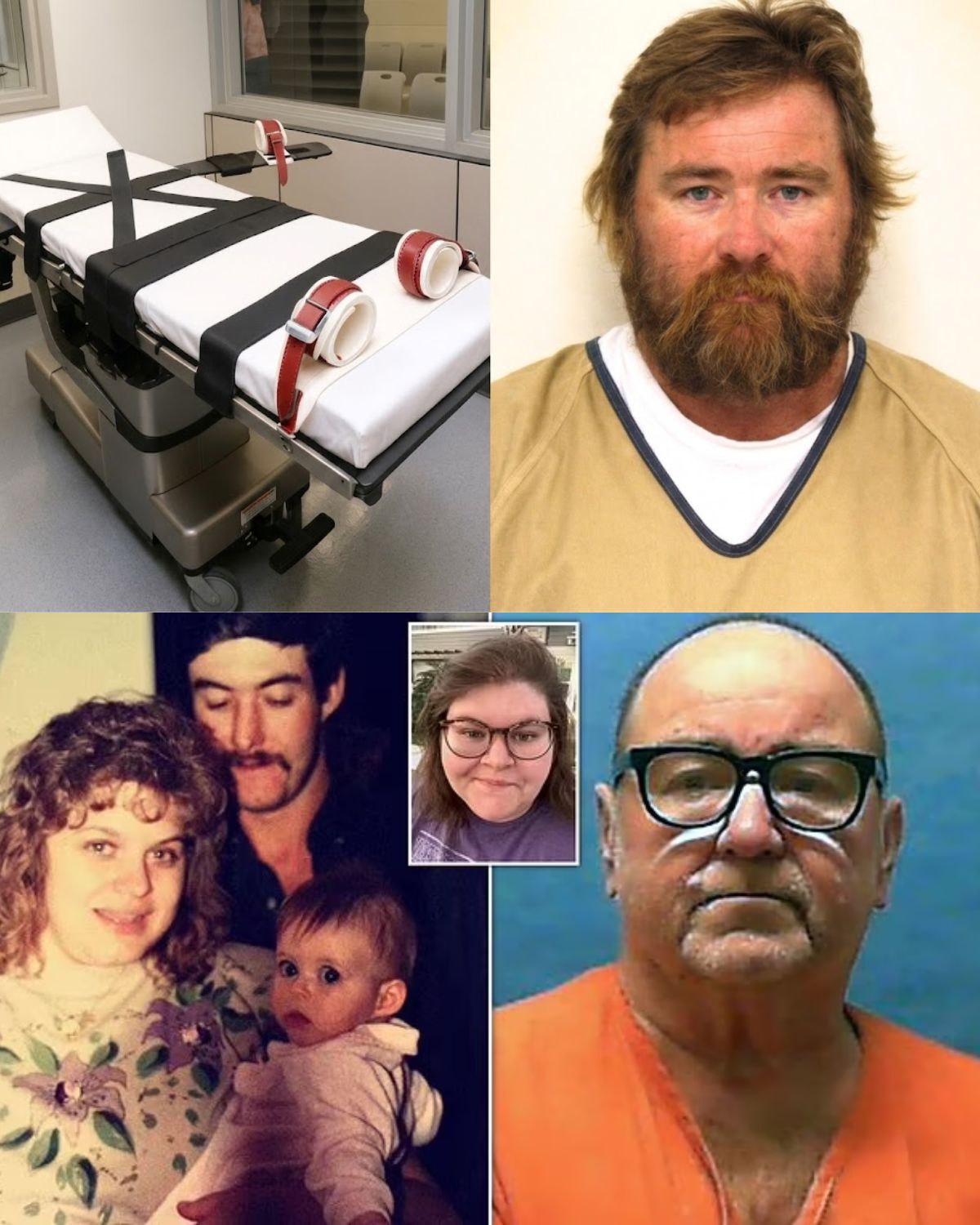
The Crime and Conviction
Ford was convicted for the 1997 murders of Greg and Kimberly Malnory in Lee County, Florida. Prosecutors argued that Ford carried out the killings during a robbery and presented evidence that led a jury to recommend the death penalty.
The case drew attention not only because of the severity of the crime but also because of the questions raised throughout the years about Ford’s background, mental state, and the circumstances surrounding the offense.
Appeals and Controversy
During his time on Florida’s death row, Ford’s attorneys pursued multiple appeals, challenging aspects of his conviction and sentence. Defense arguments focused on issues including his intellectual functioning, mental health history, and whether mitigating circumstances had been properly considered.
Despite those challenges, courts repeatedly upheld the conviction and death sentence, allowing Florida to move forward with the execution.
Final Hours and Silence
In his final hours, Ford remained under the strict conditions faced by death row inmates awaiting execution. His final moments were closely monitored as officials prepared to carry out the sentence.
Witnesses reported that Ford did not make a lengthy final statement before his execution, leaving behind a moment of silence at the end of a case that had remained in the courts for nearly three decades.
Legacy
The execution of James Dennis Ford closes one of Florida’s long-running capital cases, while the debates surrounding his conviction and sentence continue among legal observers, advocates, and the public.
For the victims’ loved ones, the execution represented the conclusion of a painful legal journey. For Florida, it became another chapter in the ongoing national discussion surrounding the death penalty, appeals, and the balance between justice and mercy.