The CBS juggernaut NCIS has survived exploding helicopters, secret double agents, and gut-wrenching death scenes for nearly two decades. Yet the most explosive drama never appeared on screen. It unfolded behind the cameras, as a stunning wave of leading actors walked away from one of television’s most successful franchises, leaving fans desperate for answers.
New revelations have shaken the NCIS universe as insiders and former stars finally break their silence. From toxic set conditions to bitter contract battles, from burnout to mysterious disappearances, the real stories behind these departures paint a far darker picture than the polished episodes ever suggested.
The first and most shocking exit belongs to Pauley Perrette, who played the beloved forensic scientist Abby Sciuto for 15 seasons.
Her departure before season 16 sent shockwaves through the fandom. Abby was not just a character, she was the heartbeat of the lab, with her pigtails, tattoos, and relentless energy. Fans could not fathom the show without her.
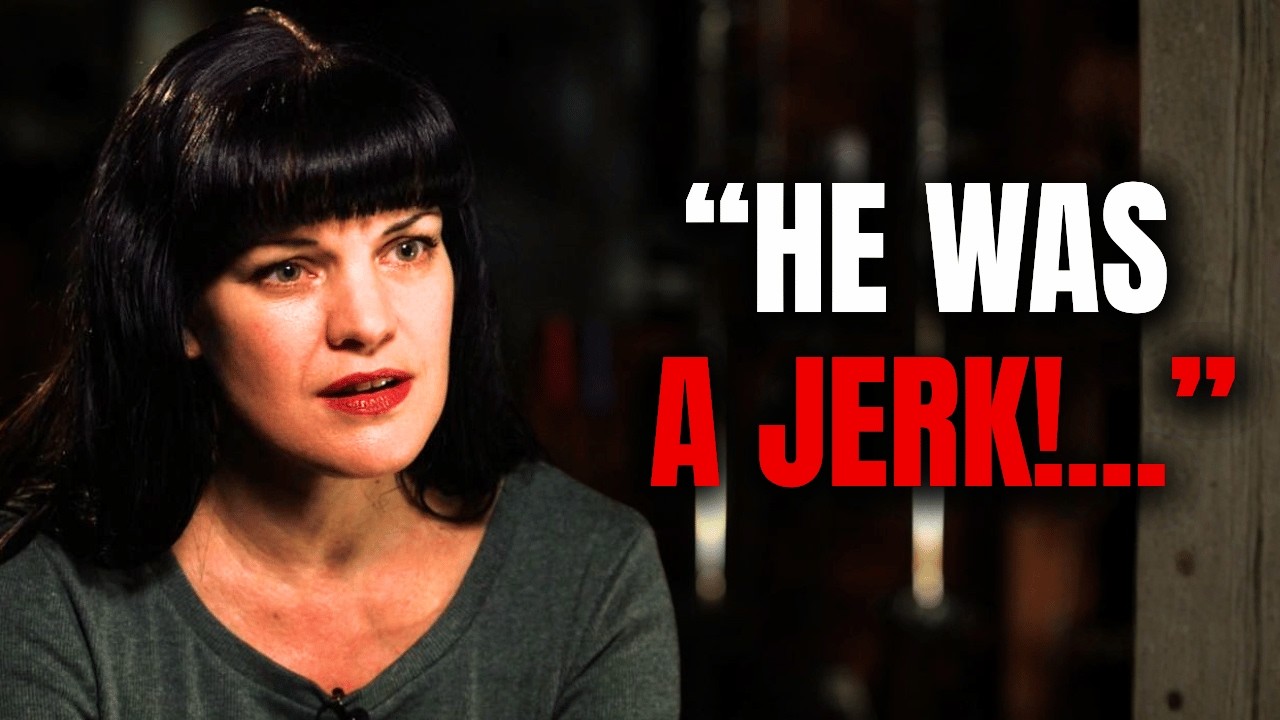
Initially, Perrette’s farewell seemed graceful. She thanked supporters and stepped away quietly. But then cryptic tweets emerged, hinting at multiple physical assaults and a toxic environment on set.
The internet exploded with speculation, and the target quickly became her co-star and executive producer Mark Harmon.
According to reports, Harmon’s dog had bitten a crew member so severely that the victim required 15 stitches. Despite the seriousness of the incident, Harmon continued bringing the dog to set, leaving crew members uneasy and fearful.
Perrette, never one to stay silent, reportedly voiced her safety concerns, and that decision changed everything.
The rift between Perrette and Harmon reportedly widened until she felt targeted. She later tweeted that she lost her job for saying no.
Even a year after leaving, she admitted to suffering nightmares about Harmon, revealing the deep emotional toll the conflict had taken on her. The exit was anything but clean.
Abby’s on-screen goodbye was bittersweet, leaving the character alive and written out of the spotlight rather than killed off.
It was a glimmer of hope for fans who dreamed of her return. But for Perrette, the departure was survival, and her story remains one of the darkest chapters in NCIS history.
Another exit that stunned the fanbase was Jennifer Esposito’s sudden departure as Special Agent Alexandra Quinn.
Introduced in season 14, Quinn was sharp, witty, and battle-tested, a former training officer returning to field work. Viewers saw long-term potential, but after just one season, Quinn was gone almost without notice.
On screen, Quinn left to care for her ailing mother.
It was a gentle and abrupt exit that left fans scratching their heads. Rumors of Esposito’s own health issues began circulating, but she was quick to shut them down. She clarified that she was not ill, but that the role was always meant to be temporary.
 Esposito explained that Quinn was never intended as a long-term character, only a one-season arc. She spoke warmly of the cast and crew, yet added a telling caveat: in television, nothing is done with consistency, and actors come in to fill storylines before exiting. Her brief run proved that even promising agents can vanish in a heartbeat.
Few exits in NCIS history hit harder than Sasha Alexander’s departure as Caitlin Kate Todd. Kate was a cornerstone of the early series, a former Secret Service agent with sharp instincts and undeniable chemistry with Gibbs and Tony. Her sudden death in the season two finale left viewers devastated and stunned.
But the truth was not a creative decision. Alexander herself requested to leave. She revealed that the relentless schedule, with 24 episodes per season and 17-hour workdays, was physically and emotionally crushing.
She broke down in tears in front of creator Donald Bellisario and told him it was simply too much.
The crew sympathized with her, recognizing the brutal pressure. Bellisario later insisted there was no malice in her exit.
Kate’s shocking death redefined NCIS, opening the door for Cote de Pablo’s Ziva David. Alexander’s short run became legendary, proving that a powerful exit could elevate an entire series.
Lauren Holly, who played Director Jenny Shepard, joined in season three and quickly became a commanding presence.
Her complicated history with Gibbs added tension and intrigue. Initially signed for only six episodes, she was extended to nearly 50 as writers saw potential in her character.
But over time, Holly grew restless.
She admitted in interviews that she began feeling bored with Jenny’s arc after two years. The fast-paced network environment made character development haphazard, and the departure of showrunner Donald Bellisario severed her emotional connection to the material.
The writers decided to give Shepard one of the most dramatic exits in NCIS history.
In season five, she was shot during a shootout at a diner, leaving fans in shock and Gibbs grieving another loss. Holly, however, felt relief. She later said killing off her character gave her closure and freed her from the grind.
Michael Weatherly’s exit as Tony DiNozzo remains one of the most emotional farewells the show has ever produced. For 13 seasons, DiNozzo was impossible to ignore, a mix of charm, goofiness, and sharp intelligence. His banter with Gibbs and his chemistry with Kate and Ziva made him a fan favorite.
 Weatherly’s departure was driven by burnout. He admitted the long hours, the pressure of maintaining consistency across 24-episode seasons, and the weight of the production left him feeling it was time for change. He was also eager for a new challenge, soon landing the lead role on CBS’s Bull.
His exit was handled with care. Instead of killing off DiNozzo, the writers revealed he had a daughter with Ziva and left NCIS to raise her in Paris. It was a tearful sendoff that left the door open for a return, and Weatherly has teased fans ever since with cryptic social media posts.
Dwayne Henry’s character, MI6 officer Clayton Reeves, seemed like a breath of fresh air when he joined. Brought in by showrunner Gary Glasberg to broaden the show’s perspective, Reeves added international flair and charm. But Glasberg’s untimely death in 2016 left the character without a guiding hand.
Without Glasberg’s vision, Reeves never found a long-term narrative anchor. In the season 15 finale, he was shockingly killed while saving Abby during a mugging gone wrong. The death was a gut punch, made worse because it coincided with Perrette’s exit.
Henry accepted the decision gracefully, calling the sendoff the best in TV history.
Emily Wickersham’s departure as Ellie Bishop blindsided fans in season 18. Bishop had evolved from a socially awkward NSA analyst to a vital member of the team over eight seasons.
Her exit saw her staging her own fall from grace to go undercover on a classified mission, a departure that felt temporary.
But Wickersham soon confirmed she was truly leaving. In a heartfelt Instagram post, she thanked the cast and crew and signed off with gratitude.
She cited the finicky and weird nature of the television business, and quickly stepped away to focus on family, welcoming her first child in December 2021.
Mark Harmon’s exit as Leroy Jethro Gibbs felt like the end of an era. For 18 seasons, Gibbs was the show’s backbone, a gruff, stoic leader whose rules defined the series.
His departure in season 19 was handled with surprising restraint, as Gibbs chose to stay in Alaska, seeking peace he could no longer find.
Behind the scenes, the decision was rooted in exhaustion. At 70 years old, the physical demands of action-packed episodes were taking a toll, and Harmon was also overloaded as an executive producer on NCIS and its spin-offs.
Showrunner Steven Binder has hinted Gibbs’ story is not completely over, leaving fans with hope.
Maria Bello joined NCIS as forensic psychologist Jack Sloan in season 15 and immediately brought a fresh dynamic. Her non-nonsense confidence and developing bond with Gibbs became one of the show’s most intriguing subplots.
 Fans saw the chance for Gibbs to open up emotionally in a way he rarely had before.
Bello signed a three-year contract from the start, and when it ended, she made the simple decision not to renew. Her exit was handled delicately, with Sloan staying behind in Afghanistan on humanitarian missions.
Bello called the cast and crew the kindest, most generous group she had worked with, and her character left with dignity.
Finally, the exit that triggered chaos before filming even began: Cote de Pablo’s departure as Ziva David. Introduced in season three, Ziva instantly became a fan favorite, with her sharp skills and undeniable chemistry with Tony DiNozzo.
Her abrupt exit in season 11 left everyone stunned, including veteran actor David McCallum.
McCallum later admitted he did not understand how a leading lady in a worldwide show could suddenly vanish days before production started. Initially, de Pablo gave no explanation.
Three years later, she revealed she was unhappy with the direction of her scripts, feeling Ziva was not being given the respect the character deserved.
The writers later pronounced Ziva dead off-screen, adding to the frustration. But years later, Ziva reappeared, revealing she had faked her death.
The short-lived comeback reignited fantasies of a reunion with Tony, but her initial exit remains one of the most controversial moments in NCIS history.
These ten departures reveal a behind-the-scenes reality far more complicated than any fictional case file. From unsafe sets and brutal schedules to creative differences and sheer burnout, the reasons run deep.
Each actor’s choice carried its own weight, and the show has never been the same.
For fans, the pain of losing beloved characters lingers. But the stories also offer a reminder that even the brightest stars can fade under unbearable pressure.
NCIS has survived, but it has been forever shaped by the quiet and not-so-quiet battles fought beyond the cameras.
The real reasons behind these exits are now exposed, and the full picture is as dramatic as anything the show ever aired. Which departure shocked you the most?
The answer may reveal just how deeply these losses cut. One thing is certain: the legacy of these actors is etched into NCIS history, and their stories demand to be told.