STARKE, Fla. — Florida executed Michael Bernard Bell by lethal injection Tuesday evening at Florida State Prison, ending a three-decade wait on death row for a man convicted of gunning down two people outside a Jacksonville bar in a case that took an unexpected turn just weeks before his death.
Bell, 54, was pronounced dead at 6:25 p. m. after a brief procedure that saw him strapped to a gurney inside the execution chamber.
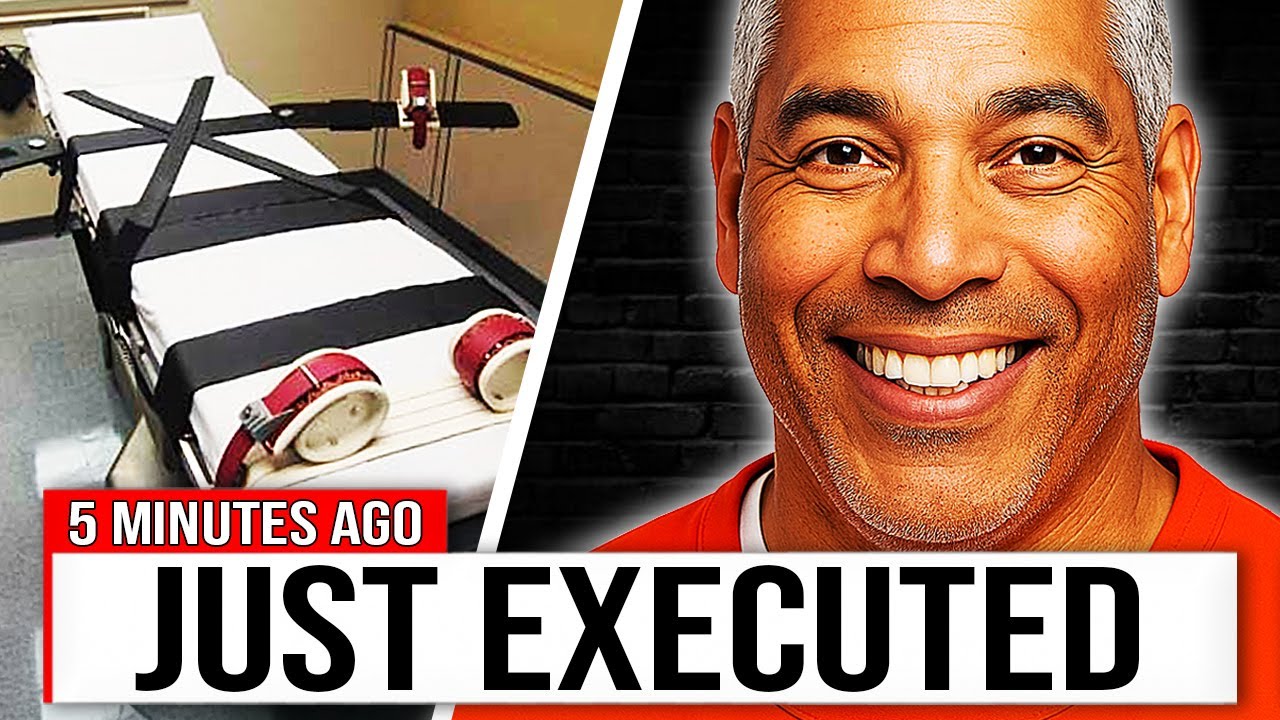 His final statement was brief and, for many who followed the case, chilling: “Thank you for not letting me spend the rest of my life in prison.”
The execution had been scheduled for months, but the weeks leading up to it were anything but routine. Two men who testified against Bell in the 1990s came forward with sworn statements claiming they had lied under oath, allegedly coached by a detective and a prosecutor who wanted Bell convicted at any cost.
The revelations were dramatic. They were not enough to stop the state from carrying out its sentence.
Bell’s case began not with the 1993 double murder that sent him to death row, but with an earlier tragedy that consumed him. In July 1993, his brother Lamar was shot and killed by a man named Theodore Wright outside a Jacksonville bar. The courts ruled the killing was self-defense.
Bell never accepted that ruling. In the months that followed, he told anyone who would listen that he planned to settle the score himself. Through his girlfriend, Erica Williams, he obtained an AK-47 assault rifle, a 30-round magazine, and 160 rounds of ammunition.
The night of December 9, 1993, Bell saw a yellow Plymouth parked outside a Jacksonville liquor lounge and believed it belonged to Theodore Wright. He was wrong. Wright had sold the car to his half-brother, 22-year-old Jimmy West.
West was inside the lounge that night with 18-year-old Tama Smith and a friend. When they stepped outside and climbed into the car, Bell emerged from the darkness wearing a mask. He never asked who was inside.
He simply raised the rifle and opened fire.
Twelve rounds tore through West, killing him instantly. Smith was struck four times and died on the way to the hospital. The third woman dropped to the floorboard and somehow escaped without a scratch.
Bell then turned his weapon toward a crowd waiting in line outside the lounge and opened fire again. Witnesses dove for cover as bullets ripped through the front wall. Stray shots hit a nearby house where three children were inside but, miraculously, none of them were struck.
That night, Bell showed up at his aunt’s house. When she asked what was happening, he stared at her and said: “Theodore got my brother, and now I got his.”
Despite the presence of numerous witnesses, the police did not arrest Bell for another year. The case broke open in an unlikely place: a prison yard. Two inmates, Henry Edwards and Charles Jones, contacted investigators with information about the shooting.
Edwards said he had been there and seen the shooting with his own eyes. Jones claimed Bell had confessed to him. Neither received anything in exchange for their testimony, according to the record.
Then Erica Williams, Bell’s girlfriend, came forward and admitted she had helped him purchase the AK-47 one day before the murders.
Bell was arrested and charged with two counts of first-degree murder. At his trial in March 1995, he claimed self-defense, saying he thought Jimmy West was reaching for a weapon. The jury did not believe him.
They convicted him on both counts and unanimously recommended the death penalty.
 During the sentencing phase, the state presented a security guard who described the chaos of that night, the bullets spraying across the parking lot, and the children inside the neighboring house who had to hit the floor. The state also revealed that Bell had a prior armed robbery conviction from 1990.
What emerged during the trial was even more disturbing. Bell confessed to additional killings that predated the bar shooting. In September 1989, when he was just 19, Bell was driving through Jacksonville with his then-girlfriend, Leesa Coward, and her 2-year-old son, Travis.
An argument erupted inside the car. Bell pulled over, stepped out, and opened fire. His girlfriend and her toddler died at the scene.
He killed her, he later claimed, because she had cheated on him.
Four years later, in August 1993, Bell’s mother’s boyfriend, Michael Johnson, was found dead on a front porch, shot multiple times after an argument. Bell had tracked him down at his house and pulled the trigger.
Three shootings. Five people dead. Bell received an additional 25-year sentence for the earlier killings, but the two death sentences were the focus of his decades-long legal battle.
Over the next 30 years, Bell’s defense attorneys tried everything to overturn his conviction. They argued racial bias tainted the trial, noting that the prosecutor called him a man who lived by the law of the jungle. They pointed to inconsistencies in witness statements.
Every appeal failed.
Then, in June 2025, Florida Governor Ron DeSantis signed Bell’s death warrant. He became the eighth person the state planned to execute that year, a pace not seen in decades. Florida was now carrying out executions faster than any other state in the country.
The unexpected turn came just weeks before the scheduled execution. Henry Edwards, the state’s key witness from the 1990s, signed a new sworn statement admitting he had lied. He said he had not witnessed the shooting at all.
According to Edwards, he was inside a store when the gunfire erupted and only heard the shots. He claimed a detective named William Bolina told him exactly what to say, showed him a photo of Bell, and coached his testimony. In return, Edwards said, he would get time out of jail.
Charles Jones came forward two days later with his own recantation. He claimed the detective and prosecutor George Bate had told him what to say, promising to reduce his own charges. He said his testimony about Bell confessing and trying to sell the murder weapon was rehearsed and rewarded.
Bell’s legal team filed new motions based on these revelations. They argued the convictions rested on fabricated testimony. The judge disagreed, ruling the new claims would not have changed the verdict.
The Supreme Court declined to intervene. The date stayed locked in place.
On Tuesday morning, Bell woke at 6:30. His final meal was modest: an omelette, bacon, home fries, and a glass of orange juice. He met with a spiritual adviser.
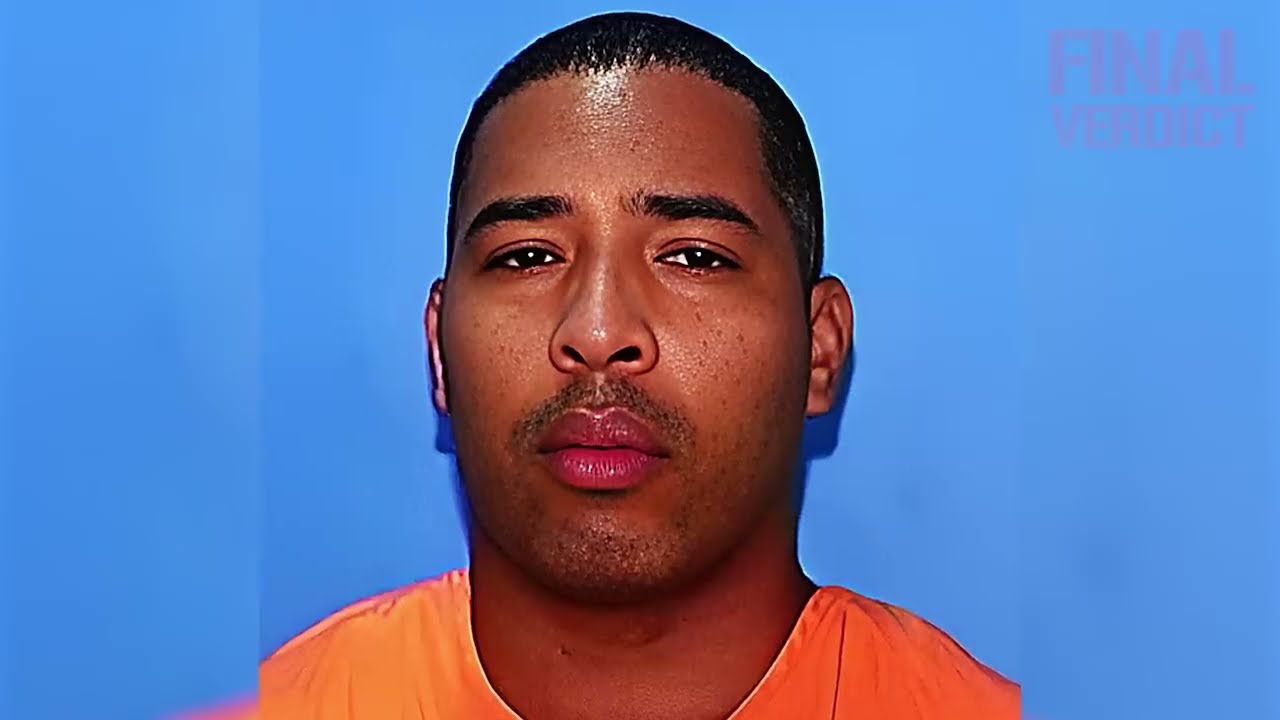 No family members came to visit.
At 6:00 p. m. , he was strapped to the gurney.
The IV lines were inserted. The warden asked if he had any last words.
Bell’s response was calm, almost indifferent. He thanked the state for not letting him spend the rest of his life in prison.
The drugs began to flow. His chest rose once and then settled. At 6:25 p.
m. , he was pronounced dead.
The execution leaves behind a complex legacy of unanswered questions. Did the state execute a guilty man whose conviction was built on manufactured testimony? Or did two jailed men change their stories decades later to create chaos and delay?
The families of Jimmy West and Tama Smith have waited 32 years for this moment. For them, justice has been served. The witnesses who recanted will have to live with whatever truth they have told or withheld.
For Florida, the execution is a demonstration of a state moving quickly to resume capital punishment after years of legal delays. For Bell’s victims’ families, it is closure. For the men who say they lied under oath, it is a burden they chose to carry publicly, however late.
Bell was transported to Florida State Prison in Starke in the days before his execution. The state prison, a sprawling complex of concrete and razor wire, has been the site of every Florida execution since the modern era of capital punishment began.
Witnesses to the execution included members of the victims’ families and representatives of the media. Bell’s attorneys were present but made no public statement afterward.
The autopsy will be routine. The body will be released to a funeral home. The case files, which span more than three decades and contain everything from the initial police reports to the last-minute Supreme Court filing, will be archived.
What remains unresolved is the question of whether the legal system that convicted Bell was tainted by misconduct. The recantations by Edwards and Jones were dramatic, and they came with specific allegations of coercion by law enforcement.
Detective William Bolina and prosecutor George Bate have not publicly responded to the allegations. Their careers, which had been defined in part by this case, now face a new kind of scrutiny.
Bell’s prior convictions, including the killings of Leesa Coward and her toddler son and the murder of Michael Johnson, were not at issue in the recantations. Even if the testimony in the double murder case had been thrown out, Bell still faced significant time in prison for those crimes.
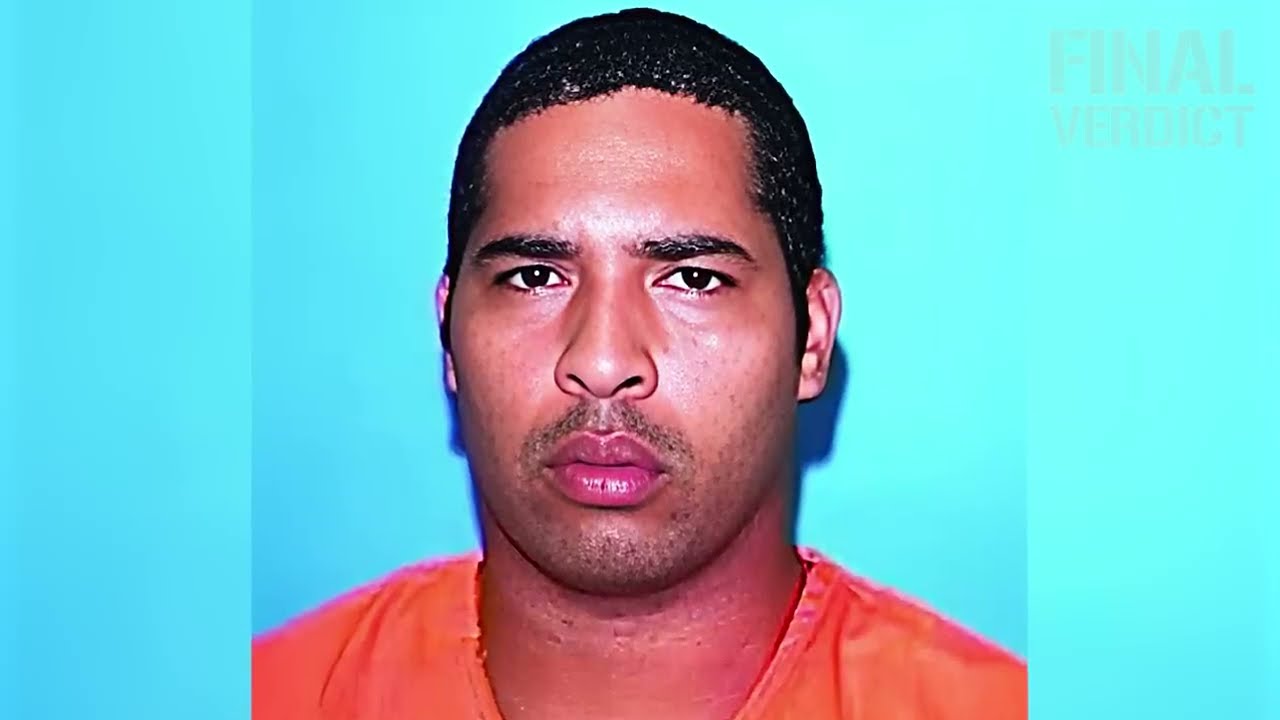 But the death sentence was specifically tied to the 1993 killings of Jimmy West and Tama Smith. And it is those convictions that the recanting witnesses targeted.
Florida’s rapid pace of executions in 2025 has drawn national attention. The state has moved forward with the death penalty at a rate unseen in decades, and Bell was the latest in a series of executions scheduled throughout the year.
The vigil outside Florida State Prison on Tuesday night was small but vocal. Demonstrators held signs calling for an end to the death penalty. None of them knew Bell personally.
They were there on principle.
By the time the sun rose Wednesday morning, the execution chamber had been cleaned. The gurney had been prepared for the next inmate. Florida’s execution schedule continues.
Michael Bernard Bell arrived at death row in 1995. He spent 30 years there. He was 54 years old when he died, older than any of his victims ever had the chance to become.
Jimmy West was 22. Tama Smith was 18. Leesa Coward was a young mother.
Travis Coward was two years old. Michael Johnson was a man with his own complicated history.
Bell’s last words suggested a man who preferred death to a lifetime behind bars. Whether that statement was an admission of guilt, an expression of despair, or a final act of defiance is a question that will be debated by those who followed the case.
The execution was carried out without incident. The drugs were administered as protocol requires. The state pronounced him dead at 6:25 p.
m. The legal process, which had consumed three decades, had reached its conclusion.
What remains is the record: the trial transcripts, the appellate decisions, the sworn recantations, the final meal, the final words. Together, they form the complete picture of a case that tested the limits of the justice system.
Those who believe in the death penalty will point to the brutality of Bell’s crimes and the five lives he took. Those who oppose it will point to the recantations and the possibility that an innocent or wrongly convicted man was put to death.
The truth, as always in these cases, is complicated. Bell confessed to the earlier killings. He never confessed to the 1993 murders.
He maintained his innocence at trial, claiming self-defense. And then he declined to fight for his life in his final moments.
The families of the victims have closure tonight. The witnesses who recanted have to live with their decisions. The state of Florida has carried out its sentence.
And Michael Bernard Bell is dead.