Florida executed Thomas Lee Gudinas by lethal injection on Tuesday evening, ending a 31-year journey through the legal system for the brutal 1994 murder of 22-year-old Michelle McGrath in an Orlando parking lot. He was pronounced dead at 6:13 p. m
at Florida State Prison, becoming the latest figure in a case that haunted the city for decades.
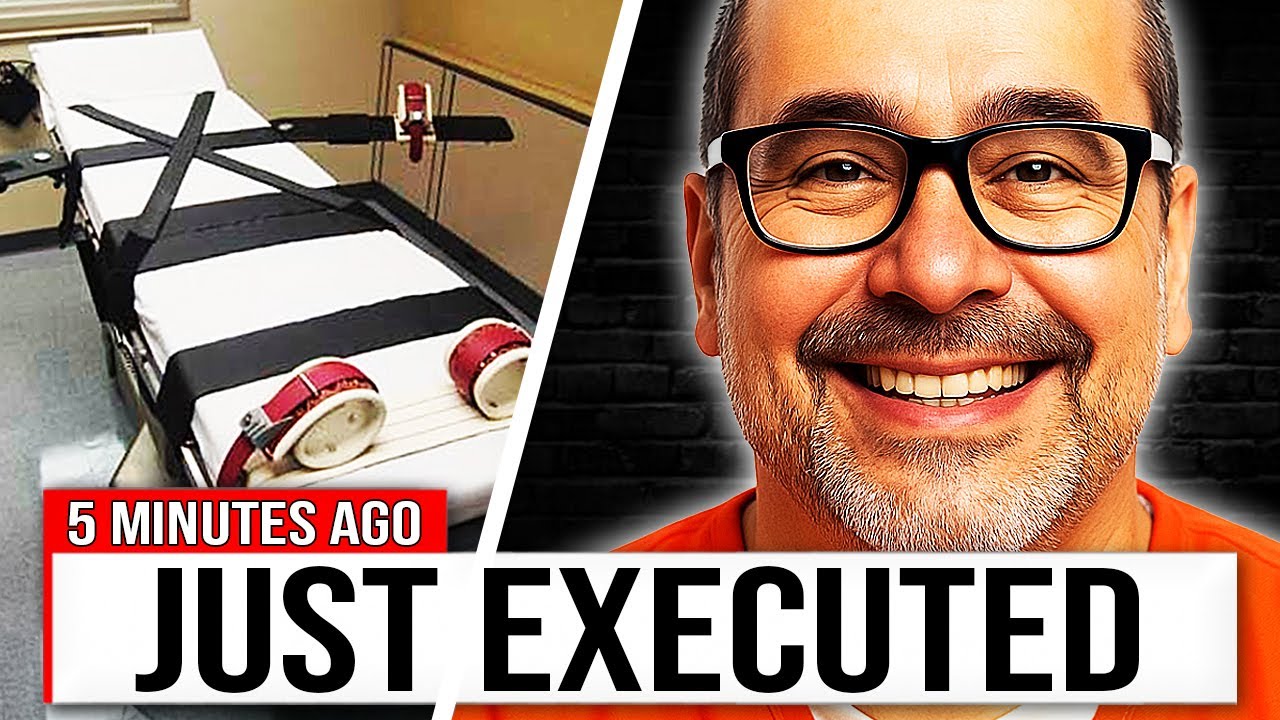 Gudinas, 51, had spent more than three decades on death row after a jury convicted him of first-degree murder in a crime so savage that even seasoned investigators struggled to comprehend it. His final hours unfolded quietly, marked by a single visit from his mother, a modest last meal, and final words that vanished into silence before anyone in the witness room could hear them.
The execution capped a legal battle that extended to the final weeks, with defense attorneys arguing their client suffered from severe mental illness, including psychosis and delusional thinking. They contended that executing a man who may no longer understand why he is being punished would violate the Eighth Amendment’s protection against cruel and unusual punishment. The Florida Supreme Court declined to intervene.
The crime that sent Gudinas to death row began as a night of ordinary revelry on May 23, 1994. Gudinas, then 20, had spent the evening bar-hopping through downtown Orlando with three roommates, starting with beer and marijuana at home before heading to Barbarella’s, a popular nightclub known for its late-night crowd and pulsing music.
Inside the club, the group drank heavily and periodically slipped outside to maintain their high. But when Barbarella’s shut its doors at 3 a. m.
, Gudinas had vanished into the darkness, his roommates unaware that their friend had already begun a terrifying trajectory that would end in murder.
That same night, a woman named Michelle Smith and her fiancé had arrived at the club around 11 p. m. They danced and drank until roughly 2 a.
m. , when Smith headed to the car alone while her fiancé lingered to say goodbye to friends. As she walked through the wrong parking lot, she spotted a man crouched low behind a vehicle, watching her with unsettling intent.
Smith turned and quickened her pace, trying to shake the feeling of being followed. She reached the correct lot, unlocked her car, slid inside, and hit the lock button. But when she looked into the rearview mirror, the same man was there again, closer now, yanking on the passenger door handle in a desperate attempt to force his way in.
Finding the door locked, he circled the vehicle, crouched once more, and tried the driver’s side door. It too was locked. That is when he snapped, shouting something incoherent as he covered his hand with his shirt and began smashing it into the window repeatedly.
The glass held, but so did Smith’s panic, and she slammed her hand on the horn in a desperate plea for help.
The sound pierced the quiet night like a siren, and the man froze before running into the shadows. But what Smith did not know was that he had not run far. He simply hid and waited, watching for his next opportunity.
 Just an hour later, he found it in the form of Michelle McGrath.
McGrath had also been at Barbarella’s that night, a recent college graduate with her entire future ahead of her. She was there with her fiancé, and like Smith, she left first to retrieve the car. But she did not get as lucky.
Somewhere between the club and the parking lot, she vanished without a trace, leaving her fiancé to search futilely through the empty darkness.
The next morning, Officer Chisari was on bike patrol when a man named Colbert Presley flagged him down, having spotted a pile of clothes and car keys near a parked red Geo Metro. Before the officer could process the scene, a scream shattered the morning calm. Around 7 a.
m. , school employee Jane Brand had arrived at the Pace School and noticed a young man sitting on the steps in the courtyard.
The man appeared ordinary, with short brown hair and a slouched posture, dressed in baggy dark shorts. But when Brand told him he could not be there, he did not answer. He stood slowly, fumbling with the front of his shorts as if tucking something in, then climbed over a brick wall and vanished down an alley without a word.
Brand followed, unsettled by his strange behavior, and that is when she saw her: Michelle McGrath, crumpled in the dirt, naked and lifeless. Her clothes were gone except for a bra pushed halfway up her chest. Brand screamed, and the search for answers began in earnest.
Meanwhile, Gudinas had returned to McGrath’s abandoned car, grabbed her keys and remaining clothes, and sped off in the red Geo Metro, trying to escape before anyone could stop him. But the walls were already closing in around him. When the murder hit the news, Smith went straight to police and described her attacker in vivid detail, picking Gudinas out of a photo lineup without hesitation.
Brand, the school employee who found the body, initially hesitated when shown the same lineup. But later, after seeing a news clip of Gudinas walking, everything clicked. She recognized the same figure she had seen on the school grounds that morning, and the identification solidified the case against him.
Back at Gudinas’s apartment, his roommates had already begun noticing disturbing signs. He had not come home with them after the club, but by the next morning he was back covered in blood, his hands torn up and knuckles scraped raw, his boxers soaked in something dark. He claimed he had been in a fight with two men, but his story quickly unraveled.
 One roommate, half joking and half curious, asked whether McGrath had been good. Gudinas did not flinch. He smiled, calm and unbothered, and replied, “Yeah,” adding that he had intercourse with her while she was dead.
Another roommate heard him repeat the confession with the same cold composure: “I killed her, then I had sex with her.”
The forensic evidence at trial painted an even more horrifying picture. Medical examiner Dr. Heagert testified that McGrath died from massive head trauma, her skull crushed by what appeared to be the stomp of a heavy boot.
Her brain had swollen, and the hemorrhaging killed her sometime between 3 and 5 a. m. , with bruises and cuts on her hands showing she had fought back.
What followed was savage and deliberate. McGrath was assaulted vaginally and anally with broken pieces of a stick, one fragment jammed two inches deep and another pushed in even farther, with additional trauma suggesting a second object or attack. Gudinas’s DNA was found on her body, and his fingerprints were discovered on a gate near the alley and inside her car.
His own roommates testified against him, confirming he was at the club around 1 a. m. but vanished by the time they headed home, returning later covered in blood with a fabricated story.
The evidence left little room for doubt, and the jury did not hesitate, finding Gudinas guilty on every count and voting 10 to 12 for the death penalty.
On June 16, 1995, a Florida judge sentenced Gudinas to die for the first-degree murder of Michelle McGrath, adding 30 years for attempted burglary with assault, 30 more for attempted battery, and life sentences for each count of battery. He was also convicted of the earlier attack on Smith, though that charge related to the attempted break-in.
The trial also revealed a tragic and chaotic background. Gudinas’s mother, Karen, described a pregnancy that nearly broke her and a birth that nearly killed her son, followed by six months of fevers, breathing problems, and endless doctor visits. By the time he could walk, he was having tantrums that lasted hours, with teachers flagging him as hyperactive and unmanageable.
His younger sister testified about their father’s brutality, recalling how he once held young Thomas’s hand over an open flame as punishment for playing with matches. Another time, after the boy wet the bed, his father forced him to stand outside half-naked holding a sign that read, “I will not wet the bed.” Things improved after the divorce, but the damage was already done.
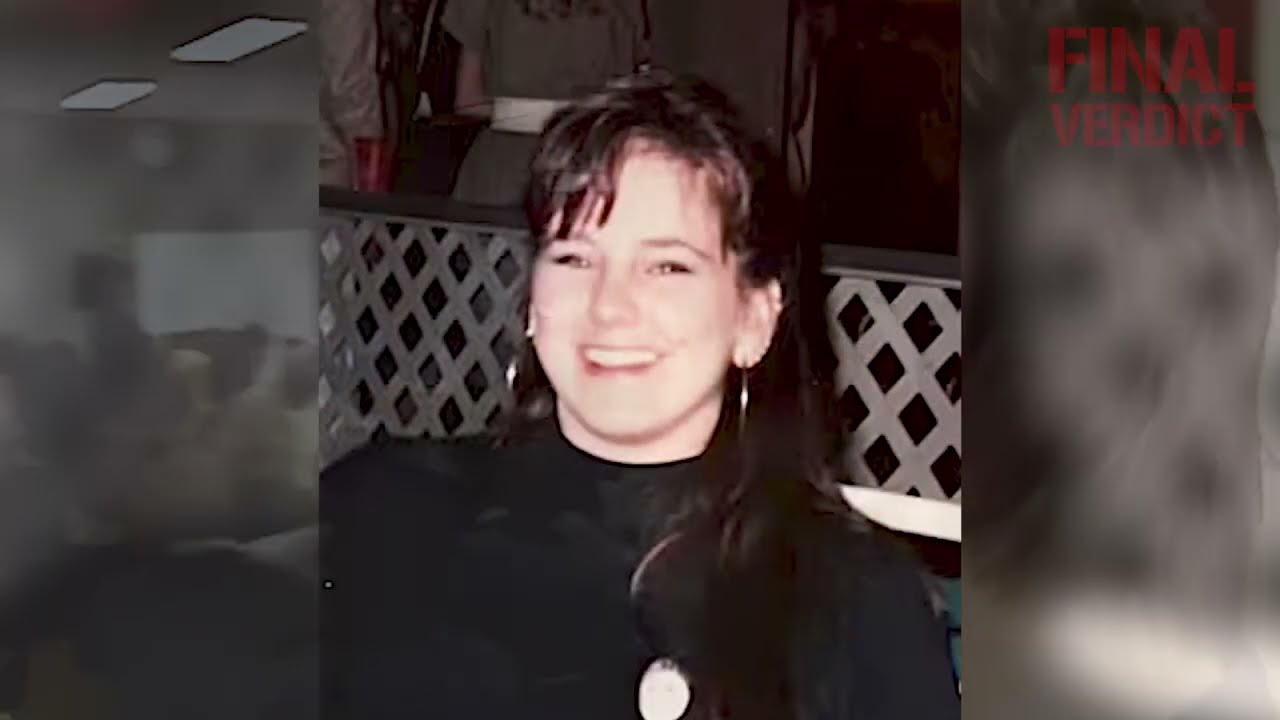 Gudinas was moved through 105 different placements over several years, only made it through fourth grade in regular school, and was diagnosed with a low IQ of 85. He began drinking as a child, then moved to marijuana, cocaine, and LSD before turning 18. At trial, his lawyers argued he suffered from bipolar disorder and severe mental illness, but the courts rejected those claims.
In the weeks before the execution, his legal team made one final push, filing with the Florida Supreme Court that Gudinas’s psychosis and delusional thinking had deteriorated so severely that he might not understand why he was being punished, a key legal requirement in death penalty cases. The appeal failed, and the outcome remained unchanged.
On the morning of June 24, 2025, Gudinas woke at 4:45 a. m. , alone with his thoughts.
He received just one visitor that day: his mother. There was no spiritual adviser, no final prayers offered by clergy, just silence and the slow ticking of time as the clock wound down toward the appointed hour.
For his last meal, Gudinas requested a pepperoni pizza, french fries, and a soda. At 6 p. m.
, he lay strapped to the gurney wearing a plain white shirt and dark pants. From a distance, he appeared calm, with healthy color in his skin and no visible signs of fear or pain as the curtain rose before the witness room.
Gudinas scanned the room slowly, his head turning slightly, but offered no visible reaction. He did attempt a final statement, but it was spoken so softly that no one in the witness room could hear it, lost beneath the hum of air conditioning and the distance of the microphone. It seemed to be a short prayer, but as of now, those words have not been released.
When the lethal drugs began to flow, his breathing shortened. He blinked a few times, remained alert for a moment, then faded. Within four minutes, he appeared unconscious.
Guards conducted standard checks, leaning in to call his name and flick at his eyelid, but there was no response. The signal was given for the next two doses.
At 6:13 p. m. , Thomas Lee Gudinas was pronounced dead.
He was 51 years old, three decades removed from the night he stalked two women through the streets of Orlando and ended the life of a young woman with dreams ahead of her. The state of Florida had carried out the sentence that jurors delivered in 1995.
For the family of Michelle McGrath, the execution brings a measure of closure after more than 30 years of appeals, delays, and legal maneuvering. For Gudinas, the journey that began with a troubled childhood in Massachusetts and spiraled through violence, addiction, and murder has finally reached its end in a Florida execution chamber.