More than a decade after the Fort Hood shooting that shocked the United States military, Nidal Malik Hasan remains one of the most notorious figures in modern U.S. military history. His case raised serious questions about warning signs, intelligence failures, and whether authorities could have prevented the tragedy.
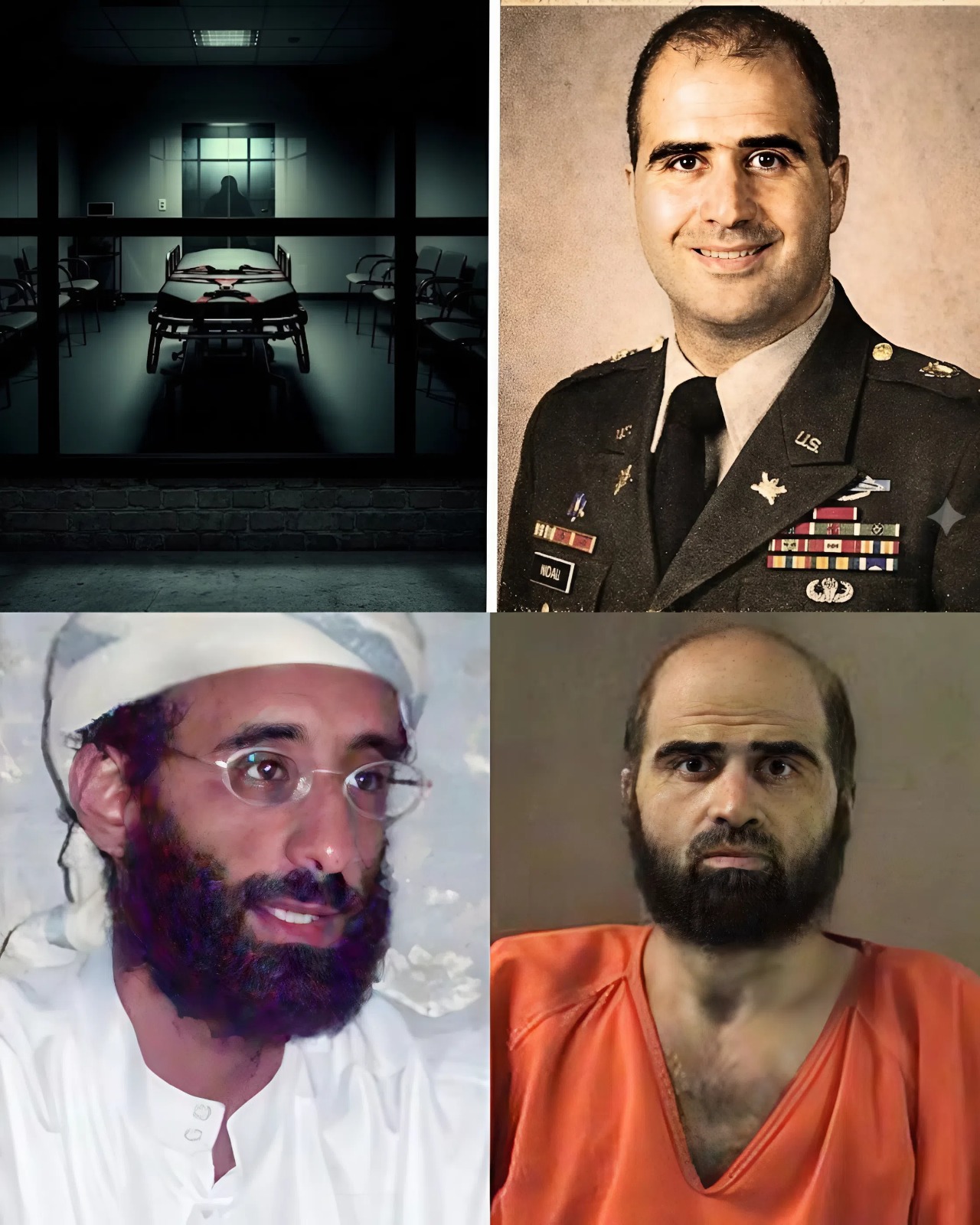
The Fort Hood Attack
On November 5, 2009, then-Army Major Nidal Malik Hasan opened fire at Fort Hood, Texas, killing 13 people and injuring more than 30 others. The attack occurred at a military processing center where soldiers were preparing for deployment.
The shooting became one of the deadliest attacks ever carried out on a U.S. military installation. The victims included soldiers, civilians, and members of the military community who were preparing to serve their country.
Warning Signs and Controversy
Before the attack, concerns had been raised about Hasan’s behavior and communications. Reports later revealed that U.S. intelligence agencies had reviewed some of his contacts with individuals linked to extremist views.
The FBI examined certain communications but determined at the time that there was insufficient evidence to open a full investigation. After the shooting, questions emerged about whether those warning signs should have been treated differently.
The case became a major discussion point about intelligence sharing, military oversight, and the challenges of identifying potential threats before violence occurs.
Trial and Death Sentence
Hasan was convicted in a military court in 2013 and sentenced to death. He was found guilty of multiple counts of premeditated murder and attempted premeditated murder.
His conviction made him one of the few U.S. military personnel sentenced to death in the modern era. However, his execution has remained delayed for years due to the lengthy military appeals process.
Life on Death Row
Hasan remains incarcerated at the United States Disciplinary Barracks at Fort Leavenworth, Kansas, under the conditions faced by military death row inmates.
His future remains tied to the appeals process, with legal challenges continuing after his conviction. Unlike ordinary prisoners, military death row cases can take many years to reach a final resolution.
A Case That Still Raises Questions
The Fort Hood attack continues to be remembered not only for the lives lost but also for the unanswered questions surrounding prevention and accountability.
For the families of the victims, the tragedy represents a loss that can never be reversed. For the military and intelligence communities, the case remains a painful example of the consequences when warning signs are not fully understood.
Nidal Malik Hasan’s name remains permanently linked to one of the darkest days in U.S. military history — a case where 13 people died, investigations followed, and questions about what could have been done differently continue to echo years later.