MICHIGAN CITY, Ind. — The state of Indiana carried out the execution of Benjamin Ritchie early Tuesday morning, ending a 25-year legal battle for a man convicted of fatally shooting a police officer who was pursuing him after a stolen van chase.
Ritchie, 45, was pronounced dead at 12:46 a. m. at Indiana State Prison after receiving a lethal injection of pentobarbital.
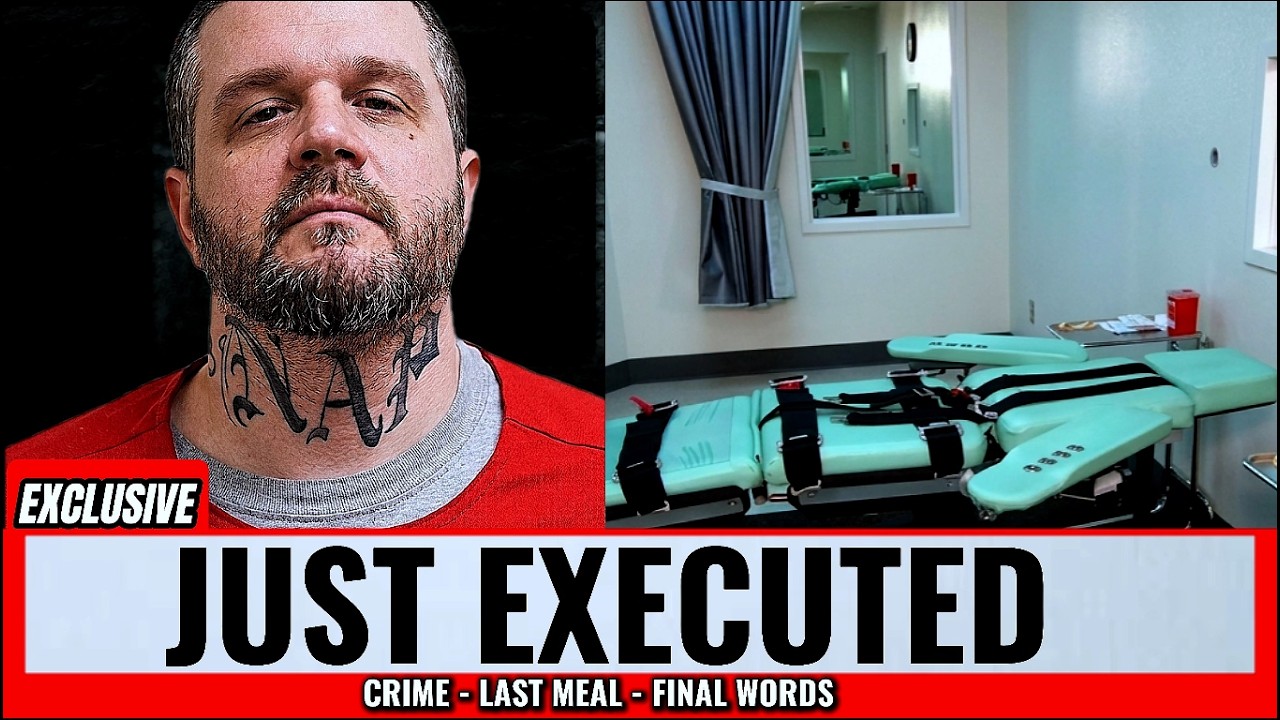 His death brings a close to a case that has haunted the Beech Grove community since the autumn of 2000, when a routine patrol response spiraled into a tragedy that would define two families for generations.
The final moments inside the execution chamber were not without controversy, as witnesses reported an unexpected physical movement from Ritchie shortly after the drug began flowing. Defense attorney Steve Shoda, who was present in the witness room, described the inmate lifting his head and shoulders violently from the gurney, an account corroborated by two other witnesses on Ritchie’s behalf.
The Indiana Department of Correction swiftly denied that the execution had been botched, insisting the process had unfolded without complication. With media barred from the chamber and restricted to the prison parking lot, the eyewitness accounts from Ritchie’s legal team remain the only independent record of what transpired in his final minutes.
Ritchie’s journey to death row began when he was just 20 years old, a young man whose life had been marked by profound neurological damage from birth. Born Benjamin Donnie Peoples on May 3rd, 1980, he entered the world compromised, his mother having consumed alcohol and drugs throughout her pregnancy.
Medical experts later diagnosed him with partial fetal alcohol syndrome, a condition that left his brain permanently damaged and his cognitive functioning comparable to someone living with an intellectual disability. The damage was compounded by excessive lead exposure during his early years, a second blow to a neurological system that never had the chance to develop properly.
He grew up in an unstable home with no structure or guidance, struggling in school not from a lack of desire but because the very organ that should have helped him navigate the world had been compromised before he ever set foot in a classroom. The system failed to intervene, and by his teenage years, the path ahead had narrowed to almost nothing.
In 1998, Ritchie was found guilty of burglary and placed on probation, a second chance that did nothing to redirect his trajectory. He continued running with a circle of associates heading nowhere, young men with no anchor and no real understanding of the consequences waiting at the end of the road they were traveling together.
Among them were Michael Greer and Michael Moody, two names that would later appear alongside his own in court documents. On the evening of September 29th, 2000, the three young men stole a van from a local gas station in Beech Grove, a quiet community of roughly 14,000 people just southeast of Indianapolis.
The theft was reported almost immediately, and approximately two hours later, Beech Grove police officer Matthew Hickey spotted the stolen vehicle while out on patrol. The pursuit began, with the van accelerating hard through neighborhood streets before crashing violently into a residential yard.
 The doors flew open and the occupants scattered in opposite directions. Officer Hickey went after Greer, while 31-year-old officer William Ronald Tony pursued Ritchie on foot through several yards and into the backyard of a property on Fletcher Avenue.
Tony was closing the gap with every step when Ritchie stopped, turned, and raised a 9-mm Glock handgun. He fired four shots, one of which missed the edge of Tony’s ballistic vest by less than an inch, severing an artery, puncturing his lung, and lodging deep into his vertebrae.
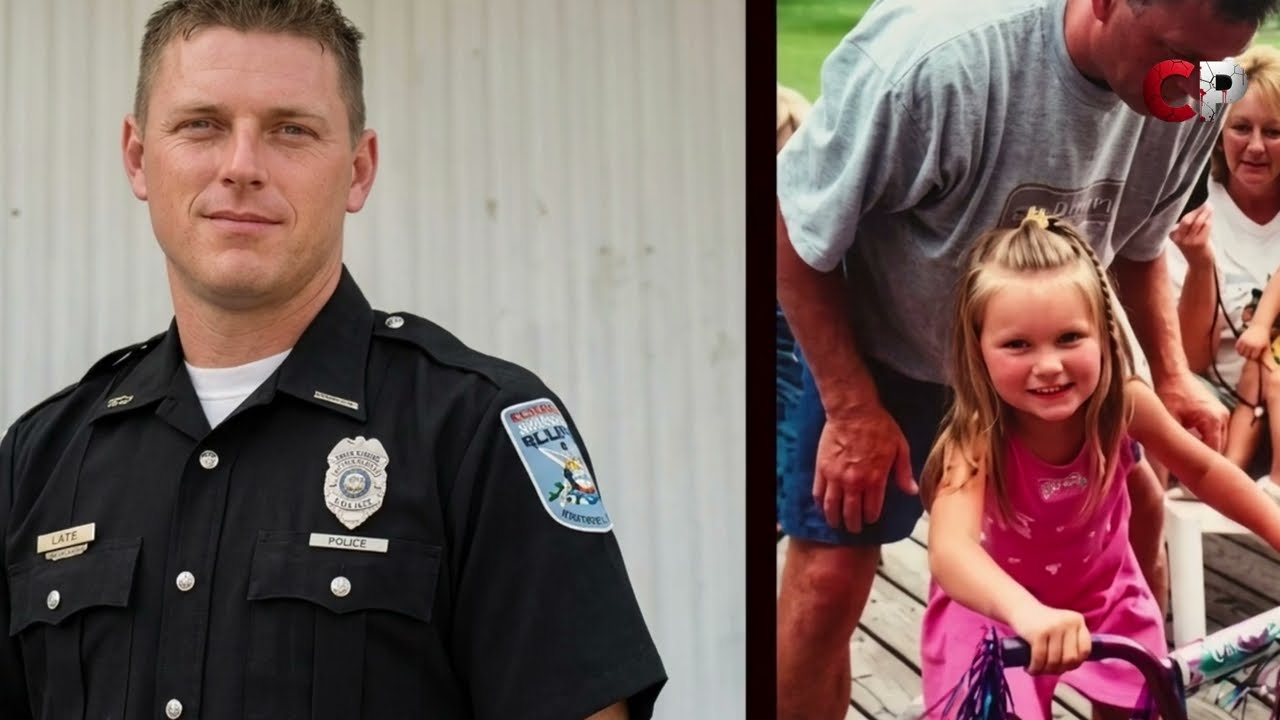
Tony was rushed to hospital, but an hour later, he was pronounced dead. William was born on September 30th, 1968, in the same community he would one day pledge to protect. He had joined the Beech Grove Police Department on May 26th, 1998, serving alongside just 30 other officers in a town of 14,000 people.
Colleagues described William as genuinely present, someone who engaged with the people around him rather than simply patrolling past them. Deputy Chief Tom Hurl said everyone involved had something stolen from them that they would never get back.
Outside the badge, William was a husband to his wife Didi and a father to two young daughters. He never turned 32, his birthday falling on the morning after he was killed. The Beech Grove Police Department mourned him as the first officer in its history to be killed by gunfire in the line of duty.
After the shooting, Ritchie stripped off a wig he had been wearing, ditched it alongside the handgun in nearby shrubbery, and disappeared into the surrounding streets on foot. He made his way to the home of Michael Moody, where he spent the night rather than fleeing the state.
Investigators traced his movements directly to Moody’s address, and on the morning of September 30th, less than 24 hours after Tony was pronounced dead, police arrived and took Ritchie into custody without incident. The Marion County Prosecutor’s Office filed initial murder information against him on October 4th, 2000.
The charges were substantial: murder, auto theft, unlawful possession of a firearm, and resisting arrest. Ritchie faced the court in 2002, with the prosecution building its case around the events of that Friday night. The physical evidence was solid, including the recovered Glock and the discarded wig.
 One moment from the trial would haunt Ritchie for the rest of his life. Didi Tony was present in the courtroom with things she needed to say, but Ritchie spoke out dismissively, denying her the moment she had come there for. Years later at his clemency hearing, he addressed it directly, saying William’s wife deserved to say everything she needed to say.
The jury returned a guilty verdict on all counts, and on October 15th, 2002, the trial judge imposed the death penalty. Ritchie was sent to Indiana State Prison in Michigan City, where he would spend the next two and a half decades appealing, filing, and arguing every legal boundary available to him.
His legal team challenged the conviction on multiple grounds, with the central argument focusing on his partial fetal alcohol syndrome and the failure of his trial counsel to investigate or present that evidence to the jury. A geneticist formally diagnosed him with the condition during his appeals process.
Two independent experts evaluated him and concluded that his brain damage limited his functioning to a level comparable to someone with an intellectual disability. The Indiana Supreme Court unanimously agreed that Ritchie had brain damage caused by prenatal exposure to alcohol and other toxins.
However, the court split two to two on whether he should be allowed to present evidence of how that damage affected his behavior on the night of the crime. The split meant the evidence was not admitted, and Indiana Chief Justice Loretta Rush was overruled in her preference for more time to consider the expert evaluations.
Indiana had not carried out an execution in 15 years due to a nationwide shortage of lethal injection drugs. That changed on December 18th, 2024, when the state executed Joseph Corcoran, convicted of shooting four people to death in 1997, ending the long hiatus.
Immediately after, the state requested an execution date for Ritchie, and the Indiana Supreme Court set May 20th, 2025. On May 5th, Ritchie appeared before the parole board, hands shackled and a cross necklace around his neck, and wept as he addressed the five-member panel.
That night was a train that left the station with no brakes, he said. Multiple bad decisions led to losing the life of a man that should be here today. He said there was not a night that went by that he did not think about William Tony, and he expressed remorse for being a kid who did not care about himself or anybody else.
 On May 12th, a second clemency hearing was held in Indianapolis, where friends and family of William Tony testified. Didi stood before the board and delivered her verdict in nine words: It is time. We are all tired.
The parole board recommended the execution proceed, and Indiana Governor Mike Braun accepted the recommendation.
On the evening of May 19th, Ritchie spent his final hours receiving visits from those closest to him. His attorneys left the prison around 6:00 in the evening, and he was permitted to make several final phone calls. The United States Supreme Court denied a last-minute stay of execution hours later.
Before the execution, Ritchie was granted one last request for a final meal. He ordered the Tour of Italy from Olive Garden, a combination plate of lasagna classico, fettuccine alfredo, and chicken parmigiana. It was a generous, full meal from a family restaurant chain that meant something to him personally.
Shortly after midnight on May 20th, the process began. Ritchie was brought into the execution chamber and strapped to the gurney, with intravenous lines inserted into his arms. The single drug selected for his execution was pentobarbital, sourced from an undisclosed supplier that the state refused to identify publicly.
When asked if he had a final statement, Ritchie looked toward his witnesses and spoke quietly: I love my family, my friends, and all the support I have gotten. I hope they all find peace. Those were the last words Benjamin Ritchie ever spoke.
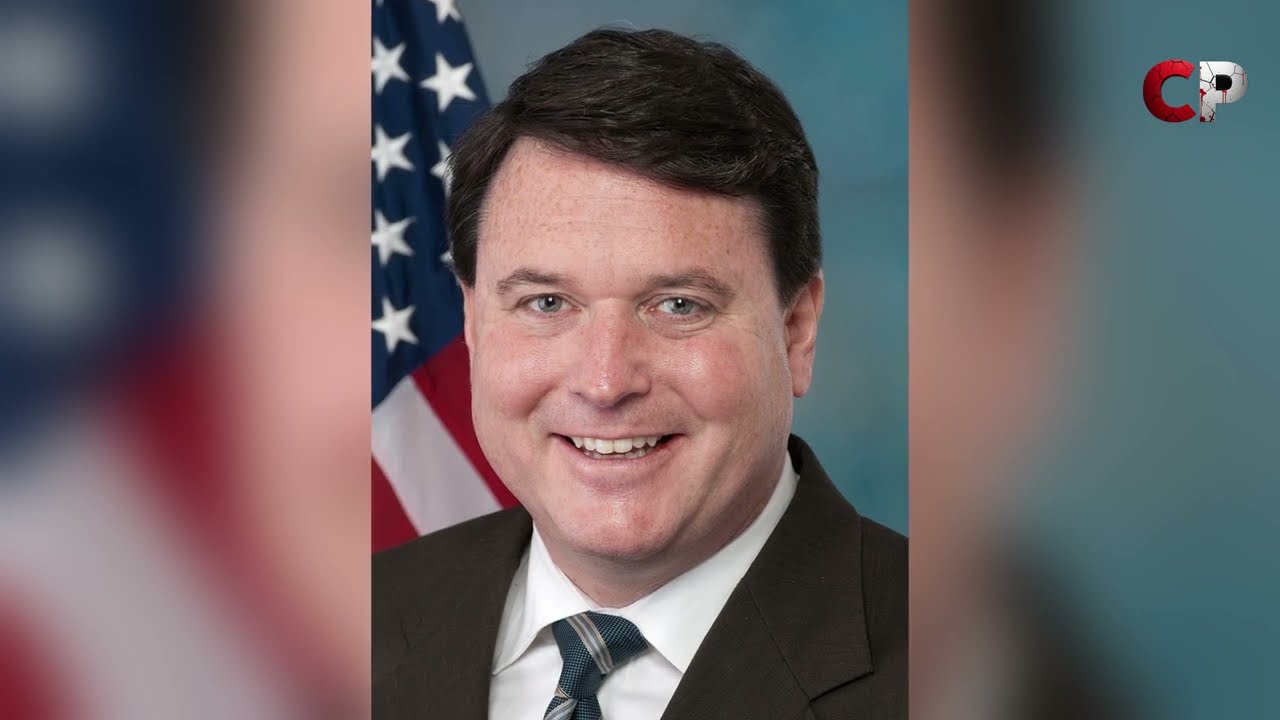
Indiana Attorney General Todd Rokita released a statement shortly after the execution, saying justice was done to honor Officer Tony’s sacrifice for his community. Indianapolis FOP President Rick Snyder added his own words, closing with a passage from scripture: Blessed are the peacemakers, for they shall be called children of God.
William Ronald Tony left for work on the evening of September 29th, 2000, the same way he had every shift before, badge on and ready to serve the community he had grown up in. He never came home. His daughters grew up without a father, and Didi carried the weight of that night through every season that followed.
She waited 25 years for a chapter that refused to close, and it finally closed at 12:46 in the morning on May 20th, 2025. Benjamin Ritchie came into this world with damage that was not his fault, but none of that absolved him of what he chose to do on Fletcher Avenue. None of it brought William Tony back, and none of it gave those two daughters their father.
As this story ends, it is worth remembering that two families were destroyed that night, and a community lost one of its own.