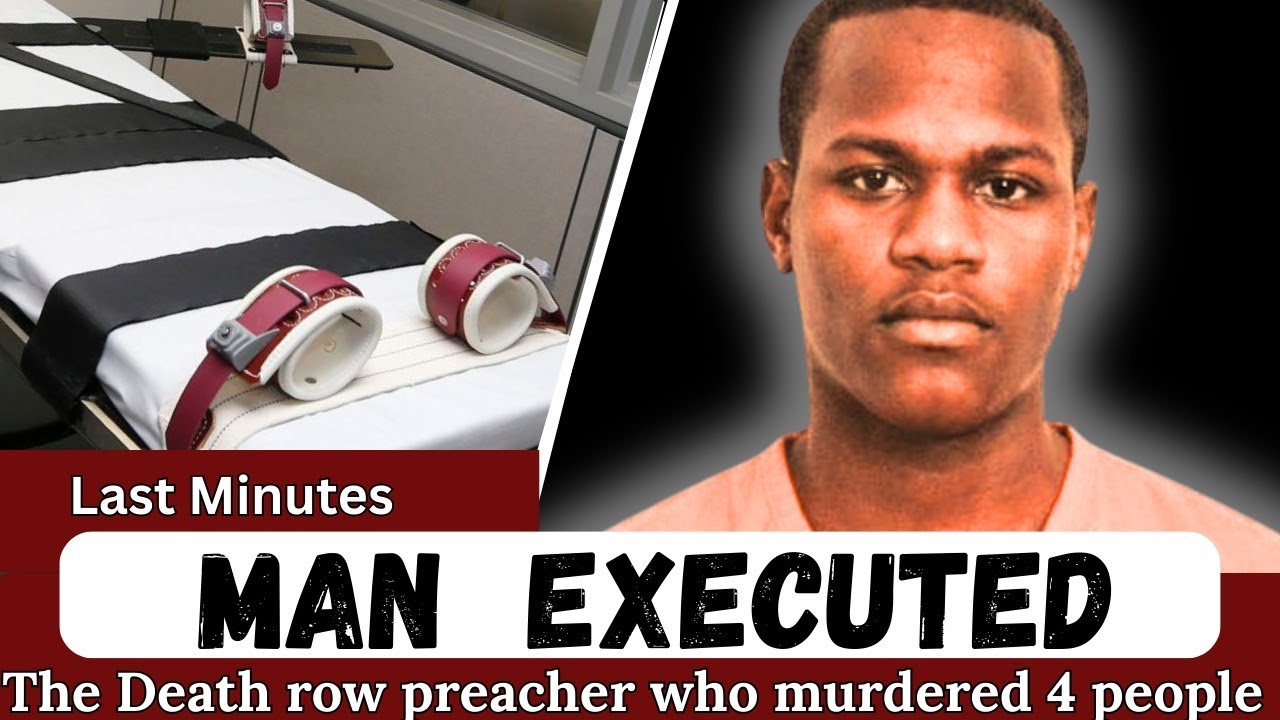
The final hymn hung in the sterile air of the Georgia Diagnostic and Classification Prison, a fragile melody against the cold mechanics of state-sanctioned death. At 12:58 a. m.
on September 30, 2015, Kelly Gissendaner was pronounced dead, her voice fading into silence as the lethal injection took its course. She had not spoken her last words; she had sung them, offering the haunting refrain of “Amazing Grace” to the witnesses behind the glass. With that breath, she became the first woman executed by the state of Georgia in seventy years, closing a chapter of a case that had been defined not by a single violent act, but by the invisible threads of manipulation, intent, and a plan that prosecutors said was orchestrated from the shadows.
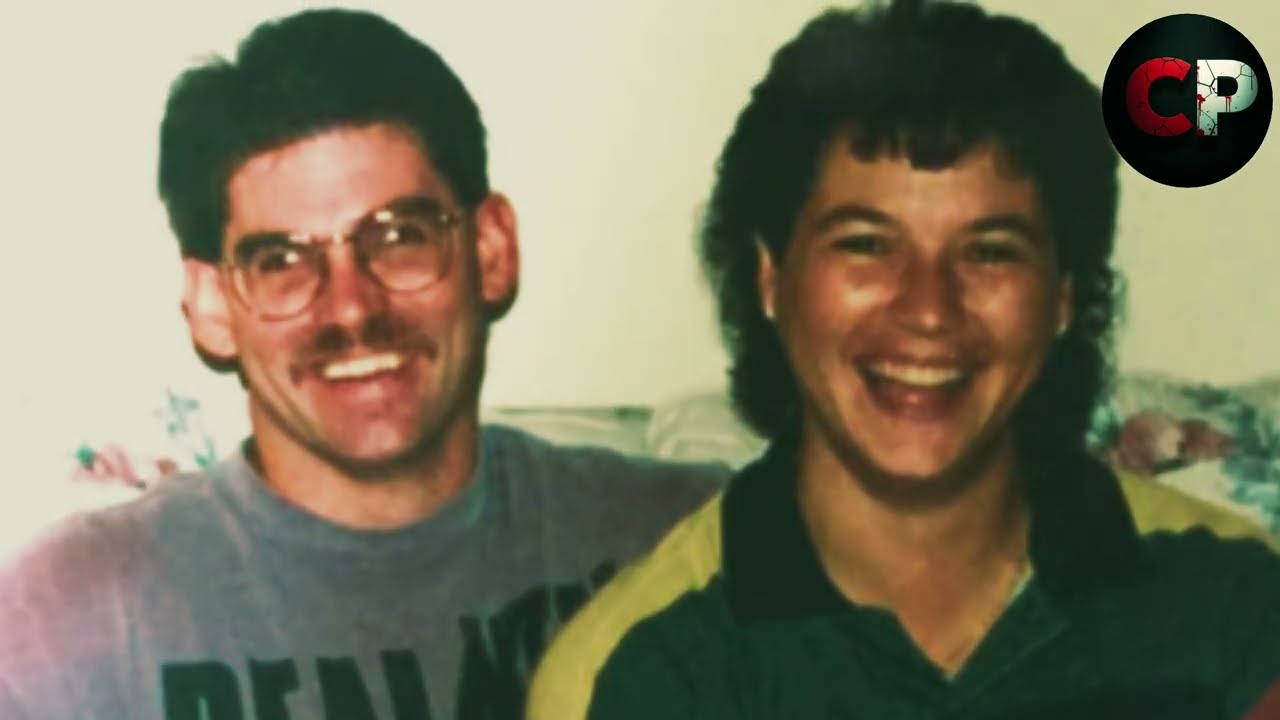
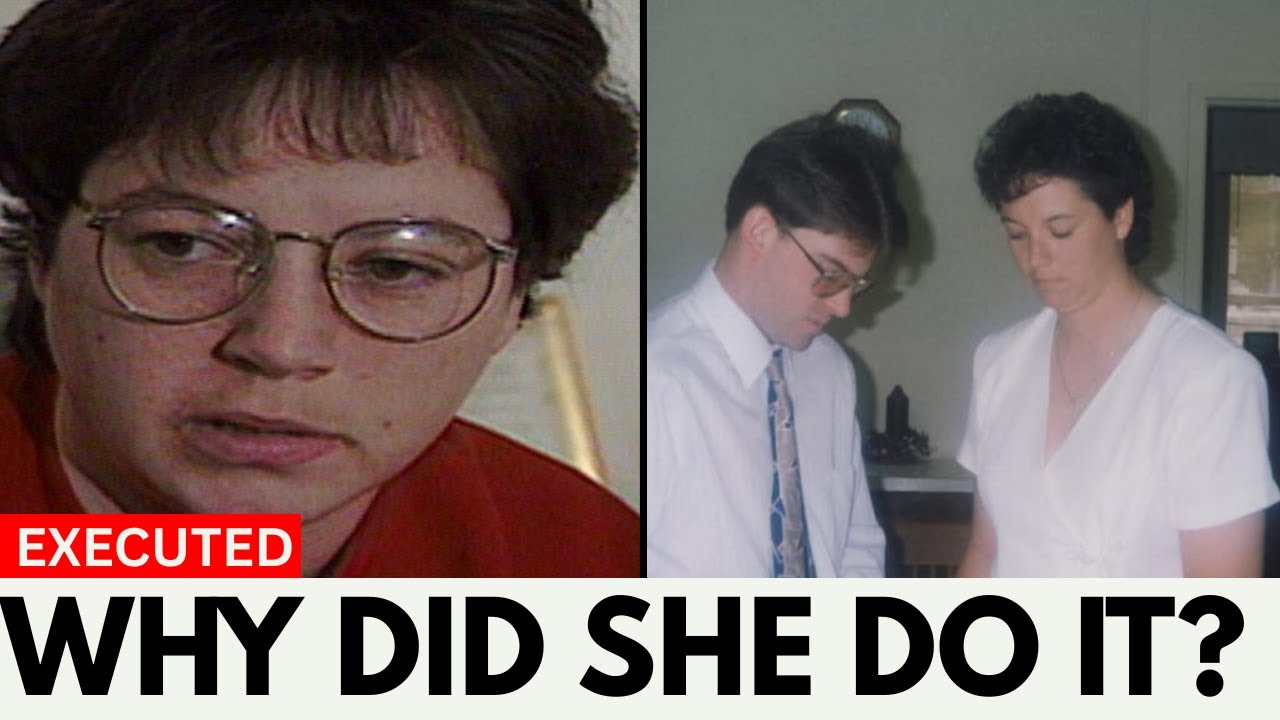 The trajectory that ended in that execution chamber began not with a murderer, but with a woman leading an ordinary, albeit troubled, life. Kelly Gissendaner was a Georgia native, a mother, and a wife trapped in a marriage that had curdled into resentment and emotional exhaustion. There was no dramatic flashpoint, no public unraveling.
Instead, the life she shared with her husband, Douglas, was marked by a slow, grinding distance that made the relationship a prison of its own accord. By all accounts, the couple’s union was dying a quiet death, frayed by arguments and instability that never settled into peace. Yet, the state would argue, this quiet dismantling was not the end of the story; it was the prelude to a crime built on cold calculation.
In the months preceding the murder, Kelly became entangled in an affair, a secret relationship that prosecutors would later claim served as a catalyst and a reward. Initially, the conversations with her lover were framed as mere venting, a release valve for the pressures of her unhappy marriage. But the narrative changed when the state argued that these conversations evolved from complaints to coordination.
It was a secret, intimate history of words read over phone records and dissected in court, words that allegedly outlined a future free of Douglas, a future made possible only through his absence. The quiet nature of this plot was chilling; there was no violent history, no public alarm, only private decisions made out of earshot of the man who was walking into a trap.
The murder itself unfolded on a night distinguished by its brutal lack of spectacle. It was quiet and dark, an ordinary setting in which the extraordinary crime was meant to remain hidden. Douglas, having been lured out under false pretenses, relied on a trust that had never been betrayed before.
He was ambushed, and his life was extinguished in a moment of calculated violence. Kelly was not present. That single fact became the battleground for her defense.
She repeatedly pointed to her absence as proof she was not a killer. Yet, investigators looked past the blood and saw the blueprint. They saw the empty space where a conscience should have been, the empty space where Kelly should have been.
The absence they saw was not just physical; it was moral.
The investigation into Douglas Gissendaner’s death was swift, narrowing on the people closest to him. Detectives pulled the threads of phone records with the precision of a surgeon, tracing the communication traffic between Kelly and her boyfriend. What they found suggested a timeline that contradicted the grieving widow persona she presented.
Timelines shifted, stories changed, and the small inconsistencies began to form a larger, more damning picture. Kelly’s boyfriend was brought in, and under pressure, the story began to crumble. He confessed to the physical act but insisted he was not the architect.
 With chilling clarity, he implicated Kelly, alleging she had orchestrated the entire plan, rooted him on, and promised a future that could only exist if Douglas was gone.
This confession was a seismic shift, transforming Kelly Gissendaner from a widow into a mastermind. Prosecutors in Georgia did not balk at the challenge of a murder without a physical perpetrator. This was their legal linchpin, their primary strategy.
They painted a portrait of a woman who had manipulated the fatal event into action, a person whose intent was merely as lethal as the weapon itself. For Kelly, the legal system became a vice closing in. Her contention that the words were just fantasy met the stonewall of the law that stated a plan, an encouragement, was the action that filled the void.
Her life, once routine, was replaced with a gurney on the horizon.
When the trial commenced, the prosecution did not rely on forensic drama, evidence of blood, or confusion over the killer’s identity. They sought to establish a more complex truth: causality. Through a dour labyrinth of recordings, testimony, and telephone logs, they argued Kelly did not just complain about her husband but drove the idea of murder to its inevitable end.
The defense fought back, claiming the boyfriend was a self-serving liar, a man with everything to lose who had shifted the blame to save his own skin. They asserted that a women’s verbalization of anger during a failed marriage was a far cry from signing a death warrant. Yet, after weighing the credibility of a witness, the jury sided with the state.
The verdict was unequivocal: Guilty of murder. The jury’s decision carried a weight that put all the fabric need of the case into existence. The firm belief that in the eyes of the law, the architect of a plot is a killer, even when they don’t know the taste of blood.
The punishment phase was swift and brutal. The prosecution argued for the ultimate severity, painting the crime as a cold, calculated hustle for personal gain. The defense pleaded for mercy, mentioning motherhood and a lack of personal violence, but the jury’s verdict was the state’s harshest.
Kelly was led away, condemned to death row. The label of “infamous” hung on her shoulders as her children wept in the gallery, having lost their father to violence and now, their mother to a sentence.
 Death penalty sentences often transcend years through a series of appeals, and Kelly’s story took a turn that would divide the public and challenge the notion of justice itself. The woman who entered death row as a cunning protagonist was reported to have undergone a profound transformation within the surrounding silence of prison walls. She consumed theology with a fervent hunger, became a consoler to the warden and their inmates, and mentored the broken.
This was not a publicity stunt for the cameras. This was for the people who watched her day in and day out, from the prison guards to the chaplains, who saw a genuine and permanent change in a woman who, on paper, was undeniably a killer.
The conversion started a chorus of voices, not from the public or legal advocates, but from the very people paid to look upon her with suspicion. Correctional officers, trained to spot manipulation, wrote letters to the parole board, saying they believed her redemption was authentic. They claimed she had potential for good, de-escalating threats and preventing violence within the prison walls.
This created a profound legal and ethical crisis, a moral dilemma that forced the world to confront the value of redemption against the finality of justice. Would they kill the woman she had become, or the woman she used to be? This central tension defined the final years of her life as the cycle of scheduled executions and last-minute stays played out.
The efforts to obtain clemency were monumental. Her case went before the Georgia Parole Board, who listened to a rare and powerful gathering of testimonies. The light shone on the new Kelly, the counselor, the pastor, the reformed soul.
Yet the board had a grim record and respect for the letter of the law. The horrific deaths of Douglas, followed the planning that led to his brutal end, outweighed the potential peace she found within a cage. The plea for mercy was denied.
In a strange twist of fate, Mother Nature provided a stay of execution earlier that year, but it was a temporary respite. The machinery of the state was not deterred by the storm, and a new date was set: September 29, 2015.
The countdown to death was a quiet procedure for the instigator. There were no last-minute voice-calls that could turn the tide. The court system had no more veins to listen to.
Kelly entered the final hours with a reported sense of resolve. The last meal, a collection of foods seemingly chosen without curiosity, Texas nachos with fajita meat, was eaten silently. There was no glamour in the process, only the stark realization that the procedural nature of the execution had begun.
 The final visitation with the spiritual advisor was calm, the tone of a woman who had found her faith anew.
As the clock crossed into the witching hour of September 30th, Kelly was strapped to the gurney. Witnesses behind the glass, the gassed preparation occurred. She didn’t have to read a statement; she didn’t reach for the last words.
Instead, she opened her mouth and began to sing. The melody of “Amazing Grace” filled the sterile room, a ghost-like prayer against the certainty of the procedures. It was a crescendo to her life in that final episode, an act of worship or the ultimate sign of her redemption.
As the drugs took hold, the song fluttered to an end. She was pronounced away at 12:58 a. m.
, leaving behind a complex justice system, a world divided on whether the singer or the sinner mattered most.
The case did not go to the grave. The questions linger as long after the prison doors have closed. The debate around Kelly Gissendaner is not about her guilt, but about the meaning of repair.
Was the execution a necessary ending to a ruthless crime, or was it a failure of mercy to recognize the good that had been gained in the face of despair? Her son and daughter lost both parents, one to the violence she had orchestrated, the other to state-appointed punishment. The death penalty in the United States is a system of harsh penalties; this case serves as a monument to the idea that a single decision can overshadow a lifetime of change.
The execution was a finality, but they leaves a world still puzzling over the questions. Justice had been served for Douglas. And perhaps, just perhaps, Kelly Gissendaner on the horizon as she passed, they had both been set free.