Federal prosecutors have dealt a significant blow to embattled Chicago rapper Lil Durk, born Durk Banks, by introducing his own words from a viral podcast interview into evidence at his murder-for-hire trial. The move, which occurred during a dramatic day of testimony in a Miami federal courtroom, saw FBI agents play clips of Banks speaking with DJ Akademiks on the “Off the Record” podcast, using his braggadocious statements to paint a picture of a man obsessed with retaliation and violence. The prosecution argues that these public statements, combined with a trove of digital evidence, directly tie the hip-hop superstar to the orchestration of a failed revenge plot that culminated in the shooting death of rising star FBG Duck in 2020.
The courtroom atmosphere grew tense as the jury listened to the audio recordings, which were met with stifled laughter from Banks’ supporters in the gallery, prompting a stern warning from court marshals to maintain order. In the clips, Banks can be heard discussing the fallout from the death of his close friend and collaborator King Von, who was killed in Atlanta in November 2020. Banks, appearing nonchalant and even yawning during the playback, is heard telling Akademiks that people have stopped mentioning “sliding for Von,” a slang term for seeking revenge, a statement prosecutors are framing as an admission that the retaliation campaign had gone quiet only because it was already in motion.
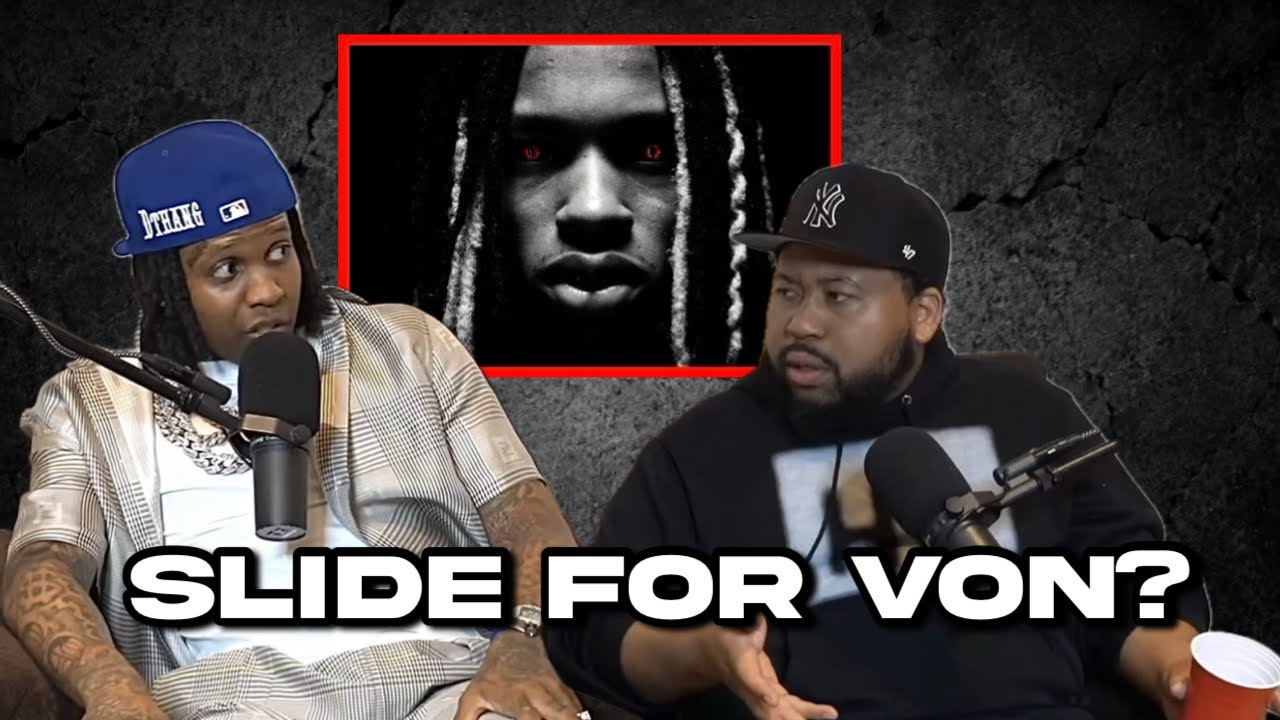 The FBI agent on the stand identified Akademiks and the podcast platform, establishing the authenticity of the recordings for the jury.
This is not the first time the federal government has used a rapper’s own lyrics or interviews against them, but the specificity of this evidence appears to be particularly damaging. The prosecution highlighted a specific moment in the interview where Banks referenced the conflict in Iraq, comparing the violence in Chicago’s drill music scene to a war zone. The agent testified that this was a direct reference to the ongoing gang conflicts that have plagued the city for decades, framing Banks not as an entertainer but as a central figure in a violent criminal enterprise.
The defense has yet to respond to the introduction of this evidence, but legal analysts suggest they will argue that the interview was protected artistic expression and entertainment, not a confession of criminal intent.
The introduction of the Akademiks interview is just one piece of a sprawling digital puzzle that federal agents have spent years assembling. Earlier testimony revealed a stunning level of operational security failures by Banks and his associates, despite their attempts to appear sophisticated. FBI Special Agent Cody Burke detailed how investigators began probing Banks in March 2023, six months after the murder of Lil Jeff, another alleged rival.
 The investigation uncovered a network of burner phones and encrypted messaging apps, but the prosecution’s most potent weapon appears to be a simple home Wi-Fi router. Agents testified that multiple burner phones, linked to new iCloud accounts and new phone numbers, were consistently connected to the same home network router registered to Banks’ residence, creating an unbreakable digital chain linking him to the conspiracy.
The testimony painted a picture of a man who thought he was being clever but was ultimately undone by basic digital footprints. Banks famously rapped about deleting his iCloud if he thought law enforcement was on to him, and evidence showed he did attempt to wipe his devices and instructed others to do the same. However, agents revealed that while some messages were unrecoverable, the connection between the burner phones and his home Wi-Fi was not.
This same router was used to book an Uber that transported the shooters to the scene of the crime, a detail that visibly resonated with the jury. The prosecution argued that while Banks may have avoided some surveillance by using new phones, his failure to avoid connecting them to his home network negated all his other precautions.
 Further complicating Banks’ defense was the testimony regarding his flight plans on the day federal agents raided the homes of his OTF associates. The FBI revealed that Banks had booked three separate flights to Dubai from three different Florida airports, a clear sign, they argued, that he was attempting to flee the country to a jurisdiction with a notoriously complicated extradition treaty with the United States. Agents intercepted him at a private airport before he could board, arresting him just as he was about to escape.
The prosecution presented this as strong evidence of consciousness of guilt, arguing that an innocent man does not book multiple international flights to a known safe haven hours after his associates are arrested.
The trial has also featured testimony from cooperating witnesses and recorded jail calls that paint a damning picture of Banks’ involvement. The jury heard a recorded jail call from Bonn Moe, a co-defendant, who boasted about “smoking Lil Jeff,” a reference to killing him, just days after the murder. In another set of voice notes from a group chat, Banks is heard in a panicked state, urging his crew to delete all messages and iCloud backups after learning that a witness, referred to as “Jam,” was cooperating with police.
 The voice notes, which included discussions about a raid on a stash house and the presence of ARPs and Glocks, were played in court, with prosecutors arguing they show Banks directing a cover-up in real-time.
Perhaps the most bizarre piece of evidence introduced was a list of Banks’ enemies that he allegedly texted to an associate. The list included a who’s who of his rap rivals, including NBA YoungBoy, 6ix9ine, Quando Rondo, and the man he is accused of shooting in 2019, Alexander Witherspoon. The defense has attempted to spin this list as a “do not book” list for security purposes at concerts, a common practice in the industry to prevent violent altercations.
However, prosecutors are using it to demonstrate motive and premeditation, showing that Banks harbored deep-seated animosity toward these individuals for years. The inclusion of 6ix9ine, a notorious snitch, and Trina, a female rapper, has left many in the courtroom puzzled, but the prosecution insists it shows the breadth of Banks’ paranoia and violent intentions.
The defense has also had to contend with the emotional testimony of rapper Lil Woody, a key figure in the YSL RICO case in Atlanta, who surprisingly took the stand for the defense. Woody, who previously testified in the YSL trial, became visibly emotional when discussing Banks, stating, “I would go to jail for Durk. On my son’s life.”
This testimony, while supportive, seemed to confuse the narrative, as Woody is not a direct witness to the alleged crimes. The prosecution is likely to use his emotional outburst to suggest that Banks inspires extreme loyalty, which can be used to coerce others into committing violence on his behalf. The judge has indicated that the trial may conclude as early as next week, leaving the jury to decide the fate of one of hip-hop’s most prominent figures.


