Breaking News: A diplomatic and political tempest is brewing as the U.S. Congress has formally requested testimony from Prince Andrew regarding his ties to the late Jeffrey Epstein, a convicted sex offender. This unprecedented move could send shockwaves through Washington, reigniting old controversies and placing powerful figures under intense scrutiny.
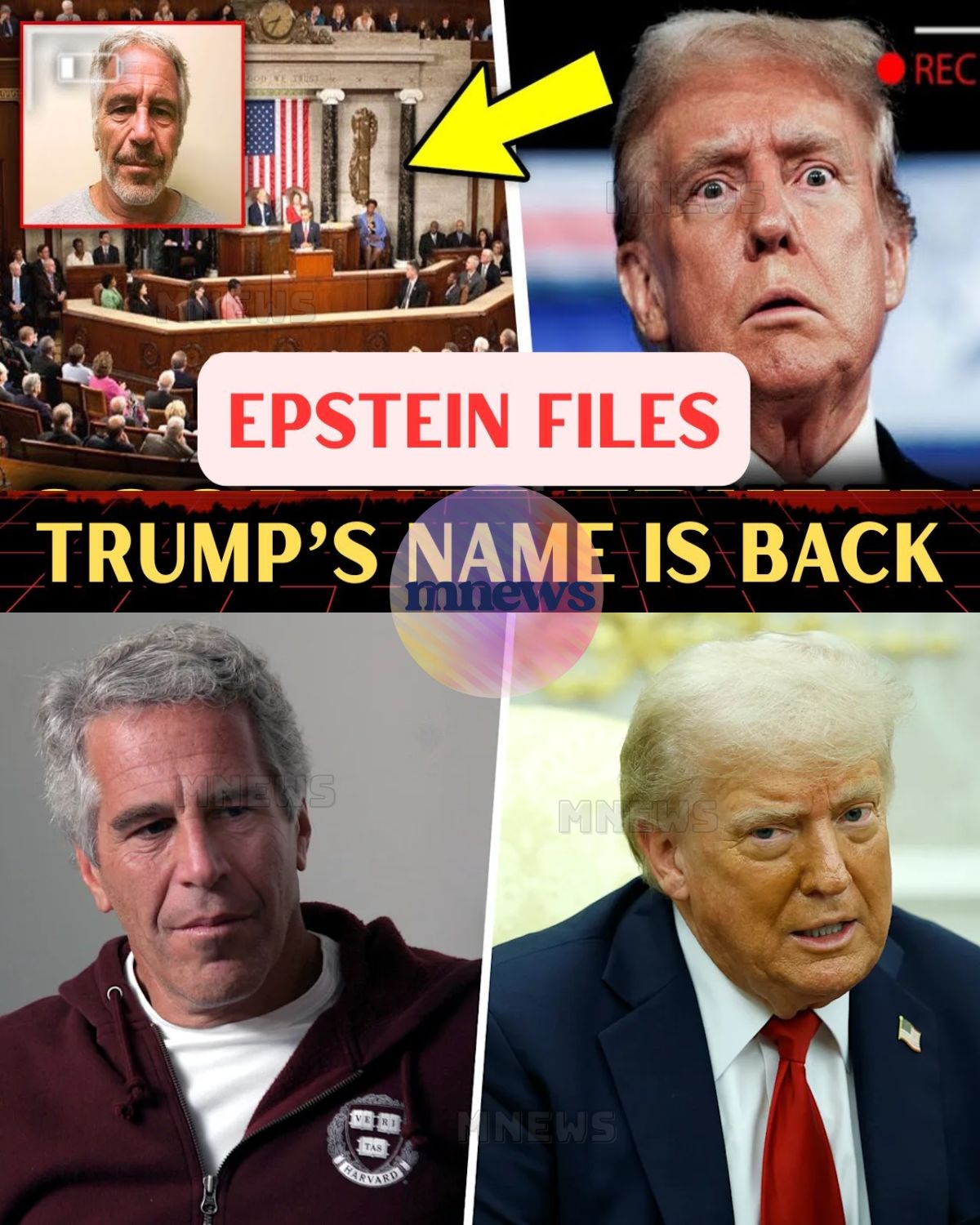
The U.S. House Oversight Committee, with 16 Democratic members backing the request, aims to gather information that may expose co-conspirators within Epstein’s notorious global network. The committee has asked Prince Andrew, formerly the Duke of York, to voluntarily appear before Congress by November 20th. However, lawmakers acknowledge they lack the authority to compel testimony from a British citizen, adding a layer of diplomatic complexity to this unfolding drama.
Prince Andrew, who was stripped of royal titles following allegations of sexual abuse by Virginia Giuffre—claims he has consistently denied—reached a civil settlement with her in 2022, without admitting any liability. The political implications of this latest development are profound, as it intertwines with ongoing frustrations in the U.S. surrounding accountability related to Epstein’s circle, which has been marred by sealed documents and calls for transparency.
While Democratic lawmakers assert that their inquiry is investigative rather than accusatory, the political landscape is shifting. Observers in Washington suggest this could be a pivotal moment, reigniting demands for broader disclosure of Epstein-related materials that have long been shrouded in secrecy.

This situation also casts a shadow over former President Donald Trump, who had social ties with Epstein in the 1990s and early 2000s before distancing himself. Although Trump faces no direct allegations or charges connected to Epstein, the renewed focus on the financier’s network inevitably drags his name back into public discourse, raising questions about his past associations.
As the Republican leadership remains largely silent and the White House refrains from comment, the pressure for accountability mounts. Buckingham Palace has also declined to issue a statement, leaving the future of Prince Andrew’s potential testimony shrouded in uncertainty.
The stakes could not be higher. If Prince Andrew agrees to testify, it could lead to one of the most significant congressional hearings involving a foreign national in modern U.S. history. Conversely, should he refuse, speculation and questions will likely intensify, further complicating an already volatile political landscape.
With Congress expanding its investigative scope and public demand for disclosure intensifying, the ramifications of this diplomatic inquiry may ripple far beyond U.S. borders. The world is watching as this story unfolds, and the political repercussions could reshape narratives in Washington and beyond.