🌪️ Climate Catastrophes and the Fall of Ancient China: Typhoons and Their Role in Societal Collapse 🌪️
🔍 Ancient China’s Climate Crisis: A Deadly Connection
3,000 years ago, in what is now central China, civilizations faced an environmental upheaval that may have helped bring down one of the world’s earliest and most powerful dynasties. New research suggests that increased typhoons and extreme weather events played a major role in the collapse of the Shang dynasty — a civilization that ruled from 1600 to 1046 B.C. in the fertile and historically significant Yellow River Valley.
📜 The Oracle Bones: A Window to the Past
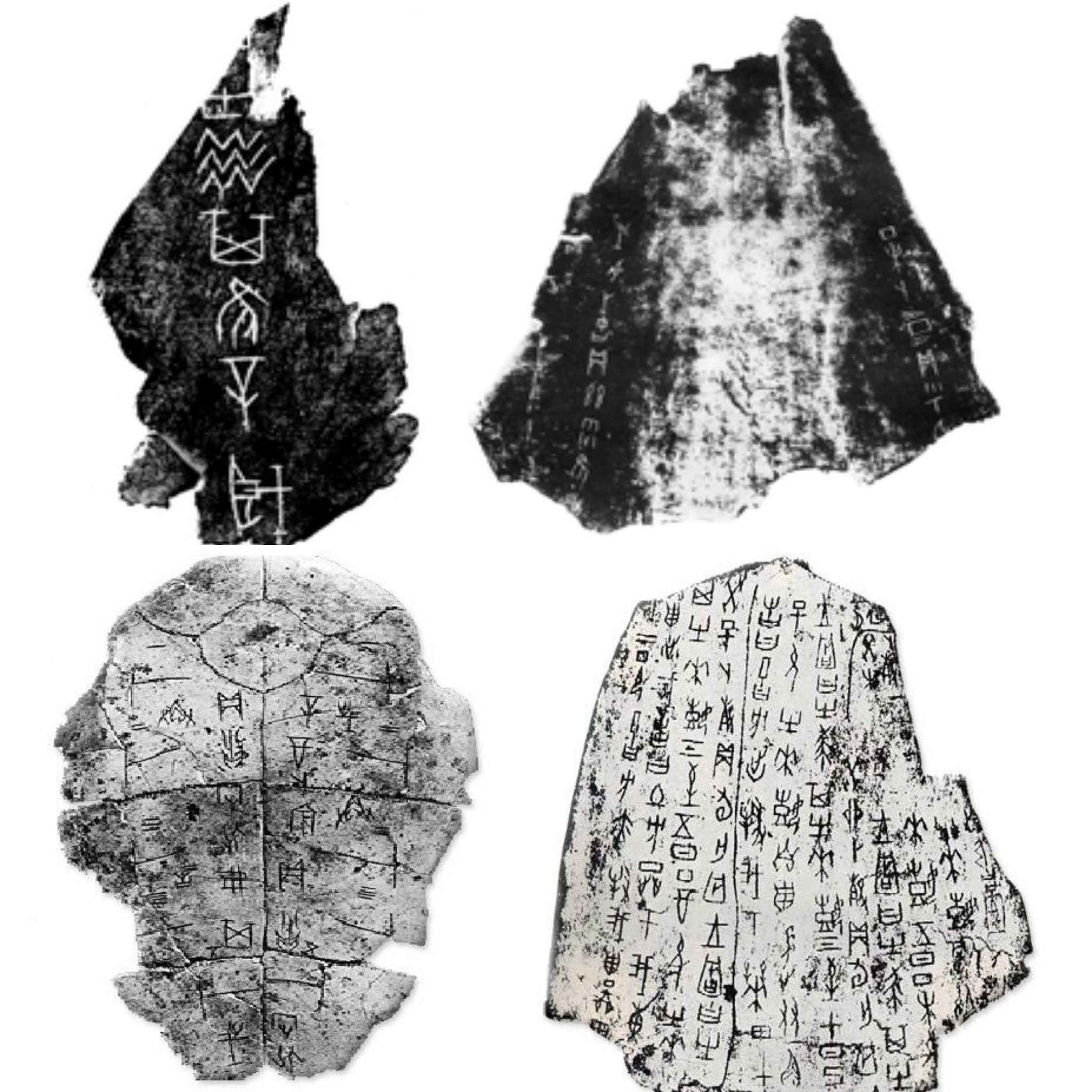
At the heart of this discovery lies oracle bones — the ancient divination tools of the Shang. These bones, made from turtle shells and ox shoulder bones, bear the earliest examples of Chinese writing, and they have long been used by historians to decode the political and cultural life of the Shang. But now, a groundbreaking study published in Science Advances has revealed something new: these ancient texts also hint at extreme weather events that directly impacted the Shang society. The research highlights how typhoons and intense rainfall — previously thought to be external influences — were actually deeply intertwined with the Shang dynasty’s downfall. 🌧️
🌊 The Rise in Weather-Related Divination
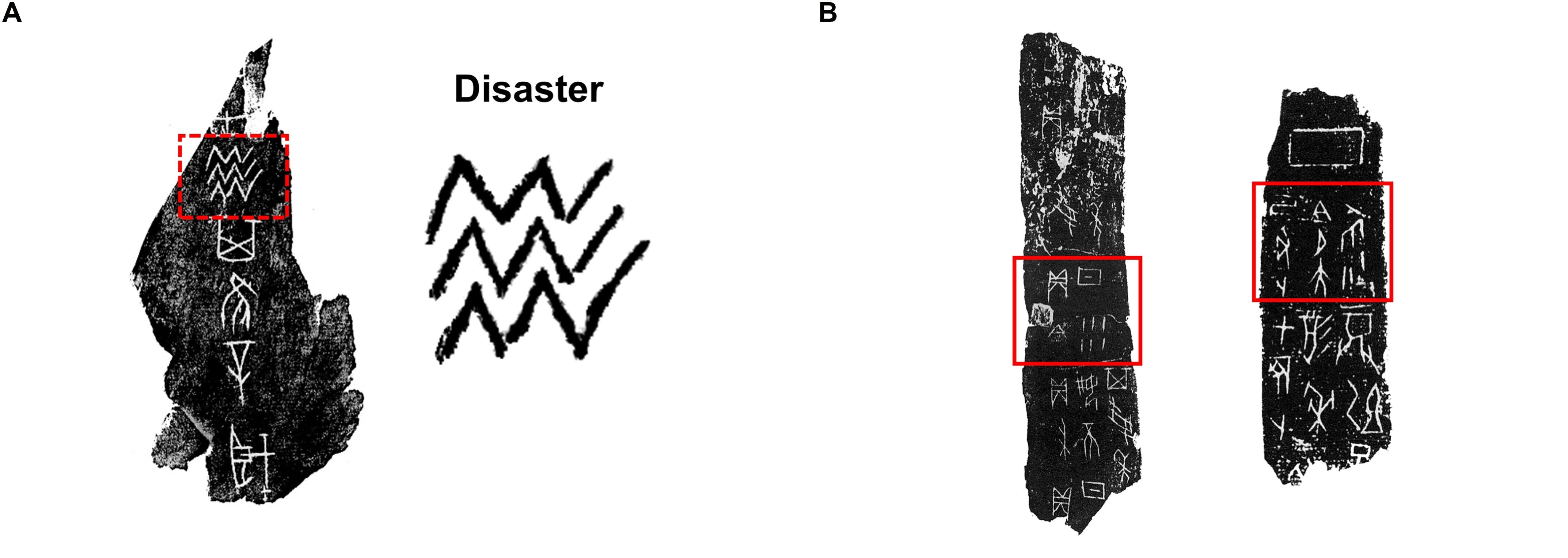
By analyzing over 55,000 pieces of oracle bone scripts, researchers identified an increasing focus on weather-related divinations over the last two centuries of the Shang dynasty (1250–1046 B.C.). More than just omens of fortune, many of these texts referenced heavy rains, floods, and water-related disasters. It appears that the Shang elite became increasingly preoccupied with weather patterns, perhaps due to the growing devastation these natural events inflicted upon their lands. This, the researchers speculate, may have been the first signs of societal instability leading up to the dynasty’s eventual collapse.
🌪️ Typhoons and Floods: A Catalyst for Change
The study also uncovered evidence that suggests intensified typhoons were wreaking havoc on the Shang’s territory. Through paleoclimate modeling and a detailed examination of flood layers, the team showed how typhoon-induced floods caused widespread destruction in the Central Plains, the heart of the Shang kingdom. This shift in climate — particularly between 1850 and 1350 B.C. — may have prompted a population decline in the region as floods ravaged the land, causing not only environmental destruction but also economic instability.
🏞️ The Shu Kingdom: A Parallel Disaster
This wasn’t just happening in the Shang dynasty. Further investigation into archaeological data from the Chengdu Plain, home to the Shu kingdom, reveals similar patterns of flooding and societal shifts. Excavations uncovered flood-damaged buildings and destroyed dikes, suggesting that the Shu people also faced rising water levels and were forced to move to higher ground, possibly in response to both floods and typhoons.
Between 850 and 500 B.C., the Chengdu Plain was affected by intensified westward typhoon activities, which, alongside the flooding, forced population movements and likely contributed to social disruption. These findings present a parallel narrative to that of the Shang dynasty, reinforcing the idea that extreme weather was not only a natural phenomenon but a key player in the decline of ancient civilizations.
⚠️ Droughts and Other Climate Hazards
However, it wasn’t just floods causing the upheaval. The research team also points to El Niño-like conditions that likely brought about droughts around 1350 B.C. These dry spells may have devastated agricultural production and weakened the Shang’s ability to sustain its people, similarly to how prolonged droughts contributed to the collapse of the Maya civilization centuries later.
This combination of floods and droughts likely led to a perfect storm of environmental and social stress, resulting in migration and shifts in political power. As the study suggests, these climate-driven events may have been as destabilizing for ancient civilizations as modern-day climate change is for our own societies.
📉 Population Declines and Cultural Shifts
The researchers used paleoclimate proxies alongside archaeological evidence to model the dramatic shifts in climate. Their findings show that intensified typhoon activity caused widespread flooding, which disrupted agricultural practices and likely led to food shortages and mass migrations. This, in turn, weakened centralized power, and the Shang dynasty eventually fell to the Zhou people.

The study underscores a chilling reality: extreme climate events such as typhoons and floods were just as dangerous to ancient civilizations as they are to us today. What stood out most, the researchers said, was how climate extremes were already influencing society thousands of years ago, possibly accelerating political instability in ways we’re just beginning to understand.
🧐 A Growing Concern
As we grapple with our own climate crises, this research provides valuable insights into the role that extreme weather events can play in shaping civilizations. The study is a reminder that natural disasters — fueled by climate change — can disrupt societies, destroy economies, and trigger social upheaval.
This study is the first to uncover a direct link between coastal typhoon activity, inland flooding, and social change in ancient China, shedding new light on how our ancestors might have coped — or failed to cope — with the effects of climate change.
🌍 The Past Speaks to the Present
By examining ancient climate data, oracle bones, and archaeological evidence, we’re not just learning about the Shang dynasty — we’re learning about how climate disasters have historically shaped and reshaped human civilizations. And perhaps most importantly, we’re understanding just how much climate still has the potential to influence our modern societies.
What do you think? How might ancient climate events have shaped other ancient societies? Drop your thoughts below and share your opinions on how climate change affects us today.
👉 Stay tuned for more archaeological breakthroughs!