Two southern states carried out executions this week in separate but equally disturbing murder cases, as Texas and Alabama both put convicted killer-rapists to death for crimes spanning decades. The executions reignite national debate over capital punishment and the long legal battles that often precede it.
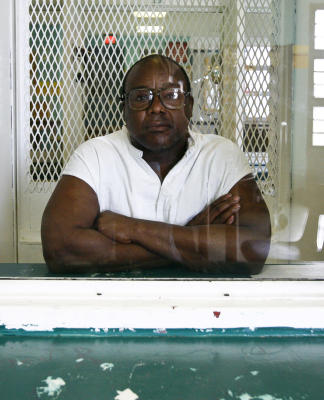
In Texas, 51-year-old Johnny Ray Johnson was pronounced dead at 6:19 p.m. on Thursday after being convicted in the 1995 rape and murder of Leah Joette Smith in Houston. Prosecutors said Smith was beaten, sexually assaulted, and left for dead on a street after an encounter that began with drugs offered in exchange for sex.
Court records further linked Johnson to multiple other violent assaults and suspected rape-homicides across Texas, with authorities describing a pattern of predatory behavior dating back to the late 1970s. Johnson had previously served prison time for sexual assault but was released early before reoffending.
During his final statement, Johnson denounced Texas’ death row system and called for an end to capital punishment in the United States. Despite his claims of innocence in Smith’s death during a prior interview, jurors had convicted him based on extensive evidence and prior criminal history.

Meanwhile in Alabama, 56-year-old Danny Joe Bradley was executed by lethal injection at Holman Prison for the 1995 murder of 12-year-old Rhonda Hardin. The child had disappeared while Bradley was allegedly caring for her and her younger brother, and her body was later discovered in nearby woods.
Court testimony revealed disturbing allegations from Rhonda’s brother, who said Bradley had a history of violent behavior toward the children, including rendering them unconscious. While DNA testing later linked biological evidence to Bradley and the victim, key forensic materials were lost over time, complicating post-conviction appeals.
Both executions closed long-running cases that spanned more than two decades, but also reignited questions about evidence preservation, wrongful conviction safeguards, and the enduring emotional impact on victims’ families.