Texas reached a grim milestone as it carried out its 600th execution, putting Edward Busby to death on Thursday, May 14, in a case that had been halted just days earlier by a federal appeals court. Busby was convicted of the 2004 robbery and murder of 77-year-old Laura Lee Crane, a retired Texas Christian University professor who was attacked during a grocery store run in Fort Worth.
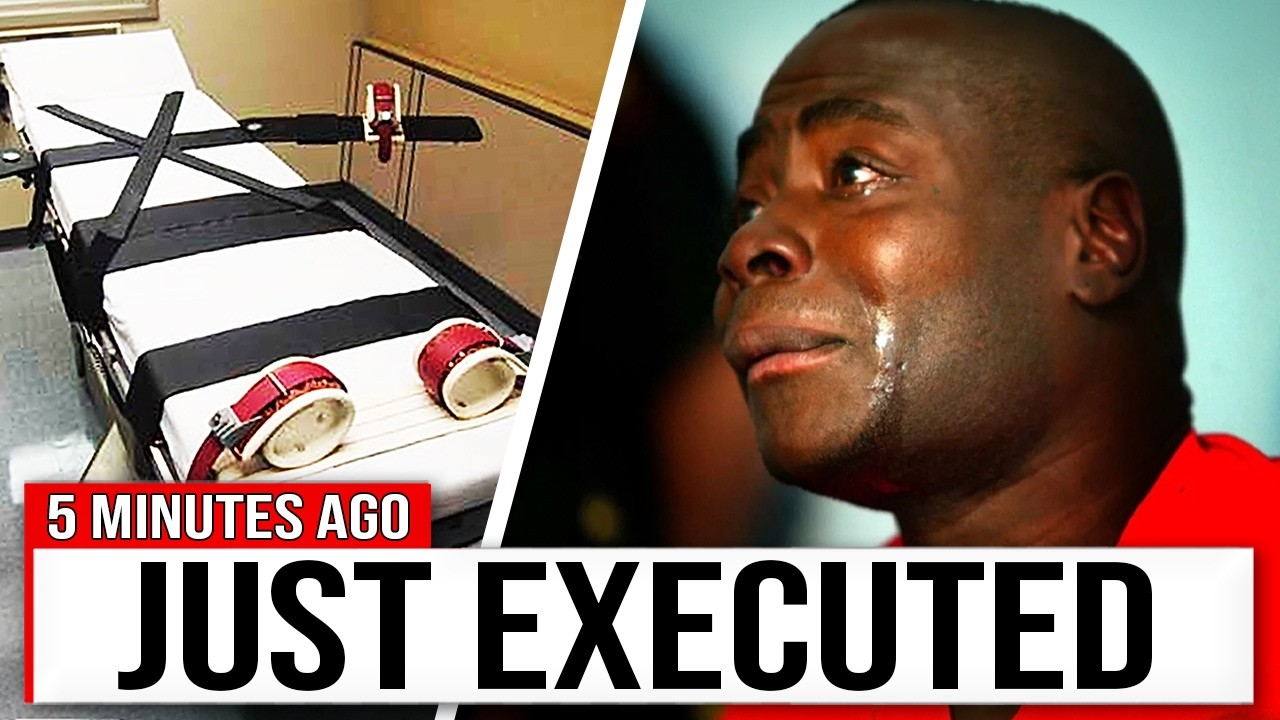
The execution had been temporarily blocked after questions were raised regarding Busby’s intellectual disability. However, the 5th U.S. Circuit Court of Appeals’ stay was overturned after the U.S. Supreme Court stepped in late Thursday, allowing the state to proceed. Within hours, Texas moved forward, and Busby was pronounced dead at 8:11 p.m. CT.
The Supreme Court’s decision was sharply divided. Liberal justices Elena Kagan, Sonia Sotomayor, and Ketanji Brown Jackson dissented, with Jackson arguing that Texas’s own expert had previously found Busby to be intellectually disabled and therefore ineligible for execution. She criticized the court’s urgency, writing that she could not understand “the rush to extinguish” his life under such circumstances.
Busby’s case had been closely watched for years due to ongoing legal disputes over his mental capacity. His final appeal centered on whether executing him would violate constitutional protections against the execution of intellectually disabled individuals, a standard set by previous Supreme Court rulings.
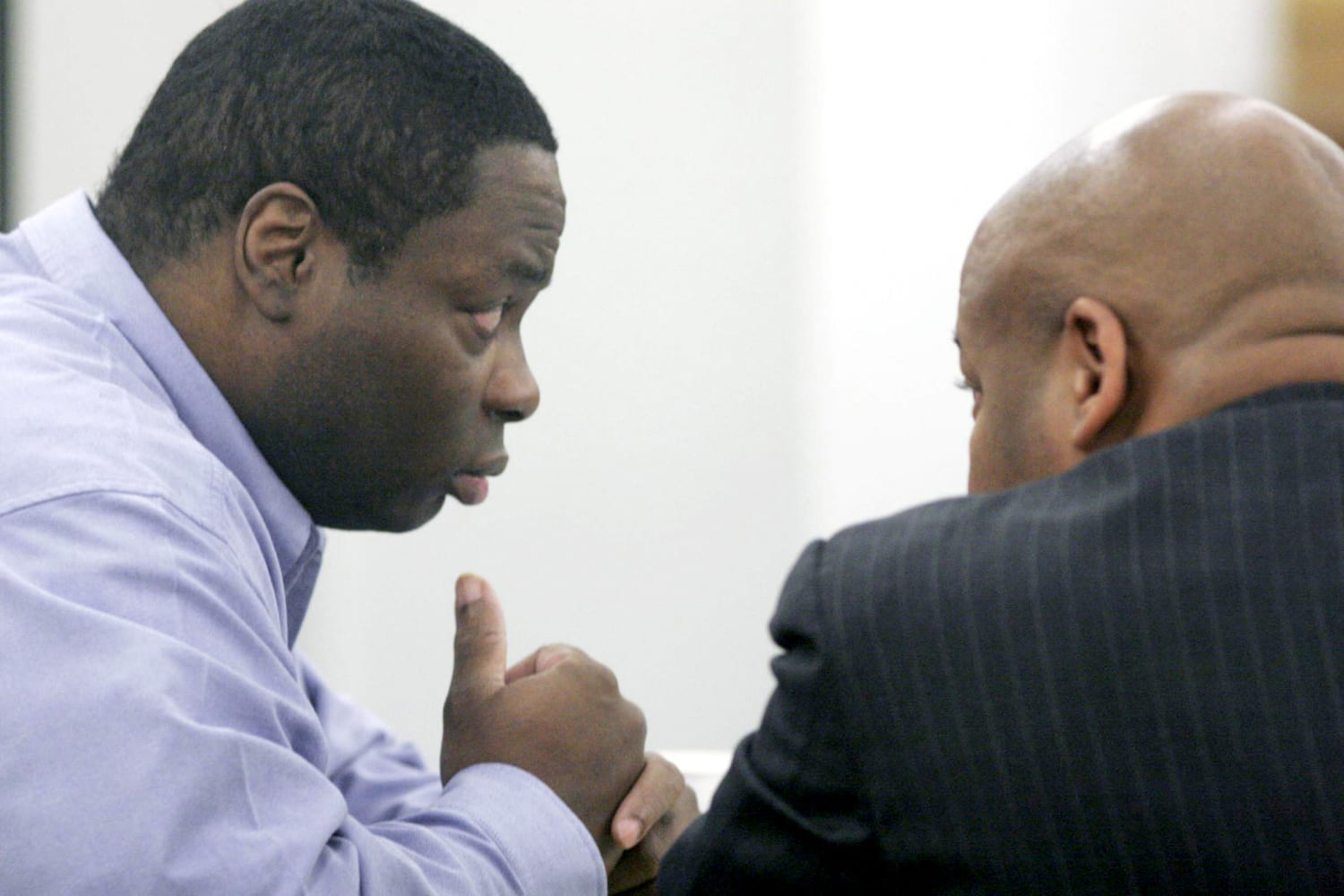
In his final statement, Busby addressed the victim’s family directly, asking for forgiveness. “Ms. Crane was a lovely woman, I never meant anything bad to happen to her,” he said from the death chamber. “I am so sorry… I’ve hurt your family, I’ve hurt my family, and I wish I could take it all back.” Witnesses reported a subdued atmosphere as he was executed shortly after.
The case marks a historic and controversial moment for Texas, not only as its 600th execution, but also as one that reignites debate over capital punishment, mental disability claims, and the finality of Supreme Court intervention in death penalty cases.