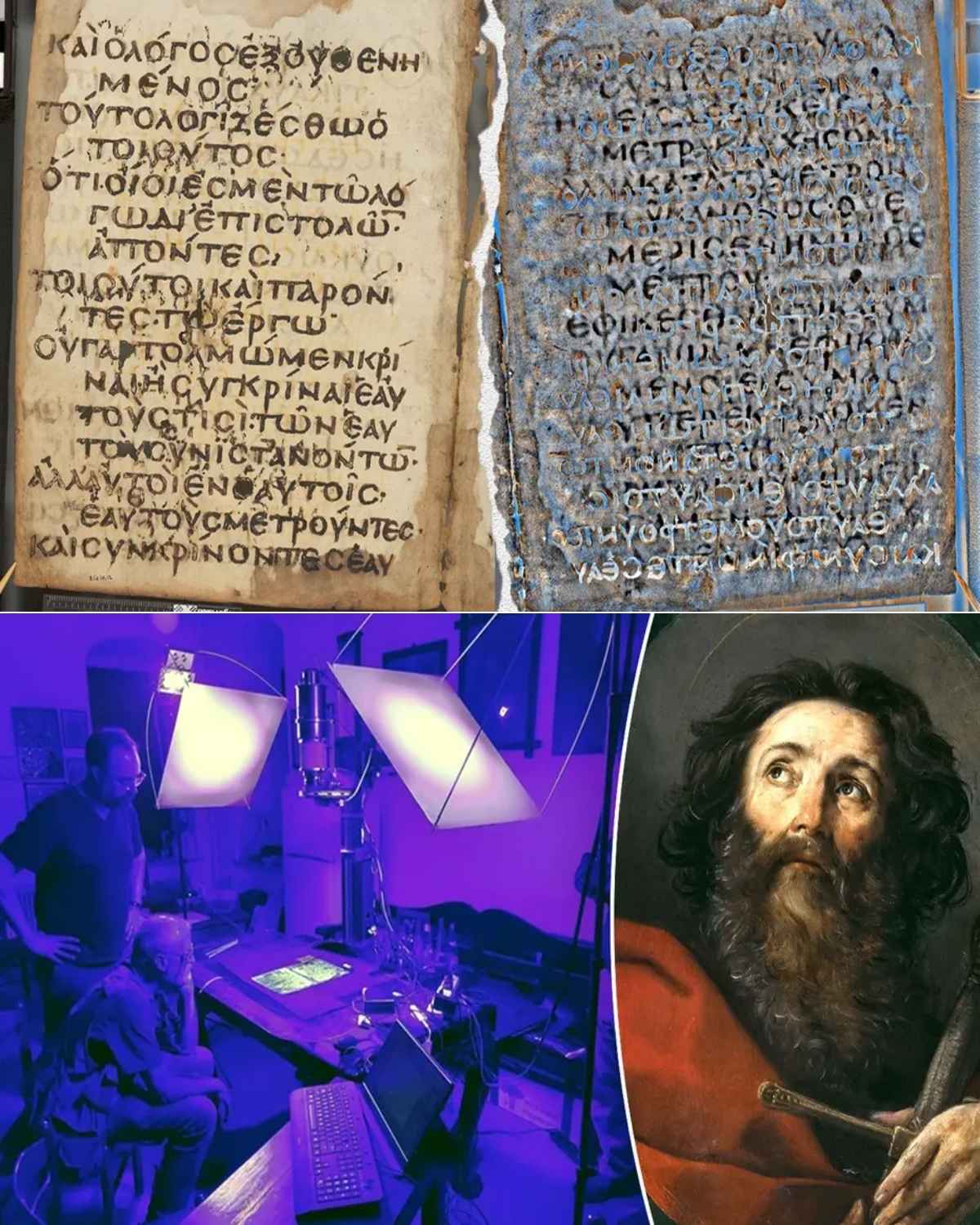
Researchers Recover 42 Lost Pages from Ancient New Testament Manuscript
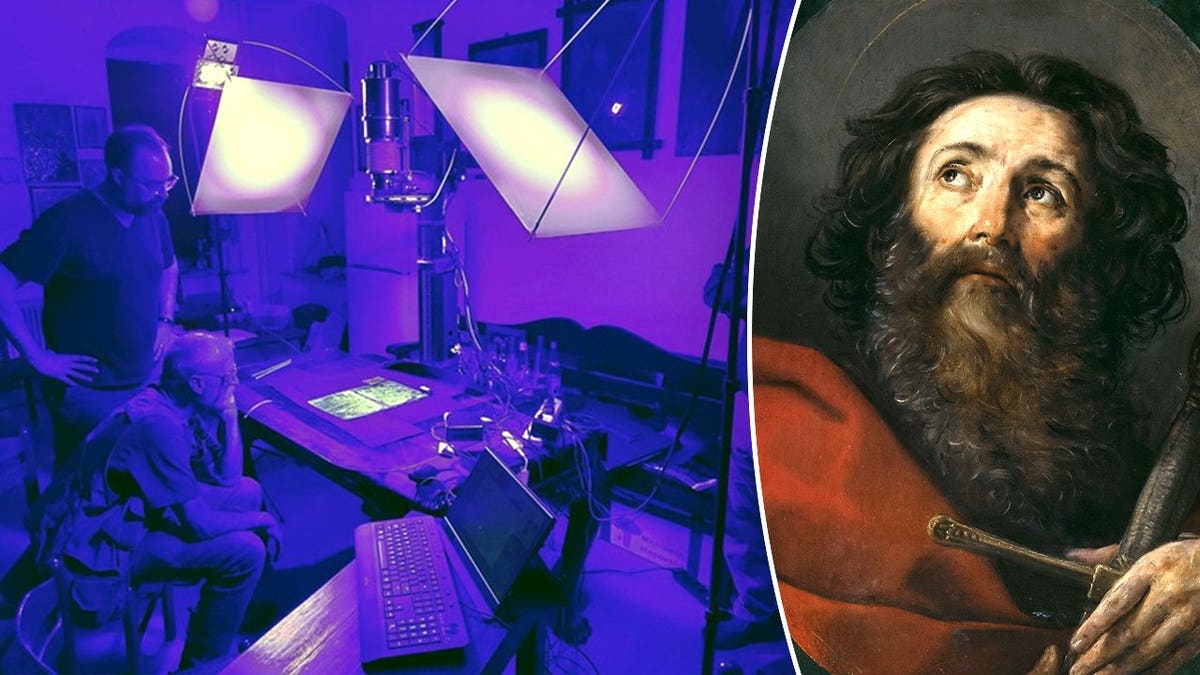
A team of researchers has recovered 42 lost pages from Codex H (Codex Hierosolymitanus), one of the earliest known manuscripts of the New Testament.
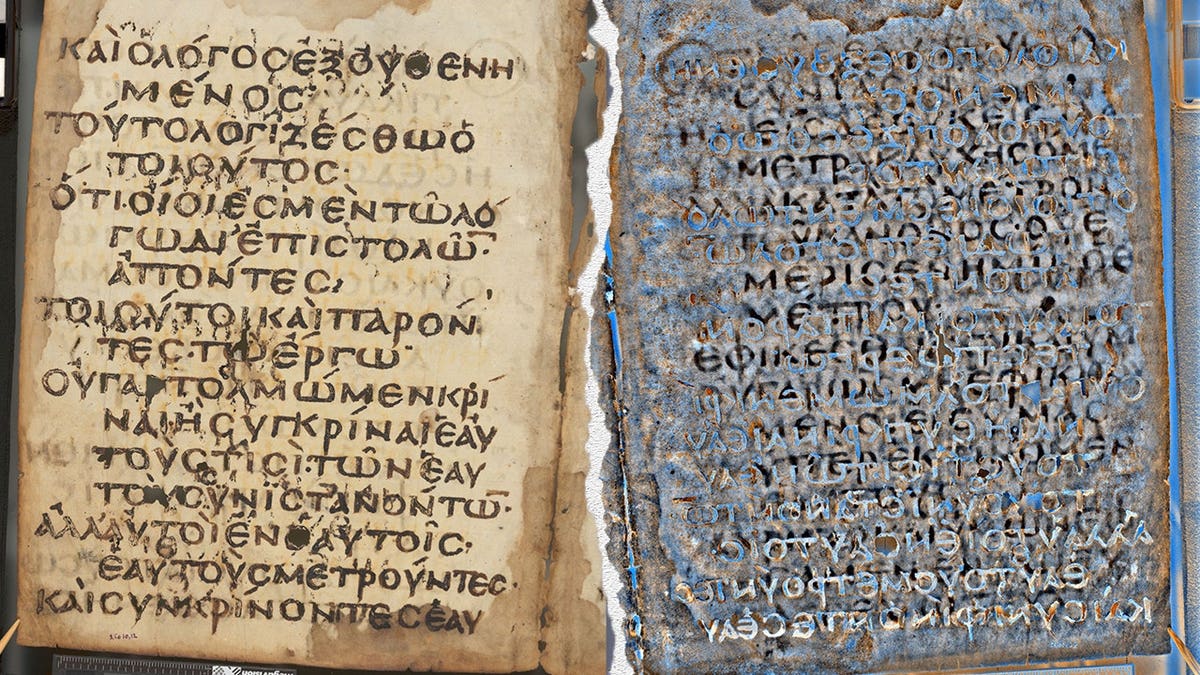
Codex H is a palimpsest, meaning its pages were reused and overwritten over the centuries. Researchers noticed faint traces of the original text, which they were able to recover using modern techniques, including multispectral imaging, revealing “ghost” text invisible to the naked eye. The discovery was announced by the University of Glasgow on April 24.
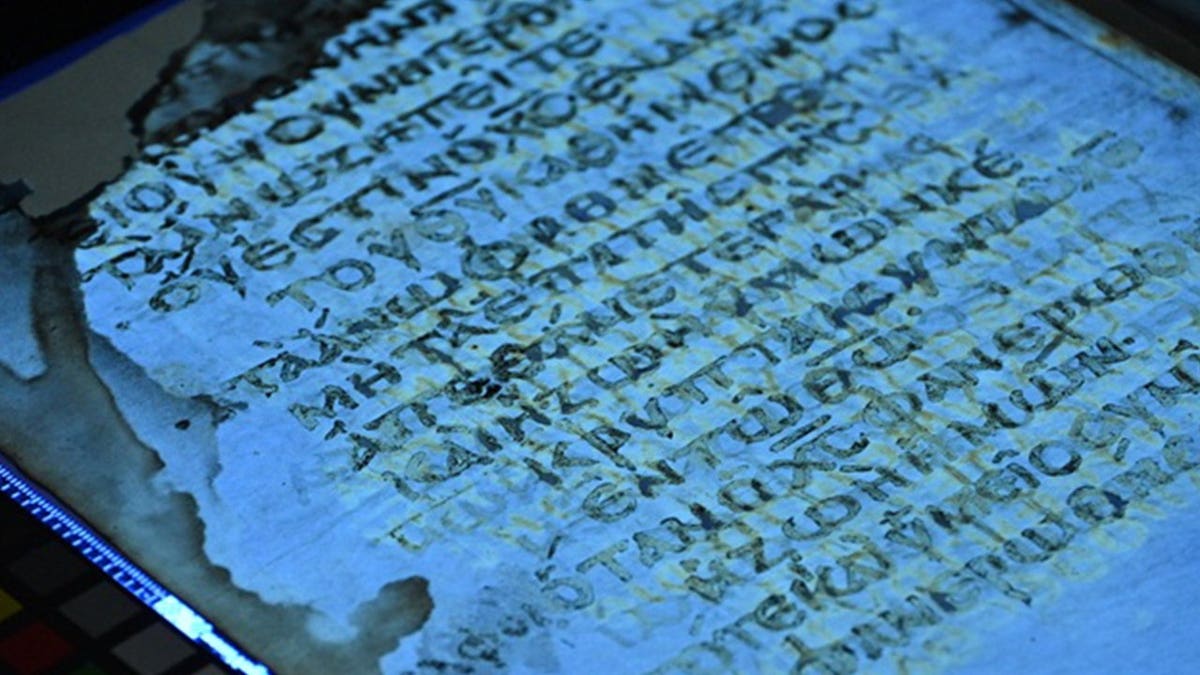
The recovered pages, which do not contain new scripture, date to the sixth century and are copies of the Letters of St. Paul. They were originally part of a manuscript disassembled in the 13th century at the Megisti Lavra monastery on Mount Athos, Greece, and scattered across European libraries.
University of Glasgow professor Garrick Allen, who led the project, said the fragments show how scribes “corrected, annotated, and interacted with sacred texts.” The manuscript preserves over 1,000 years of annotations, including corrections, prayers, poems, grammatical notes, and chapter lists that differ significantly from modern divisions of Paul’s letters.
“These types of notes are often the only tangible evidence of the people who used the manuscript,” Allen said. “We recovered these pages due to the unintended results of a medieval conservationist who reused the manuscript in other books to extend its life.”
Codex H includes over 70 corrections by an early scribe, as well as annotations by at least 15 later readers. Ironically, the manuscript’s reuse helped preserve it: its pages were incorporated into bindings and flyleaves of other books, eventually ensuring their survival.
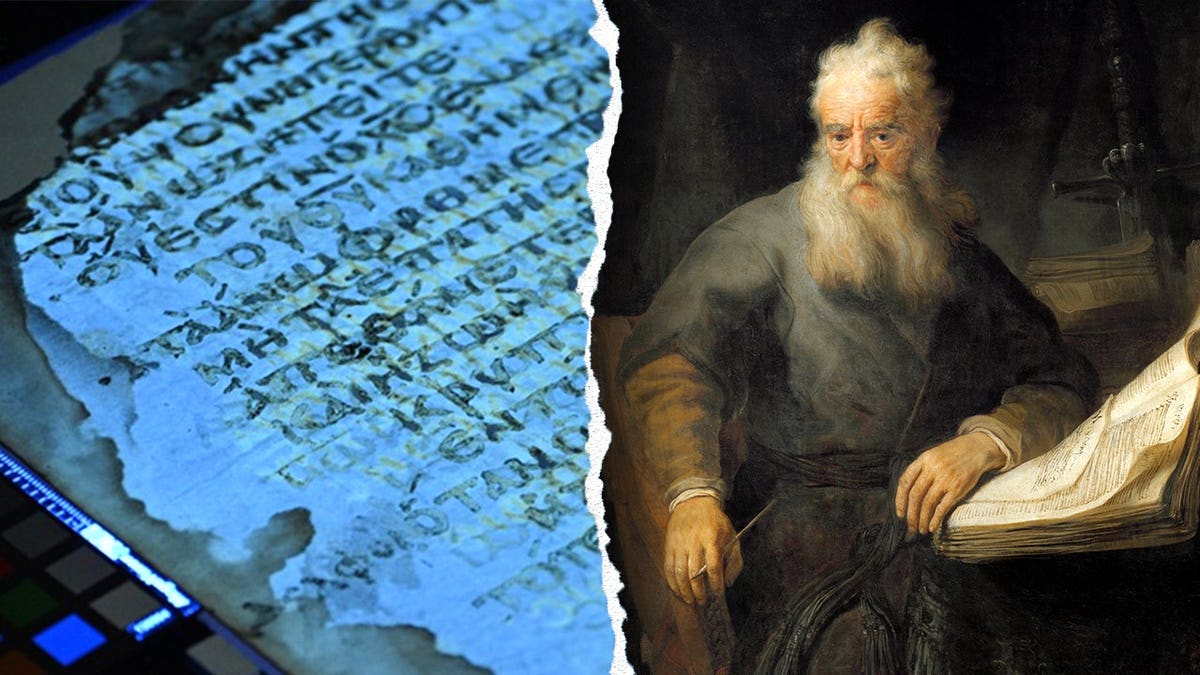
Allen emphasized that the discovery illustrates the potential of modern imaging technologies. “When manuscript scholars work with imaging specialists, data scientists, monastic communities, and museums, we can unlock information hidden in challenging manuscripts,” he said.
The find offers a rare glimpse into the history of biblical scholarship and the long life of one of the world’s most important early New Testament manuscripts.