Florida Students Uncover Native American Remains at Cape Canaveral
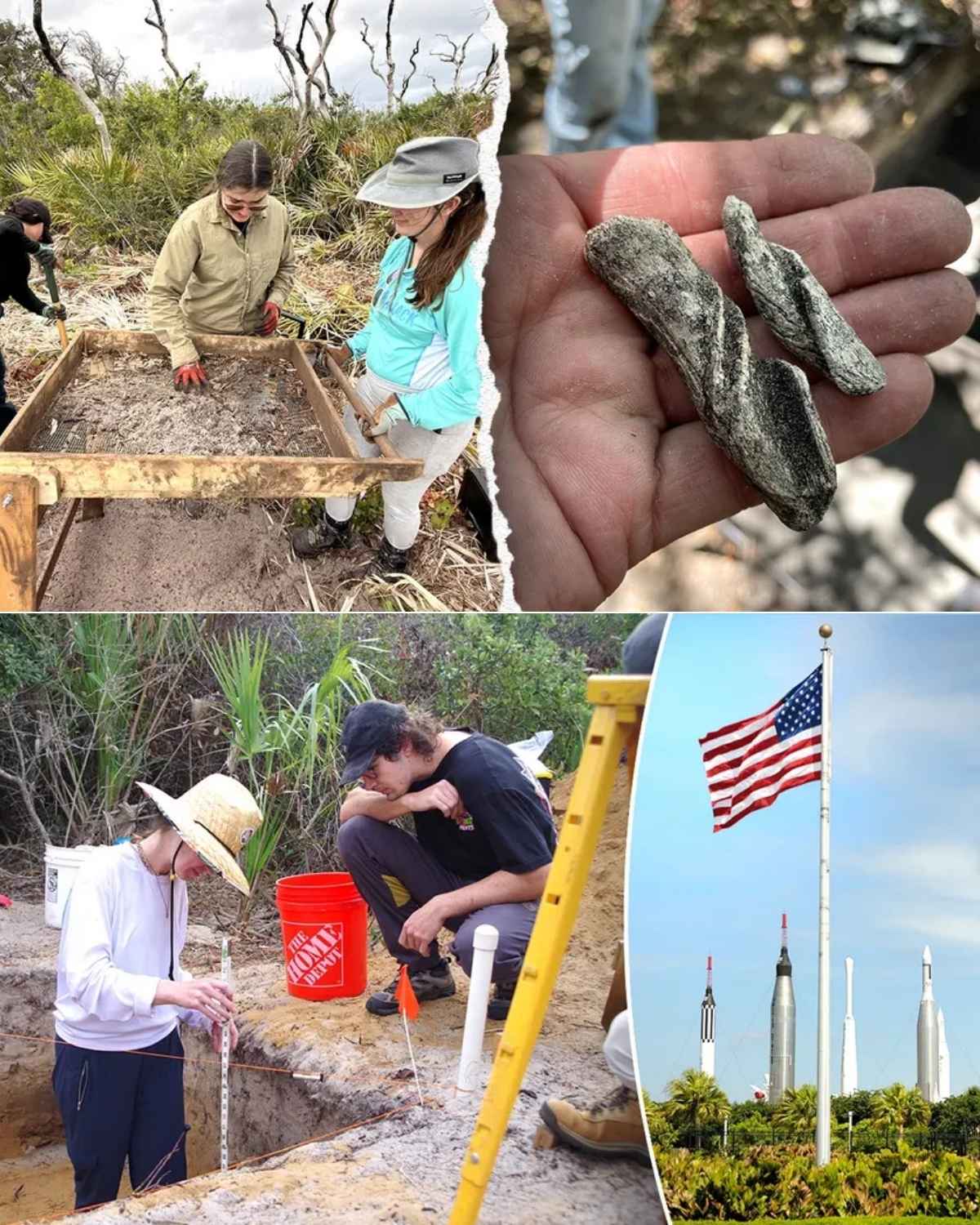
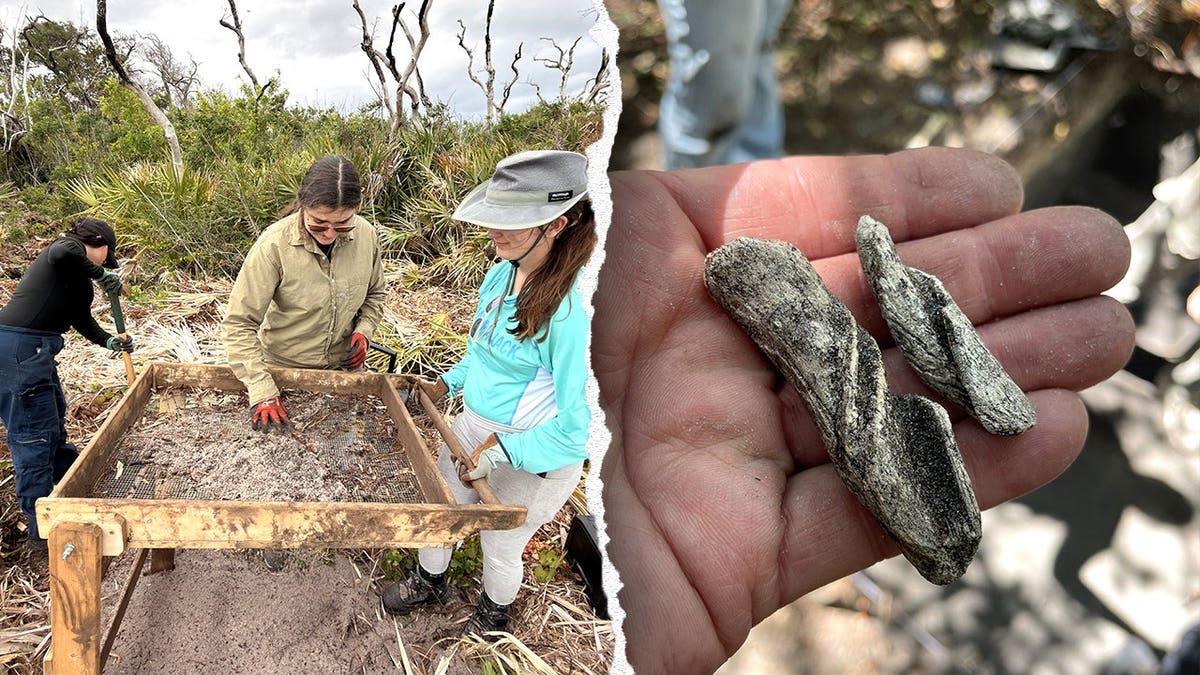
Students and faculty from the University of Central Florida are excavating the DeSoto site at Cape Canaveral Space Force Station, revealing evidence of centuries-old Native American life in an area often associated with the future of space exploration.
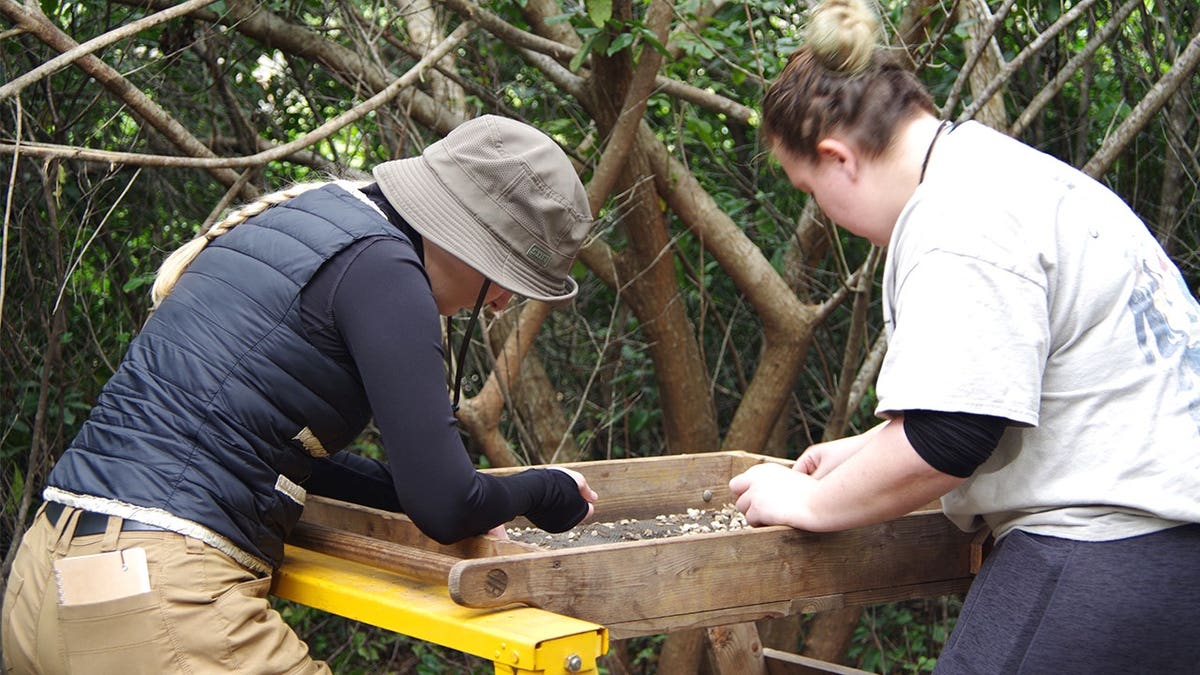
The site dates to the Malabar II Period (roughly 900–1565 A.D.) and features black earth midden deposits — layers of discarded food and other materials left behind by the people who lived there.
“Obtaining and preparing food was an important daily activity,” said Sarah “Stacy” Barber, an anthropology professor at UCF. While the community didn’t farm extensively, some residents had access to imported crops such as corn and beans, supplemented with locally sourced seafood.
Excavations have uncovered evidence of turtles, shark, black drum, and coquina clams — all part of the diet — as well as the “complete vertebral column of a shark” and a mysterious object that could be a fossil or whale bone. Hundreds of pottery fragments, a hearth for cooking, and tools like conch shell hammers and shark tooth knives were also found.
Barber noted that seasonings may have been used, showing that ancient diets were more varied than sometimes assumed. The findings indicate the Indigenous people of Cape Canaveral relied primarily on local resources while maintaining contact with other tribes.
“Our sites show an abundance and diversity of food, time to produce pottery when needed, and opportunities to interact with people in distant regions,” Barber said. “It was probably a comfortable, beachfront lifestyle.”
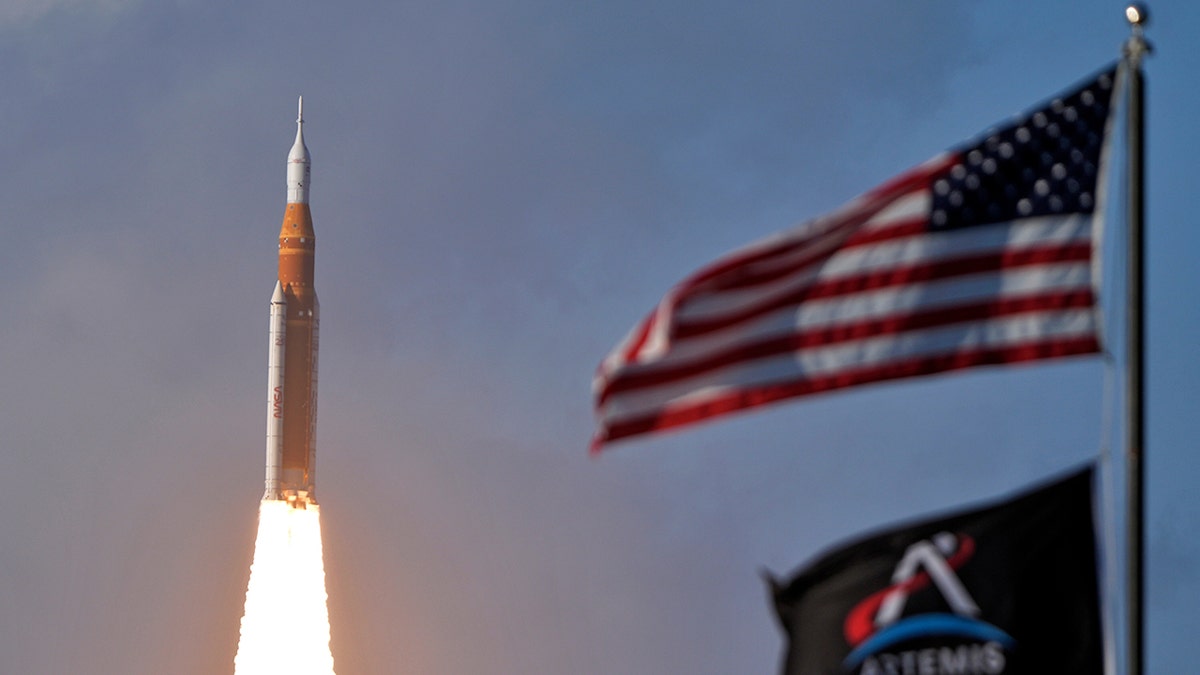
The research also highlights how past and present coexist at Cape Canaveral. “There are few places in the world highlighting the role of the past in the present, where the future of space flight sits atop and among Native American landscapes,” Barber added.