From a landmark medical reclassification affecting millions of women worldwide to evidence that Neanderthals may have practiced dentistry tens of thousands of years before modern humans, this week delivered some of the most fascinating scientific developments of the year.
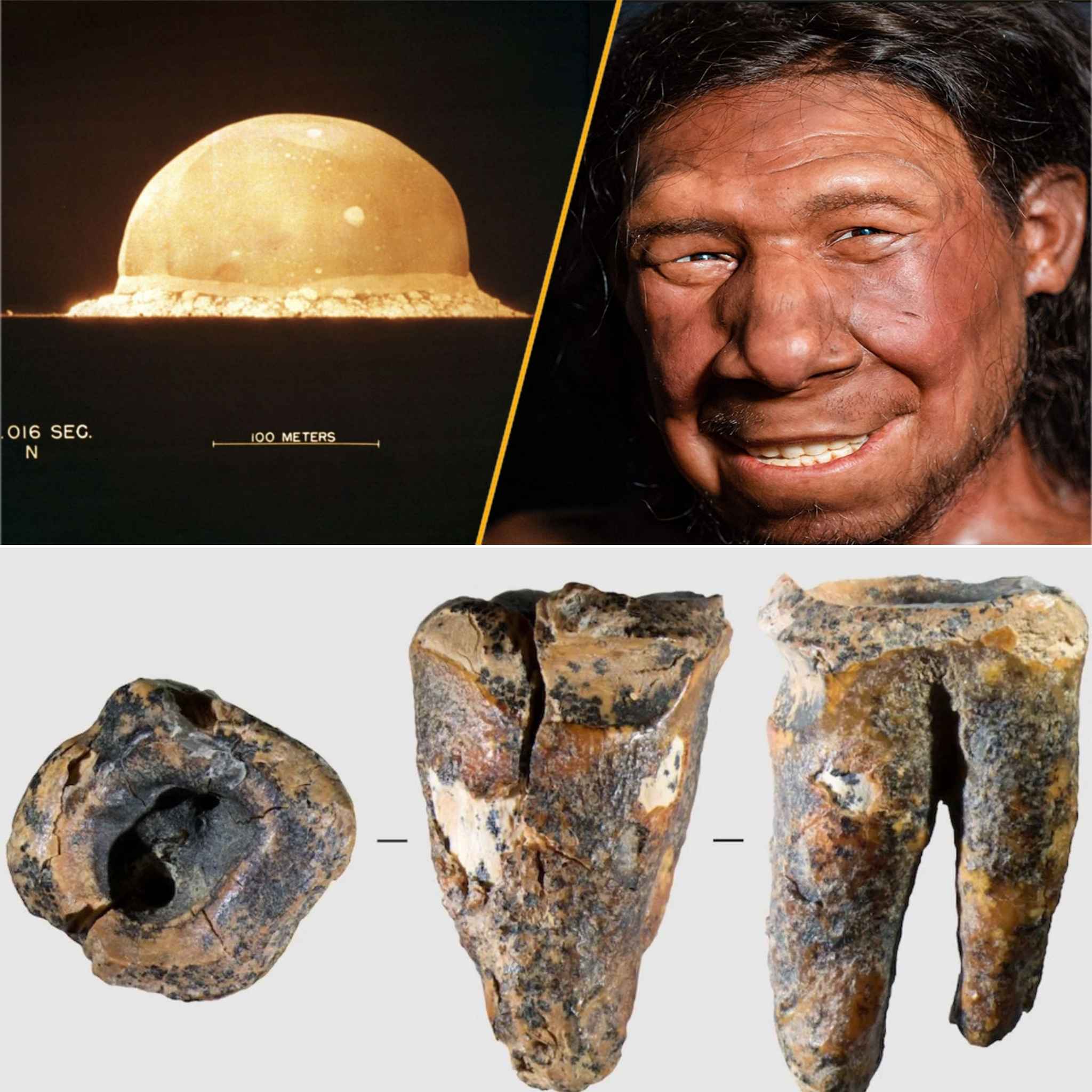
Researchers also uncovered a bizarre crystal born from the fiery chaos of the first nuclear bomb explosion — a material so strange that scientists compared it to something almost extraterrestrial.
Together, the discoveries reveal how science continues to reshape our understanding of health, history, and the hidden consequences of humanity’s technological past.
PCOS Officially Gets a New Name After 14 Years of Debate
One of the biggest medical headlines this week centered on a major change in women’s healthcare terminology.
After more than a decade of consultation involving over 14,000 patients, physicians, and researchers, experts officially announced that Polycystic Ovary Syndrome — commonly known as PCOS — will now be renamed “polyendocrine metabolic ovarian syndrome,” or PMOS.
For years, many doctors and patients argued that the original name was misleading.
Despite the phrase “polycystic ovary” being central to the disorder’s identity, many patients with the condition do not actually develop ovarian cysts in the traditional medical sense. Instead, they often have immature ovarian follicles — eggs that failed to properly develop during ovulation.
The outdated terminology created widespread confusion, delayed diagnoses, and sometimes led patients to misunderstand the nature of their condition entirely.


Researchers believe the updated name more accurately reflects the disease’s complex hormonal and metabolic components.
PMOS is associated not only with reproductive health issues but also insulin resistance, inflammation, weight fluctuations, fertility complications, and increased risk of conditions such as diabetes and cardiovascular disease.
Health experts hope the rebranding will improve awareness among both clinicians and the public while encouraging more comprehensive treatment approaches.
For millions of patients worldwide, the change represents more than semantics — it signals a broader recognition that the disorder affects the entire endocrine and metabolic system, not just the ovaries.
Pollution May Be Quietly Fueling Mental Health Disorders
Another major area of research this week explored a growing scientific concern: the connection between pollution and mental health.
Emerging studies suggest exposure to polluted air may significantly increase the risk of anxiety, depression, cognitive decline, and other neurological conditions.
Scientists have long understood that pollution damages the lungs and cardiovascular system. But newer evidence indicates microscopic airborne particles may also affect the brain itself.
Researchers believe ultrafine particles from vehicle emissions, industrial activity, and wildfire smoke may trigger inflammation in the nervous system after entering the bloodstream and crossing into brain tissue.
Some studies now suggest people living in highly polluted environments experience higher rates of mood disorders and stress-related illnesses.
The implications could be enormous.
As urban populations continue to expand worldwide and climate-related environmental challenges intensify, mental health may increasingly become linked not only to genetics and psychology but also to environmental exposure.
Experts caution that research is still developing, but many scientists now view air pollution as a potentially major public-health factor influencing emotional and neurological well-being.
A COVID-19 Antiviral Pill Passes a Major Trial
Years after the peak of the global pandemic, researchers continue searching for more effective tools against COVID-19.
This week brought encouraging news as an experimental antiviral pill reportedly passed an important clinical trial milestone.
Unlike vaccines, which help prevent severe illness by training the immune system, antiviral drugs aim to stop the virus from replicating once infection has already occurred.
Scientists say oral antiviral medications could become especially valuable for vulnerable populations, immunocompromised patients, and individuals unable to mount strong vaccine responses.
The development also reflects a broader shift in pandemic strategy.
Rather than viewing COVID-19 solely as an emergency crisis, researchers increasingly approach it as a long-term infectious disease requiring sustainable treatment options similar to influenza or other respiratory illnesses.
Though additional review and regulatory evaluation remain necessary, experts say the successful trial marks another important step toward expanding the medical toolkit available against future coronavirus outbreaks.
Hantavirus Fears Raise New Questions About Future Outbreaks
Scientists also continued monitoring concern surrounding recent hantavirus cases connected to cruise ship exposure and rodent-transmitted infections.
Hantavirus is a rare but potentially deadly virus spread primarily through contact with infected rodent urine, droppings, or saliva.
Although outbreaks remain relatively uncommon, researchers warn environmental shifts could increase future risk.
Climate change, habitat disruption, urban expansion, and shifting rodent populations may all contribute to more frequent encounters between humans and virus-carrying animals.
Public-health officials emphasize that hantavirus is not spread through casual human-to-human contact in most cases. Still, severe infections can cause dangerous respiratory complications with high fatality rates.
The renewed attention highlights how environmental instability continues reshaping the landscape of infectious disease worldwide.
Neanderthals May Have Been the World’s First Dentists
Perhaps the most astonishing archaeological discovery of the week came from researchers studying a 60,000-year-old tooth linked to Neanderthals.
According to the study, the ancient lower molar contained a carefully drilled cavity that may represent the oldest known evidence of intentional dental treatment ever discovered.
If confirmed, the procedure predates the earliest known dentistry performed by modern humans by roughly 45,000 years.


The findings suggest Neanderthals possessed far more advanced medical understanding and motor control than previously assumed.
Researchers believe the cavity was intentionally bored out using a tiny stone-tipped tool to remove decayed material causing pain or infection.
The procedure would have required remarkable precision.
Not only did the individual performing the treatment need to recognize the source of the pain, but they also needed sufficient dexterity to manipulate primitive instruments inside the mouth without destroying the tooth completely.
For decades, Neanderthals were unfairly portrayed in popular culture as primitive, unintelligent cave dwellers.
Modern science has steadily dismantled that stereotype.
Evidence now shows Neanderthals created tools, controlled fire, buried their dead, produced symbolic art, cared for injured group members, and possibly developed sophisticated medical practices.
This latest discovery adds another extraordinary layer to our understanding of humanity’s closest extinct relatives.
The First Nuclear Bomb Explosion Created a Strange “Alien” Crystal
One of the week’s most bizarre scientific stories involved the aftermath of humanity’s first nuclear explosion.
Researchers studying materials formed during the 1945 Trinity nuclear test discovered an unusual crystal structure created in the extreme heat and pressure of the blast.
The crystal formed inside a rare glassy substance known as trinitite, produced when the desert sand beneath the explosion melted and fused together under temperatures hotter than the surface of the sun.
Scientists say the newly analyzed crystal possesses an unusual atomic arrangement never before seen in nature.
Some researchers described it as “quasicrystal-like” and so structurally strange that comparisons to extraterrestrial materials quickly emerged.


The material itself is more than just a scientific curiosity.
Researchers believe studying these exotic nuclear byproducts could help forensic scientists better analyze future nuclear detonations or identify illicit weapons testing.
In other words, the crystal may eventually help strengthen global nuclear monitoring and security efforts.
At the same time, it serves as a haunting reminder that nuclear weapons fundamentally altered Earth in ways humanity is still discovering decades later.
A Week That Redefined Both the Past and the Future
Taken together, this week’s discoveries reveal the astonishing range of modern scientific inquiry.
Medical researchers are rethinking how major diseases are classified and treated. Archaeologists are uncovering evidence that extinct human relatives may have practiced surprisingly advanced healthcare. Environmental scientists are tracing invisible links between pollution and mental health. And physicists continue uncovering strange new materials born from humanity’s most destructive technologies.
Science rarely moves in a straight line.
Sometimes it corrects old misunderstandings, as with the renaming of PMOS. Sometimes it overturns long-standing assumptions, as with Neanderthal dentistry. And sometimes it exposes entirely unexpected consequences hidden beneath the surface of history itself.
What remains constant is the relentless pursuit of deeper understanding.
And this week, that pursuit revealed a world far stranger — and far more interconnected — than many imagined.