In a stark chapter of American criminal justice, Leroy Dean McGill, 63, was executed by lethal injection on May 20, 2026, at the Arizona State Prison Complex in Florence, bringing to a close a decades‑long legal saga tied to one of Phoenix’s most horrific homicide cases. McGill was pronounced dead at 10:26 a.m. local time, marking the first execution in Arizona this year and one of three scheduled across the U.S. during the week.
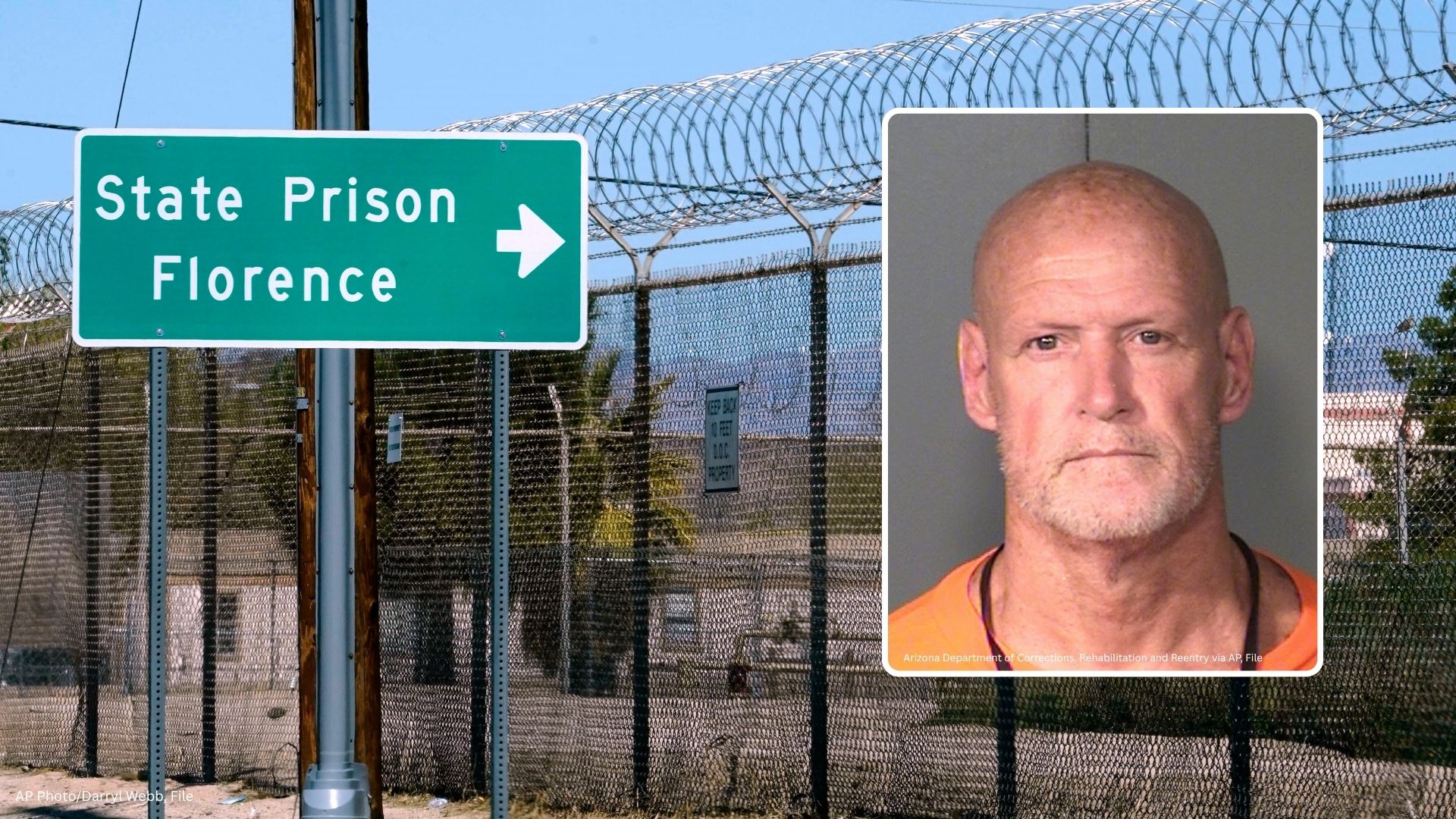
McGill’s sentence stemmed from a July 13, 2002 attack in a north Phoenix apartment, where prosecutors said he poured gasoline on Charles Perez and Perez’s girlfriend, Nova Banta, then lit a match, igniting both victims while they sat on a sofa. Perez later died of his injuries, and Banta survived but suffered third‑degree burns over much of her body in the fire that also forced neighbors to flee as flames spread.
At trial, McGill was convicted in 2004 of first‑degree murder, attempted murder, arson, and endangerment. His legal team repeatedly sought leniency, presenting evidence of childhood abuse and mental impairment, but juries and courts rejected those arguments. Prosecutors emphasized the “especially cruel” nature of the crime, leading to the death sentence that would take over two decades to carry out.

In his final moments before the injection, prison officials quoted McGill expressing gratitude, telling witnesses, “I just want to thank everyone for being so accommodating and nice,” and at one point appearing to say, “I’m going home soon.” His last meal reportedly included onion rings, bread and butter, a green salad and chocolate cake.
The execution unfolded smoothly under Arizona’s current lethal injection protocol, which uses pentobarbital and was administered without reported complications — a notable contrast to past controversies over botched procedures in the state. McGill waived his right to seek clemency, and a last‑minute bid to delay the execution was denied by courts.
McGill’s death reignited discussions about capital punishment, particularly in Arizona where death row inmates often wait decades before execution, and where debates continue over the ethics and efficiency of the death penalty amid ongoing legal and moral scrutiny.