 Archaeologists and historians are calling it one of the most fascinating ironies of the Viking Age.
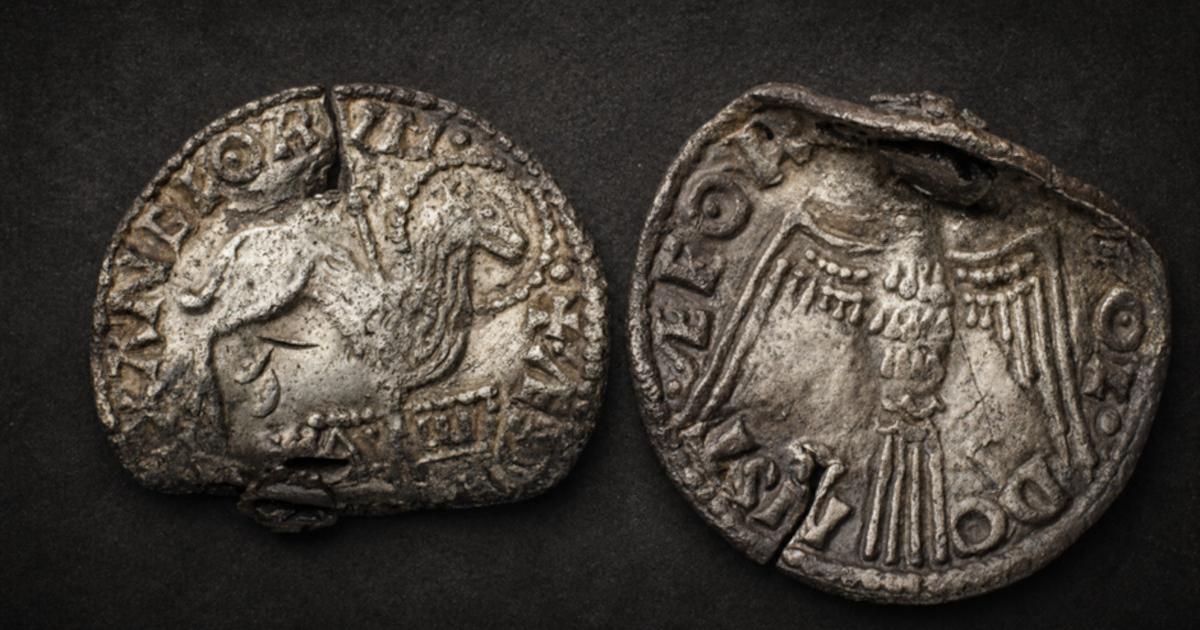
Two extremely rare Anglo-Saxon silver coins originally minted in England over 1,000 years ago as a spiritual defense against Viking invasions have now been discovered in Denmark — the homeland of the very raiders they were meant to stop.
The coins, known as “Agnus Dei” or “Lamb of God” pennies, were recently uncovered by metal detectorists near Løgumkloster and Kåstrup in Thy. Experts say the discoveries are exceptionally rare and provide a powerful glimpse into the religious fears, political turmoil, and cultural exchanges of the early 11th century.
The artifacts have now been acquired by the National Museum of Denmark.
 A Coin Created During England’s Viking Crisis
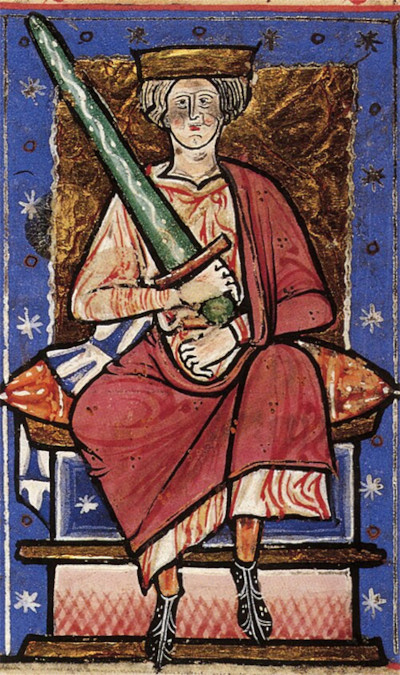
The coins were minted around 1009 AD during the reign of Æthelred II, often remembered as Æthelred “the Unready.”
At the time, England was under relentless attack from Viking armies launching raids along its coasts and rivers. According to historians, Æthelred attempted not only military resistance but also a nationwide spiritual response aimed at seeking divine protection.
The king encouraged fasting, prayer, penance, and religious ceremonies across the kingdom. As part of this effort, these unusual coins were struck with deeply symbolic Christian imagery rather than traditional royal portraits.
Instead of displaying the king’s face, the coins feature the Agnus Dei — the Lamb of God — one of the most important symbols in medieval Christianity.
Researchers say the message was clear: if England’s armies could not stop the Viking threat, perhaps divine intervention could.
Sacred Symbols Stamped Into Silver
The design of the Agnus Dei pennies was radically different from most Anglo-Saxon currency of the era.
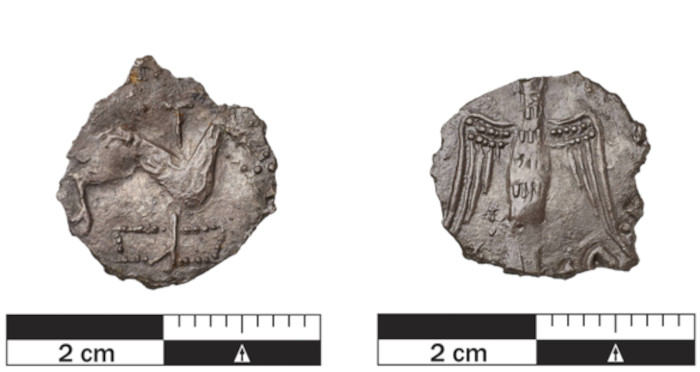
On one side appears the Lamb of God pierced by a cross, symbolizing the sacrifice of Christ. Beneath the figure is a tablet bearing the Greek letters alpha and omega, representing the beginning and the end.
The reverse side features a dove ascending upward — a symbol of the Holy Spirit.
Historians describe the coins not merely as money, but as political and religious statements created during a time of fear and instability.
Only around thirty examples of these coins are known worldwide today, making them among the rarest surviving Anglo-Saxon coins ever discovered.
The Vikings Turned Them Into Jewelry
Ironically, the sacred imagery intended to repel Viking invaders appears to have made the coins even more attractive to them.
Many Agnus Dei coins discovered in Scandinavia contain loops, rings, or soldered attachments showing they were worn as pendants or amulets rather than used as currency.
Curator Gitte Tarnow Ingvardson of the National Museum of Denmark described the discovery as both extraordinary and paradoxical.
“These coins were created to seek protection from the Vikings,” she explained, “yet they ended up being worn by Vikings themselves.”
Researchers believe Viking warriors likely valued the coins both for their silver content and for the mysterious power associated with foreign religious symbols.
How English Silver Changed Scandinavia
The discoveries also highlight the enormous influence English silver had on Viking Age Scandinavia.
Large quantities of silver flowed from England into Denmark through trade, plunder, and Danegeld — tribute payments made by English rulers in attempts to buy peace from Viking armies.
According to researchers, exposure to English coinage eventually transformed Scandinavian economies. Danish rulers began adopting coin-based trade systems modeled after English currency rather than relying solely on weighed silver fragments.
The influence became so significant that later Viking rulers, including Cnut the Great and his son Harthacnut, even produced coin designs inspired by English Christian models.
Tiny Objects Carrying a Massive Story
Though small in size, the newly discovered coins encapsulate one of the most dramatic chapters of medieval European history.
They tell the story of an English king desperately seeking divine aid, Viking warriors carrying foreign wealth back across the sea, and the gradual blending of cultures during an age of conflict and transformation.
More than a thousand years later, the Agnus Dei pennies remain powerful symbols of how fear, faith, and war shaped both England and the Viking world.