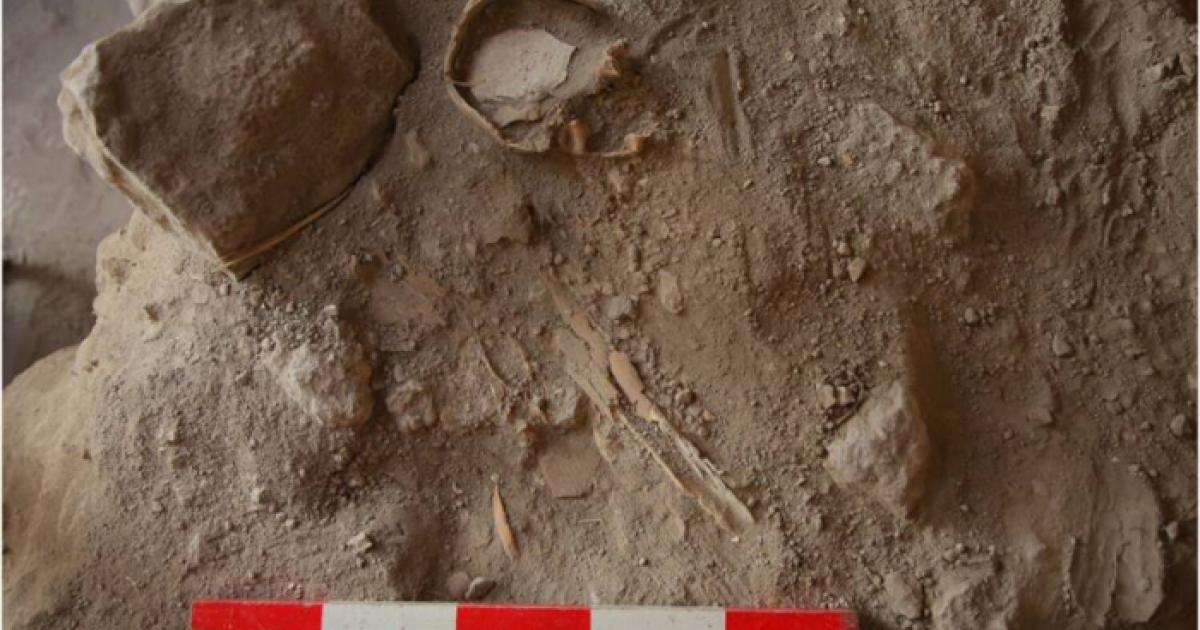
 Archaeologists working at the ancient site of Tel Azekah have uncovered a deeply emotional and rare discovery: a mass burial containing the remains of up to 89 infants and young children dating back around 2,500 years.
The remains were found inside a repurposed water cistern and are now offering new insight into how early societies in the region viewed childhood, burial customs, and social identity during the Persian period.
The study has been published in Palestine Exploration Quarterly.
A Cisterna Turned Burial Space
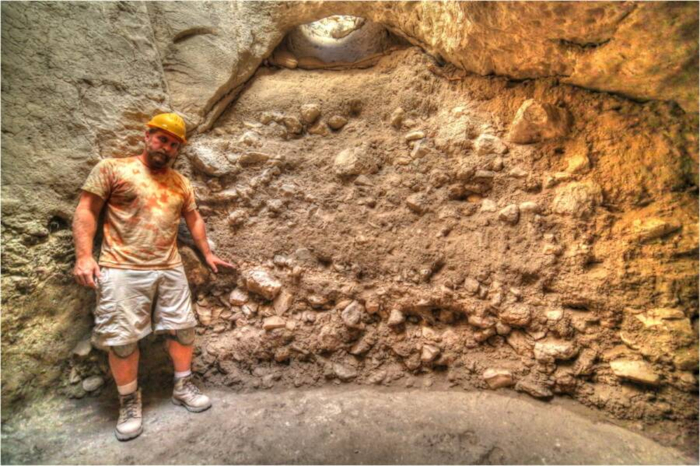
Tel Azekah, located between modern-day Tel Aviv and Jerusalem, was once a major fortified city with a history stretching back more than 4,000 years. The cistern where the remains were discovered was originally built to store water during the Canaanite period.
After the Babylonian destruction of Judah in the 6th century BC, the structure fell out of use. By the time of the Persian period in the Levant, the empty cistern had been repurposed as a burial site.
Inside, researchers identified the remains of at least 68 individuals, with estimates reaching up to 89. Remarkably, about 90% of them were children under five years old, most under the age of two.
 No Signs of Violence or Mass Disaster
At first glance, such a large concentration of infant remains could suggest tragedy caused by war, famine, or disease. However, osteological analysis found no evidence of trauma, burning, or violent injury.
Instead, researchers concluded that the burial site was used repeatedly over many years rather than being the result of a single catastrophic event.
The team, led by Oded Lipschits, suggests that the cistern served a specific cultural function over time.
How Ancient Societies Viewed Infancy
One of the most striking interpretations of the study is that burial practices may have reflected how ancient communities understood early childhood.
Researchers propose that infants who died before weaning may not have been considered fully integrated members of society. As a result, they may not have received individual graves like older children or adults.
Instead, they were buried collectively in a designated space.
This idea reflects a different cultural understanding of personhood — one tied to survival past the most vulnerable stage of life.
Simple Burials, Quiet Care
Although the burials were collective, they were not without care or ritual attention.
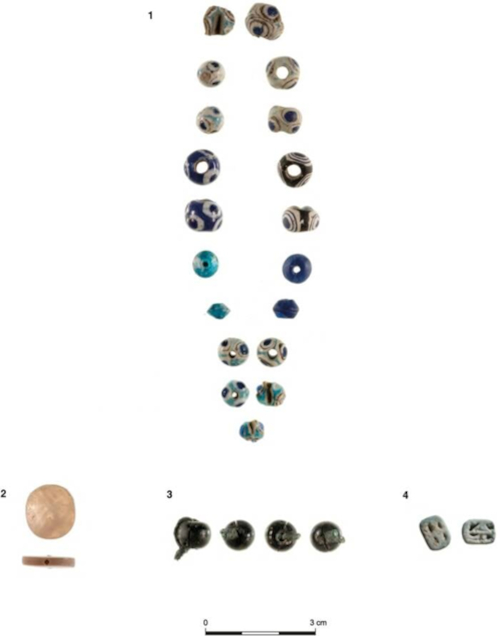
Archaeologists found small grave goods alongside the remains, including:
- Simple pottery vessels
- Beads and jewelry fragments
- Copper rings and earrings
- Stone tools
These items suggest that even very young children were still given symbolic respect in death, despite not being buried individually.
A Rare Window Into the Persian Period
Infant burials from this period in the Southern Levant are rarely found in traditional cemeteries, making this discovery particularly important for understanding ancient population patterns.
Similar burial practices have been observed in other parts of the ancient Mediterranean world, suggesting that the treatment of infants may have followed broader regional traditions.
Researchers say the site helps fill a long-standing gap in archaeological records from the Persian period, often described as a “missing” or underrepresented phase in burial archaeology.
A Difficult but Important Discovery
The emotional weight of the excavation was significant for the researchers involved, many of whom described the site as challenging to study.
Despite this, the findings provide valuable insight into how ancient communities lived, mourned, and structured social identity.
Tel Azekah continues to be an important archaeological site, producing discoveries that connect everyday human life with major historical transitions in the ancient Near East.