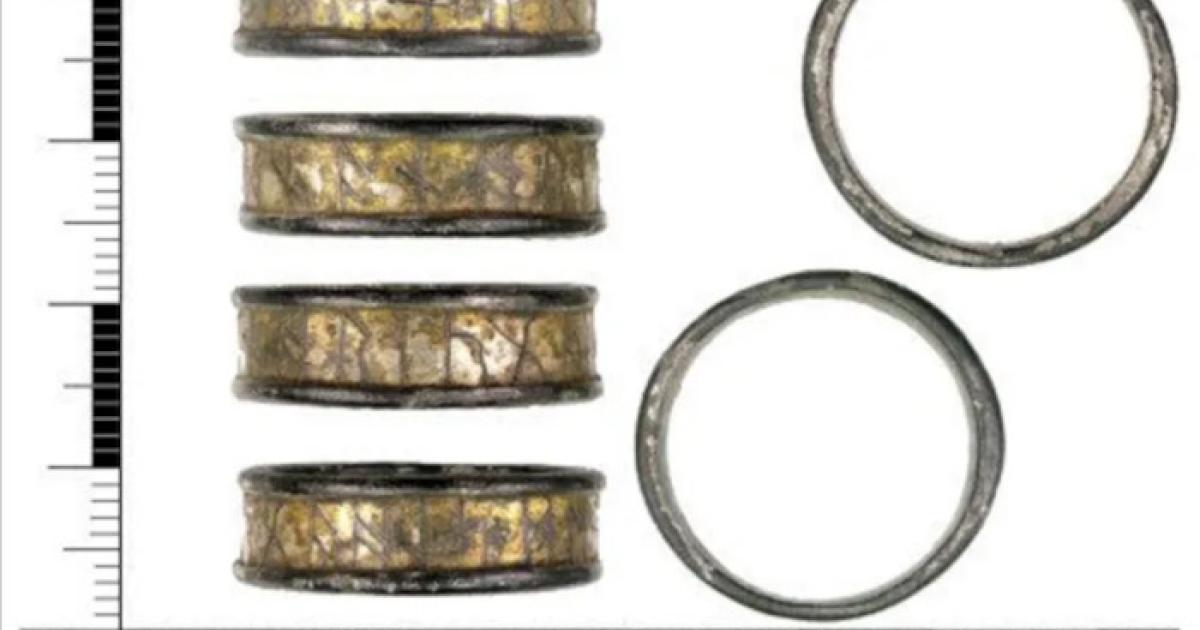
 A remarkable archaeological discovery in Lincolnshire, England, is capturing international attention after a 1,000-year-old silver-gilt ring engraved with mysterious runes was uncovered by an amateur metal detectorist.
The rare artifact, found in a quiet field near Quadring in South Holland, offers an extraordinary glimpse into early medieval life and may reshape what historians know about literacy, belief, and identity during the Anglo-Saxon era.
A Tiny Artifact With a Huge Historical Impact
The ring was discovered in May 2024 by metal detectorist Rafal Wesolowski, who immediately sensed the object was something unusual.
“I didn’t know exactly what it was, but I knew immediately it was something special,” Wesolowski recalled in comments reported by the BBC.
According to records from the Portable Antiquities Scheme (PAS), the ring is made of silver with gold gilding and remains remarkably well preserved. Measuring just over 23 mm in diameter and weighing 4.51 grams, the artifact features 16 runic characters engraved around its outer band.
Experts noted that the inscription appears to have been added after the gilding process, suggesting the message held particular importance to its owner.
The Ancient Rune Inscription Still Baffles Experts
Researchers from the University of Nottingham, including Dr. Martin Findell and Jasmin Higgs, have examined the inscription but say its exact meaning remains uncertain.
Preliminary interpretations suggest the text may include a personal name — possibly “Udnan” — alongside the word “hring,” meaning “ring” in Old English or Old Norse.
However, scholars believe the inscription may carry deeper symbolic meaning beyond simple ownership.
Runes were widely used by Germanic peoples before the Latin alphabet became dominant across Europe. In many cases, rune inscriptions were associated with protection, ritual practices, or spiritual symbolism.
Because of this, archaeologists believe the ring could have served as more than jewelry — possibly functioning as a protective or status-related object.
 One of the Rarest Finds of Its Kind
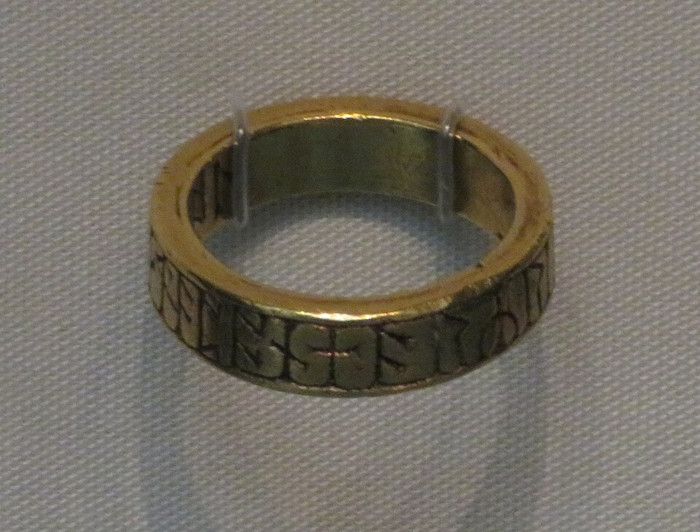
Runic rings from the early medieval period are exceptionally rare. Comparable examples from Kingmoor in Cumbria and Wheatley Hill are currently housed in the British Museum.
What makes the Lincolnshire discovery especially significant is both its condition and craftsmanship. The ring displays detailed engraving, carefully spaced rune terminals, and traces of niello — a dark decorative inlay historically used to emphasize inscriptions.
Archaeologist Dr. Lisa Brundle described the object as one of the most important finds ever recorded in the region.
 Clues to a Forgotten Anglo-Saxon Community
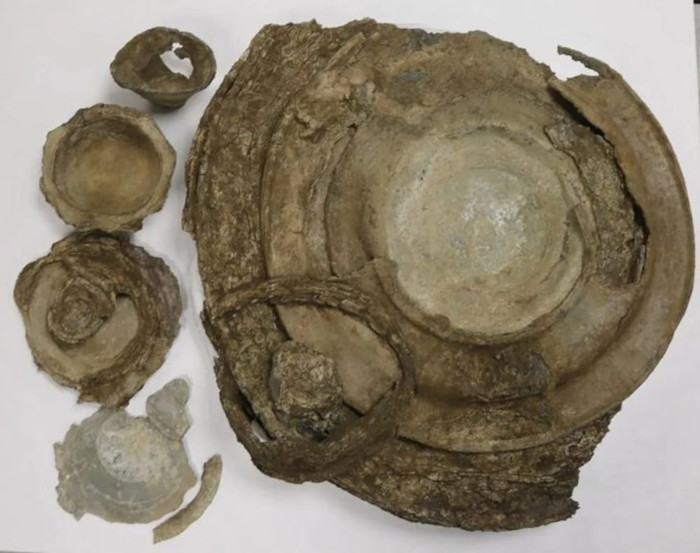
Additional discoveries at the same site, including a late Anglo-Saxon buckle, suggest the area may once have been home to a wealthy or influential early medieval settlement.
Experts believe the findings could point to the presence of a literate elite living along Lincolnshire’s historic fen-edge landscape more than a thousand years ago.
The ring has now been submitted under the UK’s Treasure Act 1996 due to its age and precious metal content. If officially declared treasure, it may eventually go on public display in a local museum.
For historians, the artifact is more than an ancient piece of jewelry — it is a rare surviving voice from a world where written records are scarce and personal stories are often lost to time.
And despite modern analysis, the mysterious runes continue to guard their secrets.
Read more to discover the fascinating theories behind the ancient inscription that still puzzles experts today.