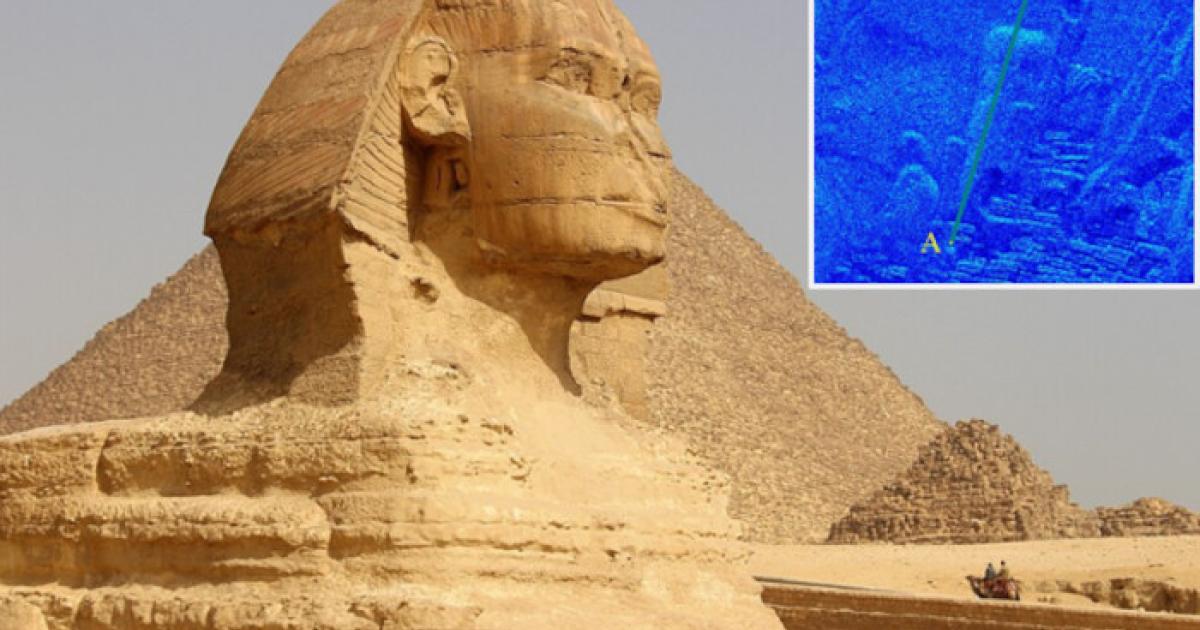
 A controversial new theory suggesting a second Sphinx could be buried beneath Egypt’s Giza Plateau is creating major debate across the archaeological world.
An Italian research team using advanced radar imaging technology claims to have detected a massive underground anomaly near the Great Sphinx — a discovery they believe may point to the existence of another hidden monument beneath the desert sands.
The claims come from the Khafre Research Project, led by radar engineer Filippo Biondi and his colleagues. Using a technique known as Synthetic Aperture Radar (SAR) Doppler tomography, the team analyzed subsurface structures beneath the Giza Plateau and reported what they describe as organized geometric formations, deep underground chambers, and interconnected pathways.
According to the researchers, one particular area drew significant attention: a large mound of hardened sand measuring roughly 108 feet tall. Biondi believes the structure beneath the mound may mirror the placement and design of the existing Great Sphinx.
The team argues that because the original Sphinx sits within a natural depression, it is possible that a second monument could remain hidden under elevated terrain nearby.
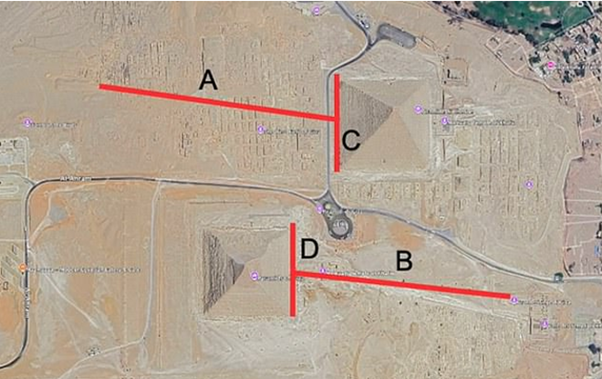
Researchers also claim the radar data revealed geometric alignments between the pyramids and the suspected underground structure, suggesting the possibility of deliberate ancient planning.
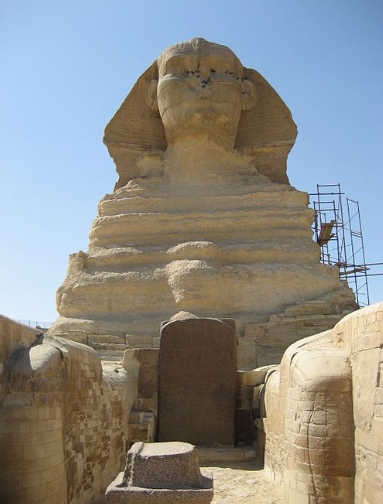
To support the theory, the group referenced the famous Dream Stele located between the paws of the Great Sphinx. The granite monument, erected by Pharaoh Thutmose IV, contains imagery featuring two feline figures — something alternative historians have long interpreted as evidence that a second Sphinx may once have existed.
The theory has also revived older legends surrounding hidden chambers and lost structures beneath Giza. Ancient writings from Greek historian Herodotus described vast underground labyrinths in Egypt, while various myths and esoteric traditions have spoken for centuries about hidden halls containing ancient knowledge.
However, despite the excitement generated online, many experts remain highly skeptical.
Prominent Egyptologist Zahi Hawass strongly rejected the claims, calling the idea of a second Sphinx and underground city unsupported speculation. Hawass emphasized that decades of excavation work at Giza have never uncovered evidence of such structures.
 Experts also caution that radar scans alone cannot confirm the existence of man-made monuments, as natural geological formations can often create similar underground patterns.
Several radar specialists noted that physical excavation would be required before any conclusions could be considered scientifically reliable.
At this stage, the Italian research team has reportedly requested permission from Egyptian authorities to conduct additional investigations and possible excavation work near the site.
Until further evidence is uncovered, the existence of a second Sphinx remains an unproven theory — but one that continues fueling global fascination with the mysteries still hidden beneath ancient Egypt.