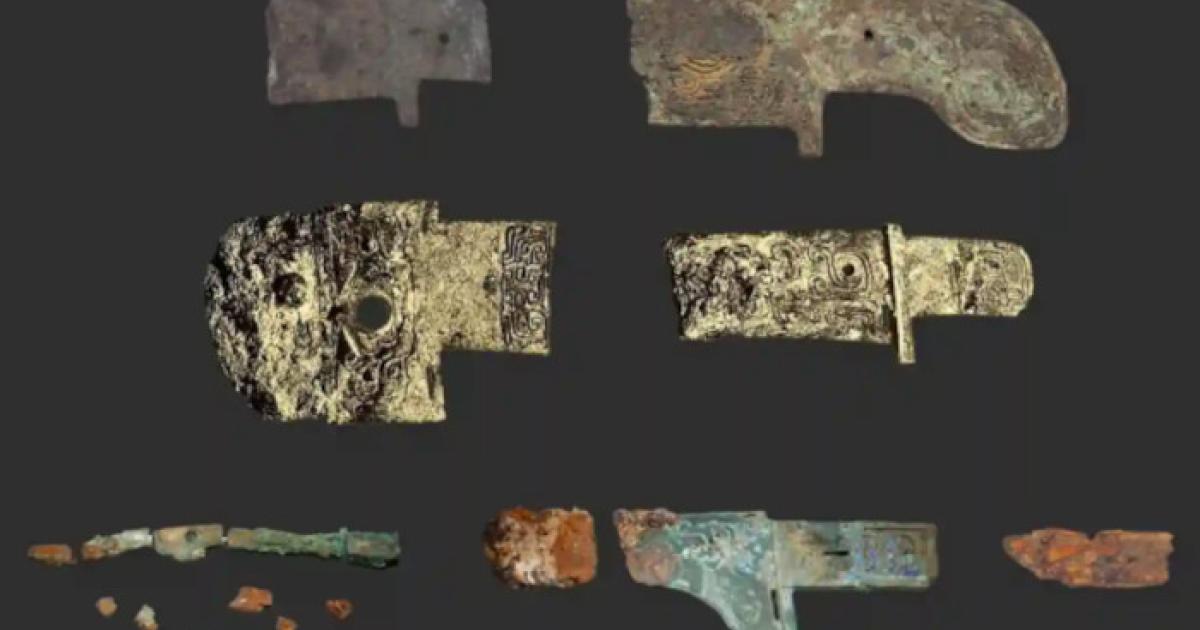
 Archaeologists in China have uncovered an extraordinary Bronze Age artifact made from metal that did not originate on Earth — and the discovery is now challenging long-standing assumptions about ancient metallurgy.
Researchers studying artifacts from the famous Sanxingdui archaeological site in southwestern China confirmed that a mysterious axe-like object dating back roughly 3,000 years was crafted using meteoritic iron, meaning the material originally came from a meteorite that fell from space.
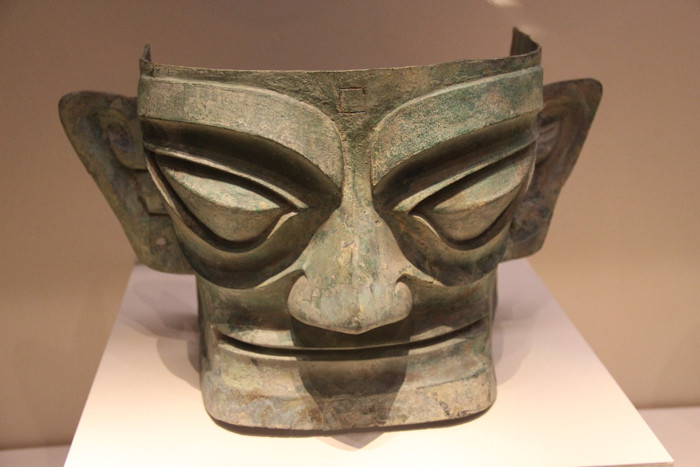
The remarkable object, officially identified as K7QW-TIE-1, was discovered in Pit No. 7 at Sanxingdui, a site already known worldwide for its massive bronze masks, gold relics, and ritual treasures linked to the ancient Shu civilization.
Unlike the elaborate decorative artifacts typically found at the site, this object immediately stood out because of its plain appearance and unusual composition.
 Scientists later conducted laboratory testing and discovered that the artifact contains more than 90% iron along with approximately 7.4% nickel — a chemical signature strongly associated with meteoritic material.
According to researchers, this combination would have been nearly impossible to produce using Bronze Age smelting technology in ancient China.
Further analysis using advanced electron microscopy revealed a highly uniform internal structure and special crystalline formations known as equiaxed ferrite grains. Experts say these patterns only form when metal cools extremely slowly in space over millions of years.
The findings were later published in the journal Archaeological Research in Asia.
Researchers involved in the study described the artifact as one of the earliest confirmed meteoritic iron objects ever discovered in southwestern China.
The discovery is especially important because widespread iron-smelting technology had not yet developed in the region during the Bronze Age. This suggests ancient craftsmen recognized the unique properties of the meteorite and learned how to shape the material without traditional smelting methods.
While the exact purpose of the object remains uncertain, experts believe it may have held both practical and spiritual significance.
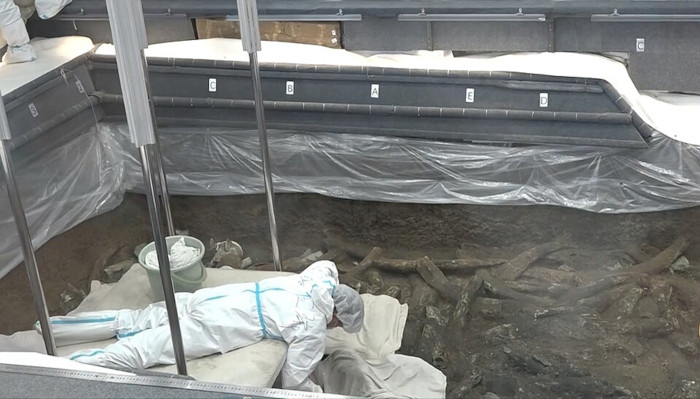 Its hardness means it could potentially have been used as a carving or crafting tool. However, because it was found inside a sacrificial pit surrounded by ceremonial treasures, many archaeologists believe the artifact may also have been viewed as sacred by the ancient Shu people.
Throughout history, materials that fell from the sky were often treated as divine or supernatural across many civilizations.
Researchers also noted that, unlike some other ancient Chinese artifacts that combined meteoritic iron with bronze, the Sanxingdui object was made entirely from iron, suggesting a unique technological tradition in the region.
Due to corrosion accumulated over thousands of years, the artifact is currently being carefully preserved under controlled conditions at the Sanxingdui Museum.
Scientists now hope future studies may help identify the exact meteorite source of the material and determine whether it was discovered locally or traded across ancient networks.
For many experts, the discovery serves as another reminder that ancient civilizations may have possessed far more advanced knowledge and craftsmanship than previously believed.