Phyllis Diller, the iconic comedian known for her wild wigs and infectious laughter, passed away at the age of 95 in her Brentwood home, reportedly with a smile on her face. Yet, as the world mourned a comedic legend, a deeper narrative about her life began to emerge, revealing the struggles and resilience that lay beneath her vibrant exterior.
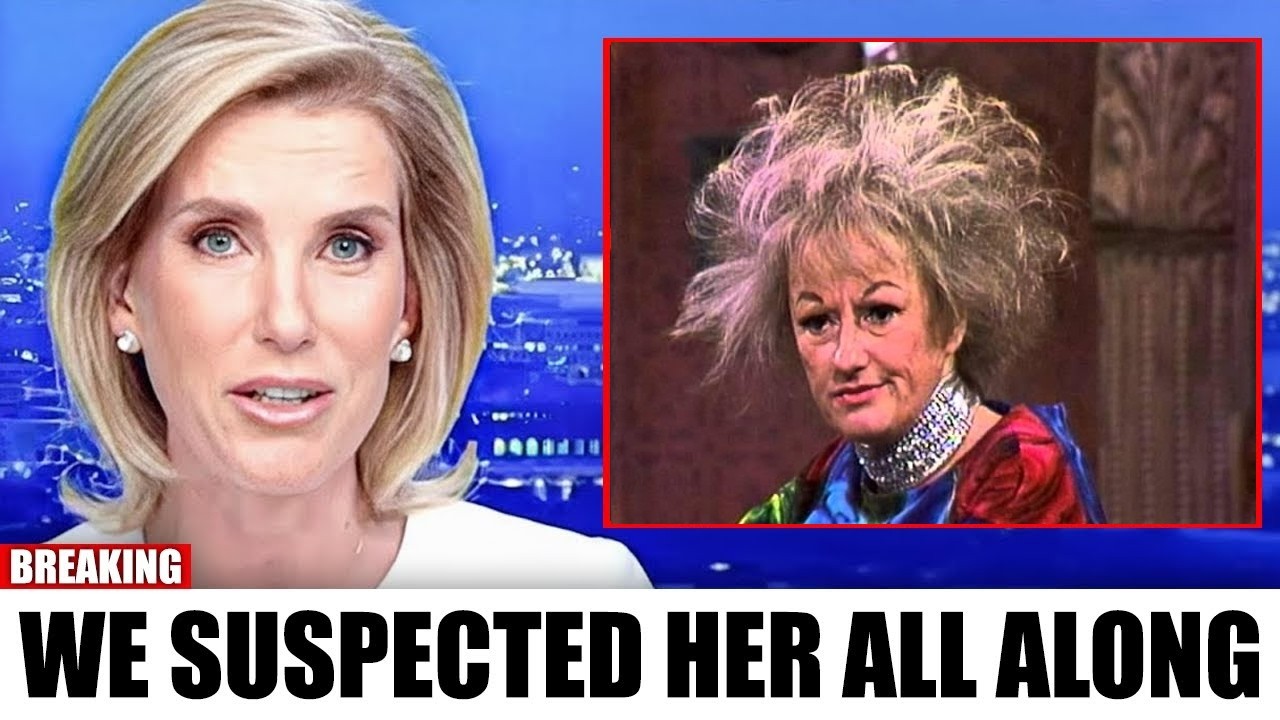 For decades, audiences thought they understood Diller’s persona: the chaotic housewife joking about her fictional husband, Fang, and her supposed domestic failures. However, the truth was far more complex. Diller’s journey to stardom began later than most, stepping onto a professional stage for the first time at 37, while juggling the responsibilities of being a mother to five children and facing financial hardships that few could imagine.
Her first marriage to Sherwood Diller was fraught with instability, and despite his encouragement for her to pursue comedy, the home environment was anything but supportive. At one point, as she began to gain traction at the Purple Onion, her family faced eviction due to unpaid rent. This stark contrast between her on-stage laughter and her off-stage struggles painted a picture of a woman navigating life’s challenges while crafting a comedic career.
Diller’s discipline was evident from the start. Unlike many performers who relied on improvisation, she meticulously wrote and organized her material, creating a vast archive of over 50,000 jokes. This methodical approach to comedy set her apart and laid the groundwork for her eventual success. Her breakthrough came not from a single moment of fame but from a consistent presence in the comedy scene, redefining what it meant to be a female comic in a male-dominated industry.

As Diller’s career blossomed in the late 1950s, she began to appear on national television, including a memorable spot on Groucho Marx’s quiz show, You Bet Your Life. These appearances catapulted her into the public eye, but they also solidified a persona that masked her personal turmoil. The exaggerated costumes and chaotic humor were carefully curated to navigate an industry that often sidelined women.
Despite her success, Diller’s personal life was marked by instability. Her second marriage to actor Ward Donovan quickly unraveled, and her professional partnership with Bob Hope, while fruitful, demanded a level of consistency that kept her tethered to a public image that often overshadowed her true self. The emotional weight of her past struggles lingered, even as she achieved financial success.
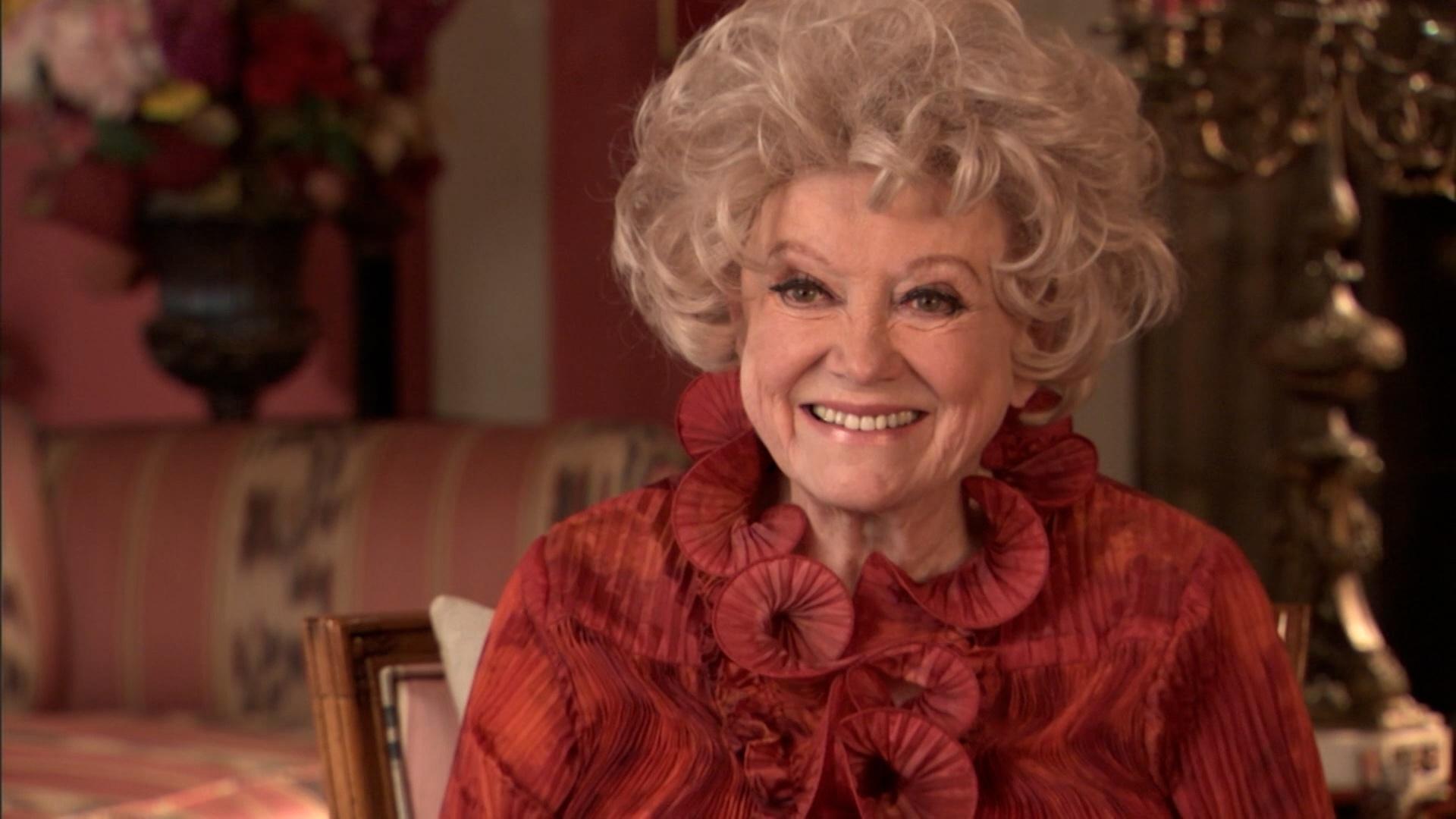 Behind the laughter, Diller faced profound personal challenges, including the loss of two children and the mental health struggles of another. These hardships were rarely acknowledged in her performances, creating a disconnect between her public persona and private reality. As she aged, Diller began to confront these complexities, speaking openly about her experiences and even her multiple plastic surgeries, challenging societal norms about beauty and aging.
In her later years, Diller’s reflections became more candid. Her memoir, Like a Lampshade in a Whorehouse, offered insights into her childhood marked by emotional distance and loss. This introspection revealed a woman whose humor was not just a performance but a response to the adversities she faced throughout her life.
 ‘s relationship with Robert P. Hastings, which lasted over a decade, contrasted sharply with her earlier marriages, showcasing a partnership built on respect and stability. Yet, even as she found personal happiness, health issues began to take their toll, leading her to retire from stand-up comedy in 2002.
When Phyllis Diller passed away, the world celebrated her legacy as a trailblazer for female comedians. However, the revelations that followed her death painted a more nuanced picture of a woman who transformed her pain into laughter. Colleagues and fans began to recognize the depth of her character, emphasizing her kindness and the self-deprecating humor that often targeted herself.
As we reflect on Diller’s remarkable journey, it becomes clear that her comedy was not just entertainment; it was a testament to resilience in the face of adversity. The laughter she generated was intricately woven with the threads of her life experiences, prompting us to reconsider how we view her work and the woman behind the jokes. What new insights do you have about Phyllis Diller now that you know more of her story?