For many years, explorers and researchers have looked for physical traces of Noah’s Ark — the vessel described in the Book of Genesis — on the slopes of Mount Ararat in eastern Turkey. A large, boat‑shaped geological feature known as the Durupınar formation has drawn particular attention because its dimensions roughly match the biblical description of the Ark. Radar scans and ground‑penetrating radar (GPR) surveys have revealed subsurface patterns that some researchers interpret as corridors or layered structures, and soil analysis has shown variations in organic matter and chemistry that groups like Noah’s Ark Scans suggest could be consistent with decayed wood or human construction.

In addition to imaging data, pottery and ceramic fragments dating to the Chalcolithic period (approximately 5500–3000 BC) have been found near the Durupınar site, indicating human activity in the region in ancient times. Professors involved in the work say ceramic evidence supports the idea that people were present in the area during a period that overlaps with traditional estimates for the era of Noah.
Despite these intriguing findings, mainstream archaeologists and geologists stress that the Durupınar formation is widely regarded as a natural geological feature, not a confirmed man‑made vessel. The broader scientific community continues to categorize most Noah’s Ark claims as unproven or part of pseudoarchaeology, because no clear, peer‑reviewed evidence has definitively identified wooden timbers, construction materials, or artifacts conclusively tied to the Ark described in scripture.
The Mount Ararat region has a long tradition of association with the Ark story, partly based on ancient writings and enduring cultural memory, but no excavation to date has yielded universally accepted proof of the Ark’s remains. Some researchers propose using robotic probes and further non‑invasive techniques to explore subsurface anomalies more deeply before any excavation is attempted, aiming to preserve context and avoid damaging potential evidence.
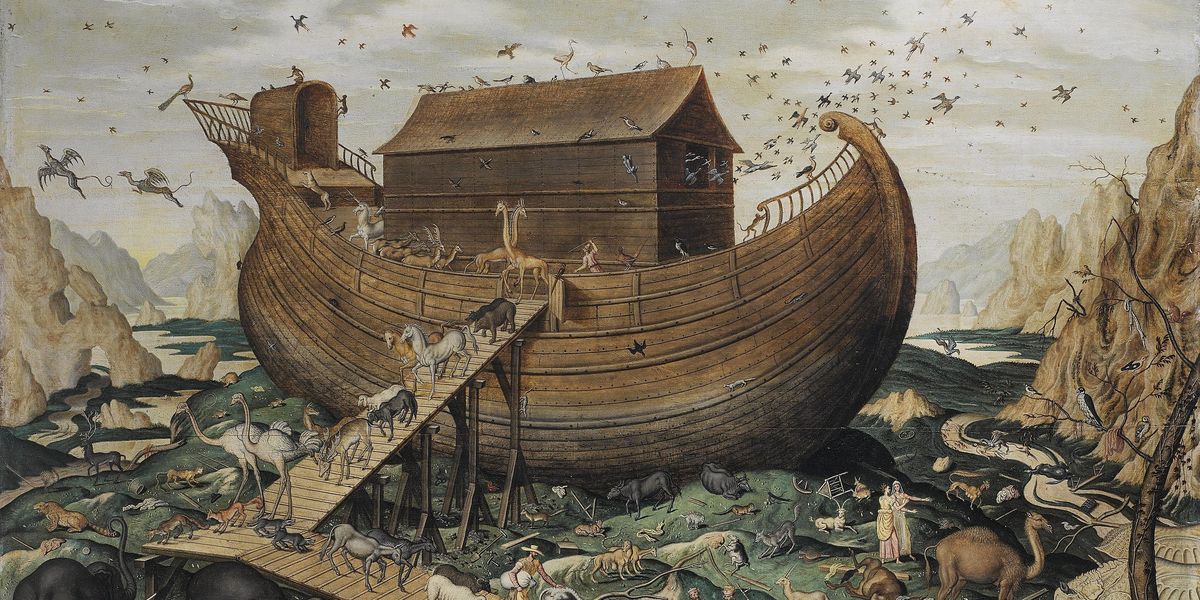
It’s also important to note that geological factors such as tectonic uplift and natural sedimentation have shaped the landscape in eastern Turkey over millions of years, meaning that marine fossils found at high elevations near Ararat can often be explained by long‑term earth processes rather than a single catastrophic flood.
In summary, while radar scans, soil chemistry, and ceramic discoveries have renewed public fascination and sparked debate about a possible Noah’s Ark site in Turkey, no conclusive archaeological discovery has verified the existence of Noah’s Ark. The research remains ongoing, and scientists continue to explore how best to separate ancient tradition and geological phenomena from what can be demonstrated through careful, evidence‑based study.