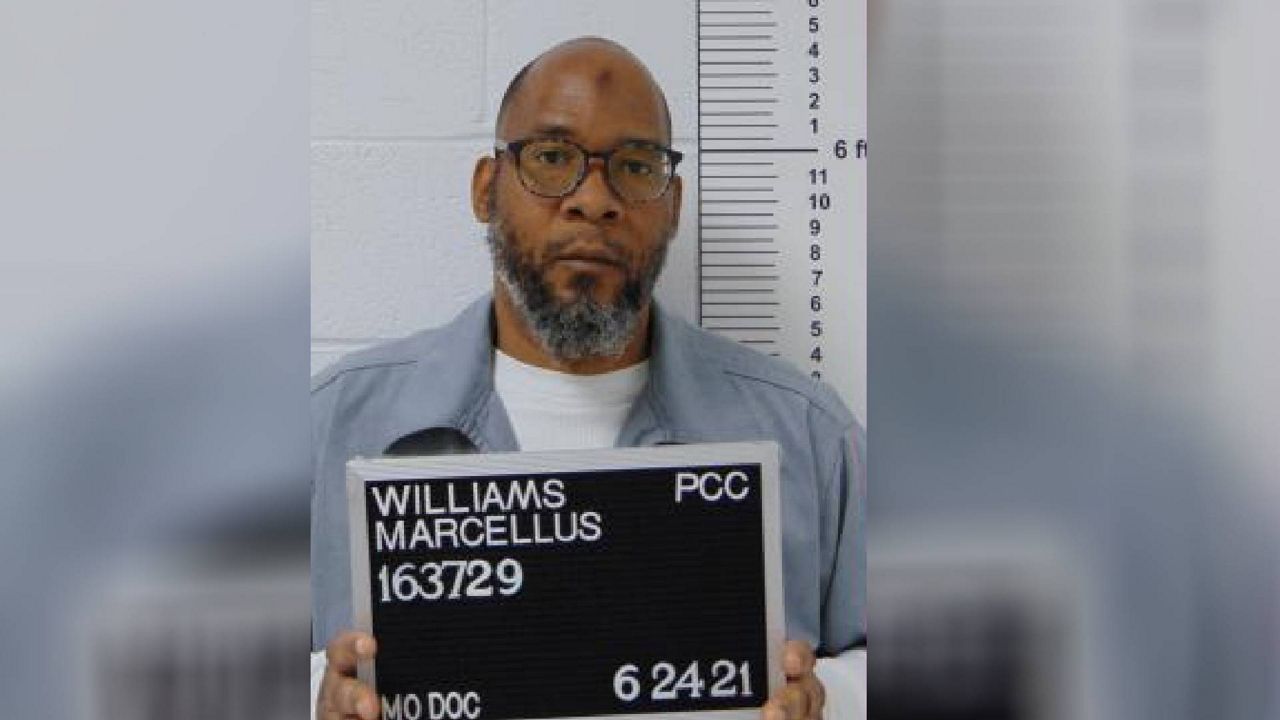
The case began in August 1998 when Felicia Gayle, a former newspaper reporter and social worker, was found murdered inside her home in University City, Missouri. Prosecutors alleged that Williams entered the residence during a burglary and fatally stabbed Gayle before fleeing the scene.
 Investigators later built a case against Williams using witness testimony, statements from individuals who claimed he confessed to the crime, and other evidence presented at trial. A jury ultimately convicted him of first-degree murder and sentenced him to death.
For years, the conviction remained largely intact through the appeals process. However, advances in DNA testing later brought renewed scrutiny to the case. Testing performed on the murder weapon became a focal point of legal challenges after defense attorneys argued that the results did not support the prosecution’s theory of the crime.
Supporters of Williams argued that DNA evidence recovered from the knife did not match him and raised serious questions about whether he should remain under a death sentence. Prosecutors and courts, however, noted that the conviction was based on a broader collection of evidence, including witness testimony and other information presented during trial.
 The controversy intensified when St. Louis County Prosecuting Attorney Wesley Bell sought to overturn the conviction and requested judicial review of the case. Bell argued that significant concerns existed regarding the reliability of the conviction and whether the execution should proceed. The effort attracted national attention and renewed calls for clemency.
In the final weeks before the execution, legal proceedings accelerated. Attorneys pursued multiple avenues to stop the execution, including efforts involving state courts, the Missouri Supreme Court, and the United States Supreme Court. Discussions also emerged regarding potential agreements that could have resulted in a sentence of life imprisonment without parole instead of execution.
 Despite those efforts, courts ultimately declined to halt the execution. Missouri officials proceeded with the sentence on September 24, 2024, after final legal challenges failed.
The execution immediately sparked debate across the country. Supporters of the sentence argued that multiple courts had reviewed the conviction and concluded that sufficient evidence supported the verdict. Critics contended that unresolved questions involving DNA evidence and the prosecutor’s position should have prevented the execution from moving forward.
Today, the Marcellus Williams case remains one of the most discussed modern death penalty cases in the United States. Beyond the crime itself, the case has become part of a larger conversation about forensic evidence, wrongful conviction concerns, prosecutorial discretion, executive clemency, and the standards that should apply when questions arise in capital cases.
More than twenty-five years after Felicia Gayle’s death, the case continues to raise difficult questions about certainty, fairness, and whether the justice system should proceed with an execution when significant controversy remains.