Hip-Hop’s Generational Divide Sparks Debate as Young Rappers Continue Challenging Rap Veterans
Few genres celebrate competition quite like hip-hop.
From its earliest days, rap music has been built on rivalries, debates, lyrical battles, and constant challenges to the status quo. Every generation of artists has attempted to carve out its own space, often by questioning the relevance of the generation that came before it.
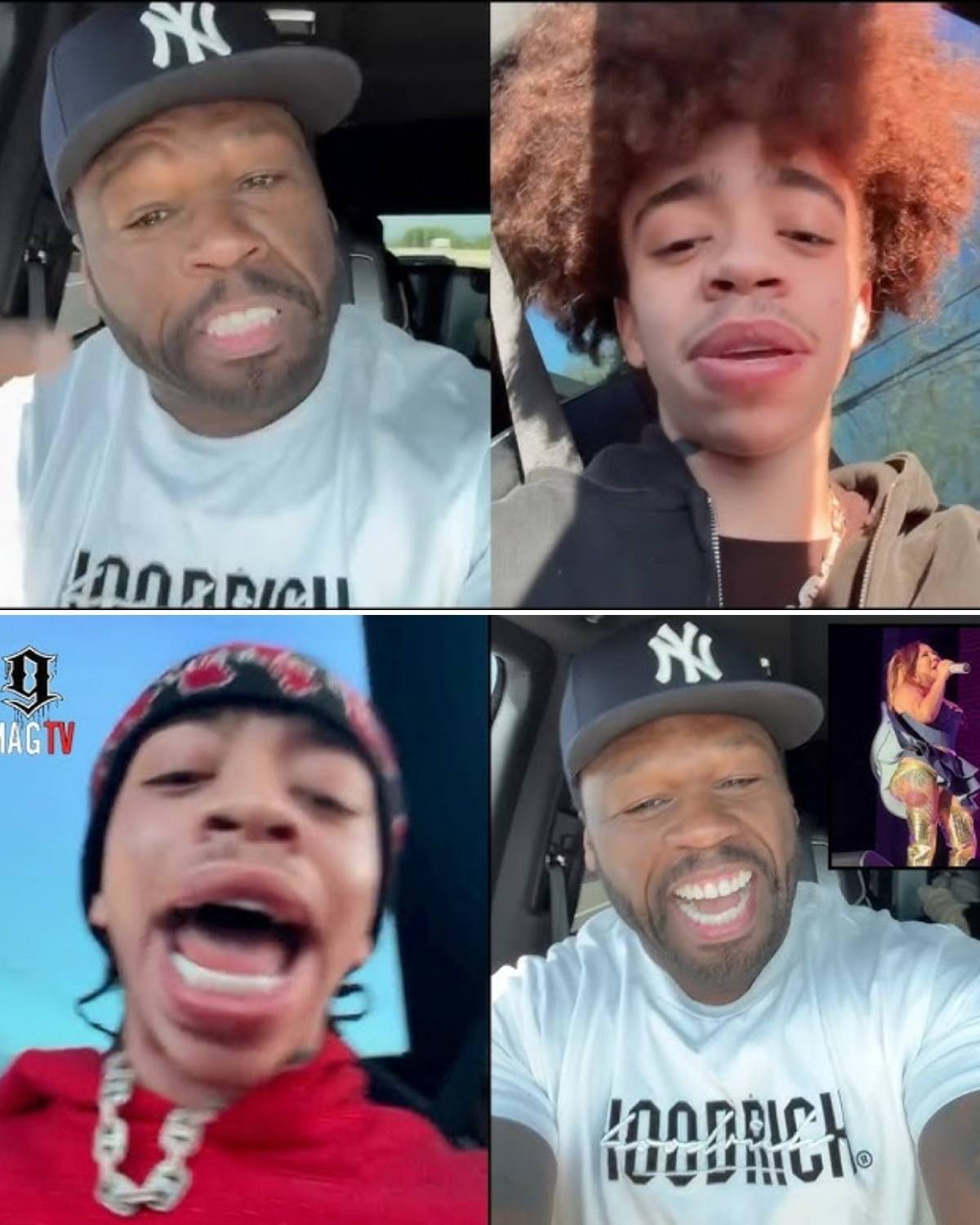
Now, a new wave of discussion is sweeping through social media as fans debate whether the growing tension between younger rappers and established legends has reached a breaking point.
Recent online conversations have highlighted multiple instances where younger artists have publicly criticized, challenged, or dismissed veteran rappers whose influence helped shape modern hip-hop.
For some fans, these moments represent the natural evolution of the culture.
For others, they signal a troubling lack of respect for the artists who built the foundation of the genre.
The debate has reignited questions that hip-hop has wrestled with for decades: How should younger artists honor the pioneers who came before them? And at what point does healthy competition become outright disrespect?
A Tradition as Old as Hip-Hop
Generational conflict is nothing new in rap music.
Throughout hip-hop history, younger artists have often challenged established stars in an effort to prove themselves.
In the 1980s and 1990s, emerging rappers regularly targeted more established acts through battle records and competitive lyrics.
The trend continued through every era of the genre.
Artists such as Jay-Z, Nas, 50 Cent, Lil Wayne, and many others spent portions of their careers defending their status against newer challengers.
Competition became part of hip-hop’s DNA.
Many fans argue that challenging legends is not only acceptable but necessary.
According to that perspective, hip-hop rewards confidence, ambition, and fearlessness.
Young artists are expected to believe they are the best.
Without that mindset, many argue, rap would lose one of its defining characteristics.
Social Media Changes Everything
What has changed dramatically is the speed at which conflicts now spread.
In previous decades, disagreements were often expressed through songs, interviews, or public appearances.
Today, a single social media post can generate millions of views within hours.
Comments that once might have remained relatively unnoticed now become viral headlines.
This environment has amplified generational disagreements.
Fans often discover conflicts before artists have an opportunity to explain their intentions.
As a result, misunderstandings can quickly evolve into major controversies.
The constant attention generated by social media also creates incentives for increasingly provocative statements.
Many observers believe this has contributed to the growing visibility of generational tensions within hip-hop.

The Debate Over Respect
At the center of the discussion is a simple question: What does respect look like in hip-hop?
Some veteran artists believe younger rappers should openly acknowledge the pioneers whose work helped create opportunities for future generations.
These artists often point to the sacrifices made by earlier performers who helped transform hip-hop from a regional movement into a global industry.
Others argue that respect does not require agreement or submission.
Many younger artists believe they should be free to critique, challenge, or even outperform their predecessors without being accused of disrespect.
To them, competition is itself a form of respect.
The disagreement reflects broader cultural conversations about age, influence, and authority.
Similar debates occur in sports, business, entertainment, and politics.
Hip-hop simply expresses those tensions more publicly than most industries.
Why Legends Still Matter
Despite ongoing debates, few would dispute the influence of hip-hop’s most celebrated veterans.
Artists such as Nas, Lil Wayne, Jay-Z, Snoop Dogg, Ice Cube, LL Cool J, and many others continue to shape the culture decades after their debuts.
Their impact extends beyond music.
Many have become entrepreneurs, executives, mentors, and cultural ambassadors.
Their careers provide roadmaps for younger artists seeking longevity in an industry known for rapid change.
Even when younger rappers criticize veteran artists, those criticisms often acknowledge the importance of their influence.
The fact that certain names remain central to hip-hop conversations years or even decades after their peak commercial success speaks to their lasting significance.
Younger Artists Want Their Own Legacy
At the same time, emerging artists face pressures that previous generations did not.
The modern music industry moves at extraordinary speed.
Streaming platforms, viral trends, and social media algorithms create constant pressure to capture attention.
Many younger rappers believe they must establish strong individual identities in order to survive.
That often means rejecting comparisons to older artists.
It may also involve challenging established narratives about who deserves recognition and influence.
From their perspective, building a legacy requires creating something distinct rather than simply following existing templates.
As a result, generational disagreements may be less about disrespect and more about self-definition.
50 Cent Remains a Master of Online Conflict
No discussion about rap feuds would be complete without mentioning 50 Cent.
Throughout his career, 50 has demonstrated a unique ability to dominate online conversations.
Whether addressing rivals, commenting on industry news, or engaging in social media disputes, he frequently becomes a central figure in hip-hop debates.
His posts often generate extensive discussion among fans and media outlets.
Supporters view his approach as entertaining and authentic.
Critics argue that it sometimes escalates conflicts unnecessarily.
Regardless of perspective, few artists have influenced online hip-hop culture more effectively.
His continued presence demonstrates how veteran artists remain deeply involved in shaping modern rap conversations.
The Future of the Genre
As hip-hop continues evolving, generational tension is likely to remain part of the culture.
Every era produces new stars eager to prove themselves and established legends determined to protect their legacies.
That dynamic has helped drive creativity for decades.
Many of the genre’s greatest moments emerged from competition.
The challenge moving forward may be finding a balance between honoring the past and embracing the future.
Hip-hop thrives when multiple generations contribute to the conversation.
Veterans provide experience, perspective, and historical context.
Younger artists bring innovation, energy, and new ideas.
Together, those forces help ensure the genre remains vibrant and relevant.

A Debate That Isn’t Ending Anytime Soon
The latest online discussions surrounding younger rappers and veteran artists ultimately reflect a larger truth about hip-hop.
The culture has always been competitive.
It has always celebrated confidence.
And it has always rewarded artists willing to challenge expectations.
Whether fans side with the legends or the newcomers, one thing remains certain: generational debates are not a sign of hip-hop’s decline.
If anything, they demonstrate that the culture remains passionate, engaged, and deeply invested in its future.
As long as rap continues producing new stars while honoring iconic pioneers, the conversation—and the competition—will continue.